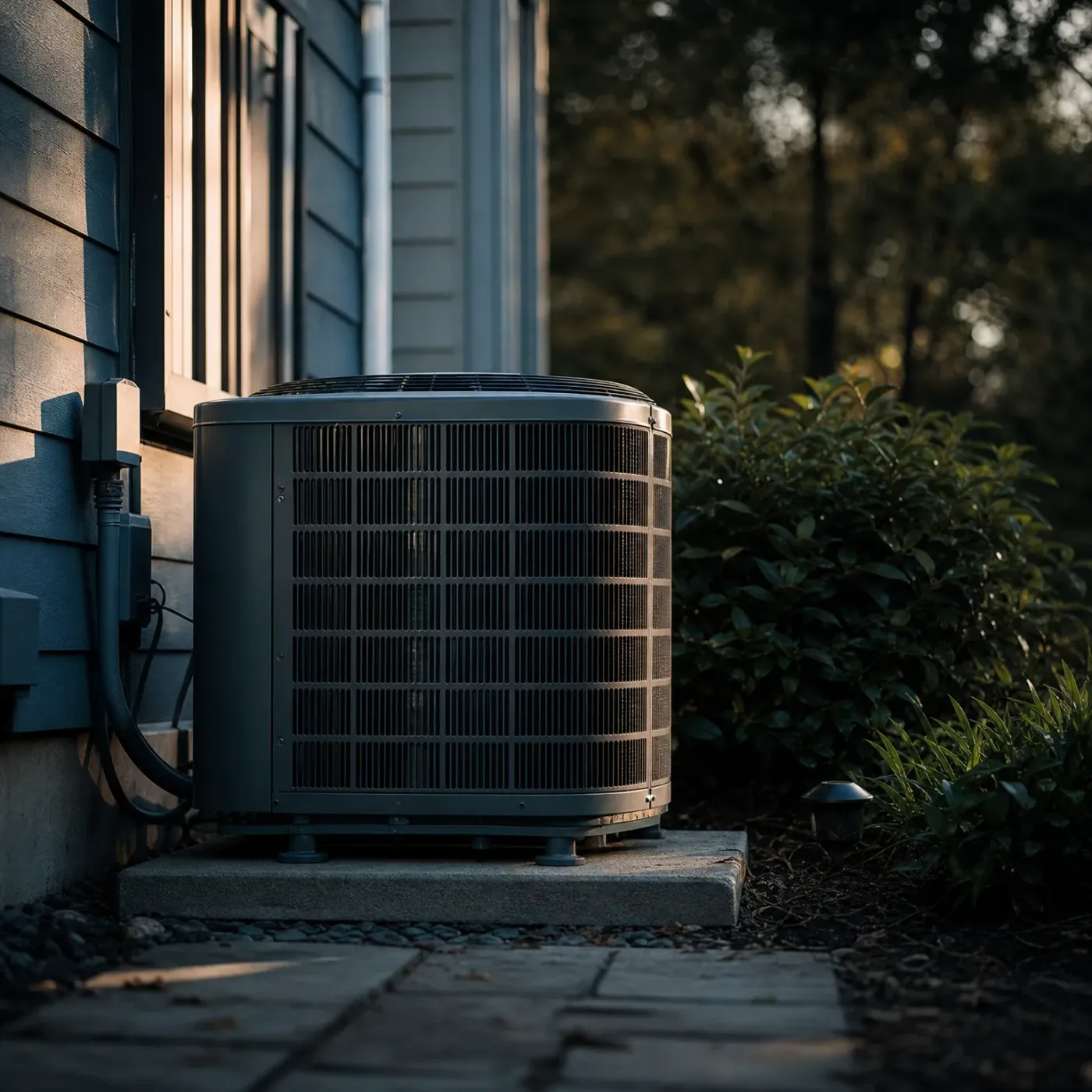
An outdoor air conditioning condenser unit on a concrete pad beside a house with horizontal siding, with an electrical disconnect box on the wall and shrubs to the right in low evening light.

A local pro for your air conditioner installation

Do you need a dehumidifier with AC in Washington

Washington air doesn't carry the thick humidity you'd get further south, so your AC isn't fighting the same battle. This page looks at whether a dehumidifier actually adds anything here, or whether your system already handles the moisture it needs to. If you want a straight answer for your house, a local contractor can look at what you've got and tell you.

Get matched

Most homes in Washington don't need a dehumidifier running alongside the AC. Your air conditioner already pulls moisture out of the air as it cools, and because Washington summers run dry to begin with, there isn't much humidity left over for a dehumidifier to catch. A dehumidifier earns its place in a home when the air stays damp enough that the AC can't keep up on its own, the kind of mugginess that leaves things feeling sticky even with the system running. That's not the normal summer here. If a room in your house holds onto moisture even when the rest of the place feels fine, like a basement or a bathroom with poor airflow, that's a local problem worth looking at on its own, not a reason to add whole-house dehumidification.

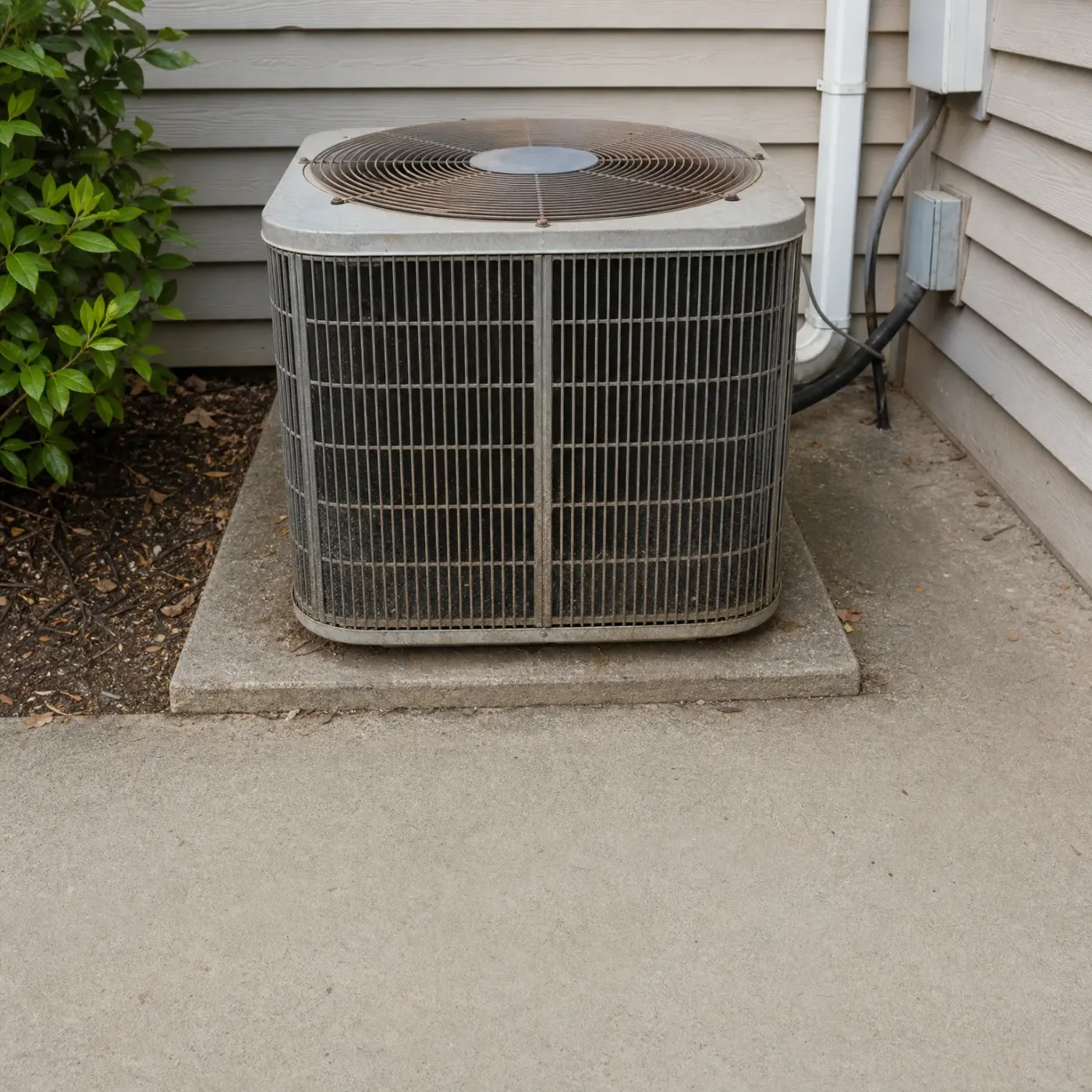
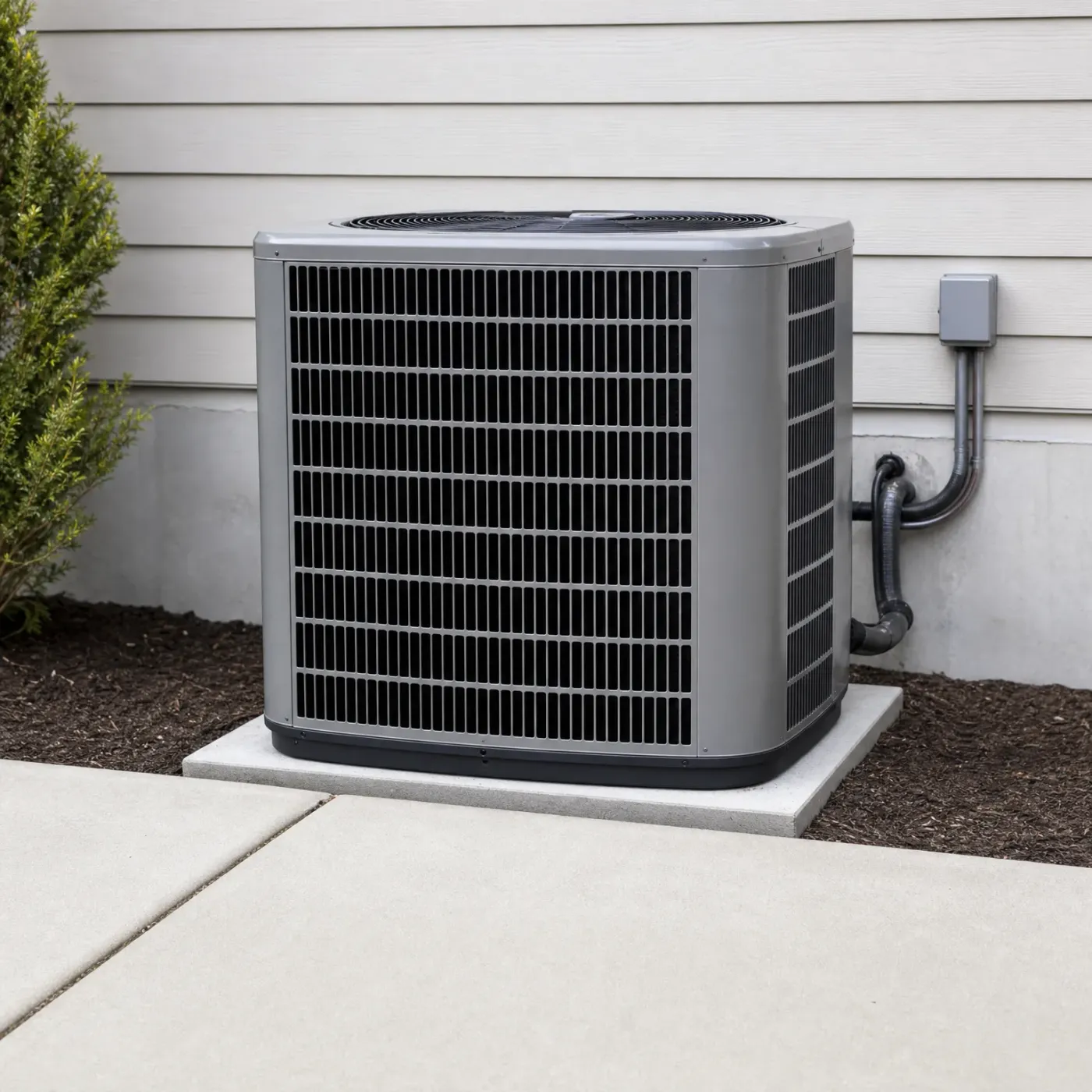
A gray outdoor air conditioner condenser unit sits on a concrete pad beside a house with horizontal lap siding, with conduit and an electrical disconnect box on the wall, dark mulch and a shrub to the left, and a concrete walkway in the foreground.
Your AC is sized for Washington air and keeps up on its own most days.
An outdoor air conditioning condenser unit on a concrete pad beside a house with horizontal lap siding, with a shrub and mulch bed to the left and conduit and a small electrical box on the wall to the right.
Dirt and age cut into that capacity, and that's when extra moisture starts to linger.

Cooling and drying happen at the same time inside your AC, but they're not the same job. Air passes over a cold evaporator coil, and the coil chills it enough that moisture in the air condenses on the metal, the same way a cold glass sweats on a warm day. That water runs down into a pan and out through a condensate line, which is exactly how a standalone dehumidifier gets rid of what it collects. Your AC is already built to do this.

What changes the outcome is airflow and run time. A filter clogged with dust or a coil caked with grime slows the air moving across it, so less of it ever touches the cold metal. A system that's too big for the space cools the room fast, then shuts off before it's run long enough to wring out much water. One sized right for your home runs longer, slower cycles, and pulls more moisture out per hour because of it. Low refrigerant does the opposite, since it leaves the coil too warm to condense much of anything.

How Your AC Pulls Out Moisture

  • Your AC lowers humidity as a side effect of cooling, not as its main job, because the cold evaporator coil condenses moisture out of the air passing over it.
  • That condensed moisture drips into a pan and leaves through a condensate line, which is the same path a standalone dehumidifier uses to remove water.
  • A dirty air filter or a coil caked with dust slows airflow across that coil, so less air contacts it and less moisture gets pulled out per cycle.
  • An oversized system cools the air fast and shuts off before it has run long enough to wring out much humidity, leaving the room feeling cool but damp.
  • A correctly sized system set to run longer, slower cycles pulls more moisture per hour than one that blasts cold air and shuts off quickly.
  • Low refrigerant charge raises the coil's temperature closer to the air temperature, which cuts into how much water vapor condenses as air passes through.
A woman with dark hair in a bun wearing a cream knit sweater sits on a gray sofa in a bright living room, looking off to the side.
A woman wrapped in a knit blanket sits on a gray sofa in a living room, looking toward a bright window with houseplants and an armchair in the background.
A woman in a gray cowl-neck sweater sits on a light sofa with cushions, smiling and looking to the side, with a kitchen and window visible behind her.
A woman with dark hair in a bun, wearing a light linen shirt, sits on a sofa and looks to the side, with a window, houseplants and a kitchen with pendant lights blurred behind her.

Get the right pro for your air conditioner

If your AC is keeping up fine on its own, the question is really just whether something's changed. A system that used to handle a muggy stretch in July and now leaves the air feeling damp is usually telling you about dirt on the coil or a charge that's dropped, not about Washington's air changing on you. Figuring out which one it is means getting someone out to look at the unit, and that's the part that eats your afternoon: finding a contractor, explaining the system, waiting on a callback, doing it again with the next one if the quote feels off. Submitting this gets that off your plate. A contractor who installs and services AC systems in your area gets your request and reaches out to you directly, so you're explaining your situation once instead of five times. If the moisture turns out to be a real pattern and not just a dirty filter, you'll want someone who's already looked at your setup to tell you that.

When a dehumidifier earns its place

A basement or crawlspace that stays damp even when the AC is running is a different problem than the air upstairs. Those spaces don't always get much airflow from your ducts, so the coil never gets a chance to pull moisture out of them. A standalone dehumidifier in that one room can make sense even though the rest of the house is fine. That's a room-by-room call, not a sign your AC needs help keeping up with Washington summers overall.

What a dehumidifier won't fix

If a room feels sticky because it runs warm, more cooling solves that, not more moisture removal. A dehumidifier pulls water out of the air; it doesn't move air or lower the temperature. Running one in a room that's just poorly cooled adds a machine and a bill without touching the actual problem. Before adding a dehumidifier anywhere in the house, it's worth knowing whether the complaint is really about dampness or about a room the AC doesn't reach well.

Power costs 13.17 cents per kilowatt-hour statewide

At 13.17 cents a kilowatt-hour, running your AC longer than it needs to costs you real money every month. A dehumidifier is another appliance drawing power on top of that. If your AC already keeps the air comfortable, adding one just raises your bill without making the house feel any better.

EIA-861 2025 statewide residential average

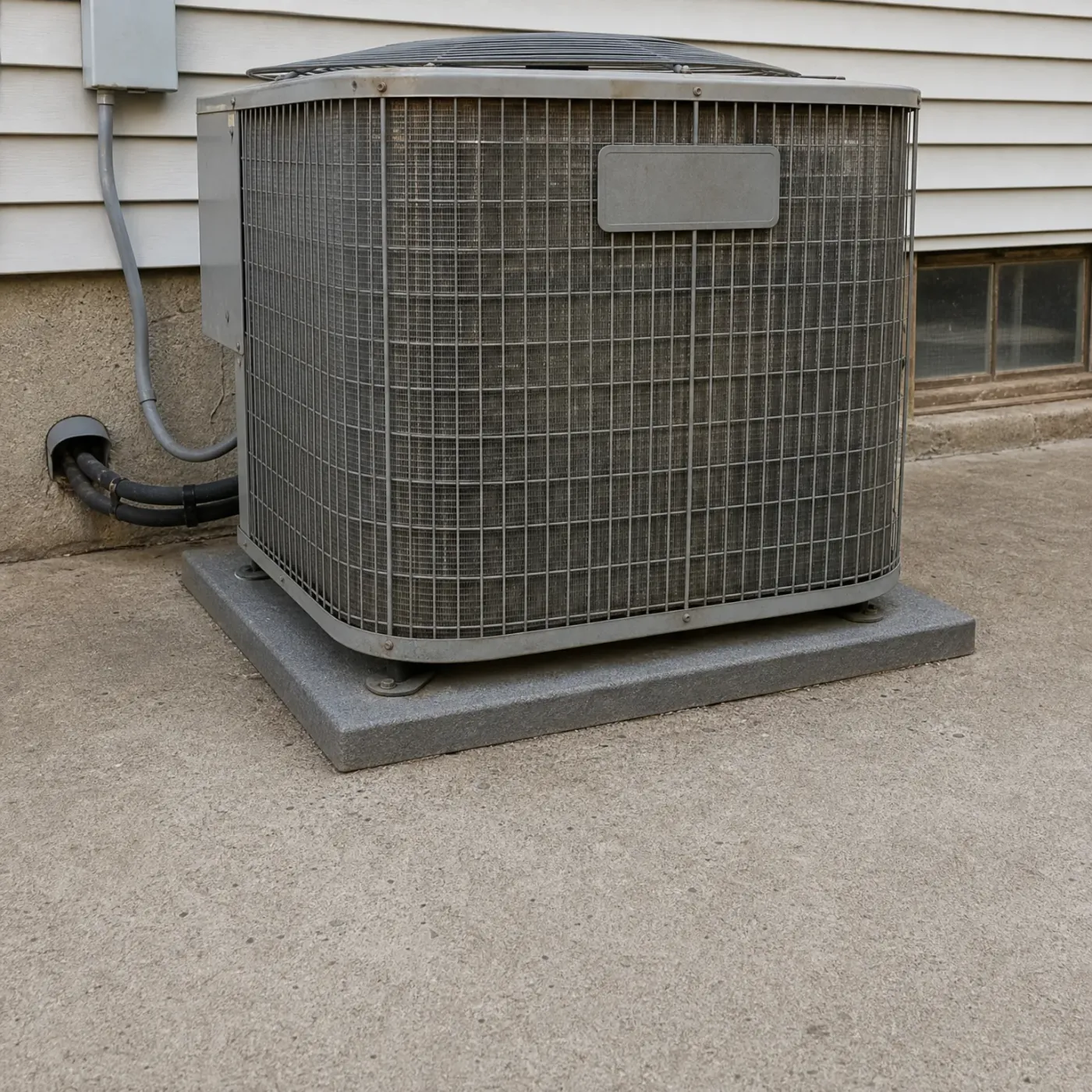
An outdoor air conditioner condenser unit on a gray composite pad beside a house with horizontal siding, a concrete foundation, a basement window, and a conduit and disconnect box on the wall.
Before you get your air conditioner installation
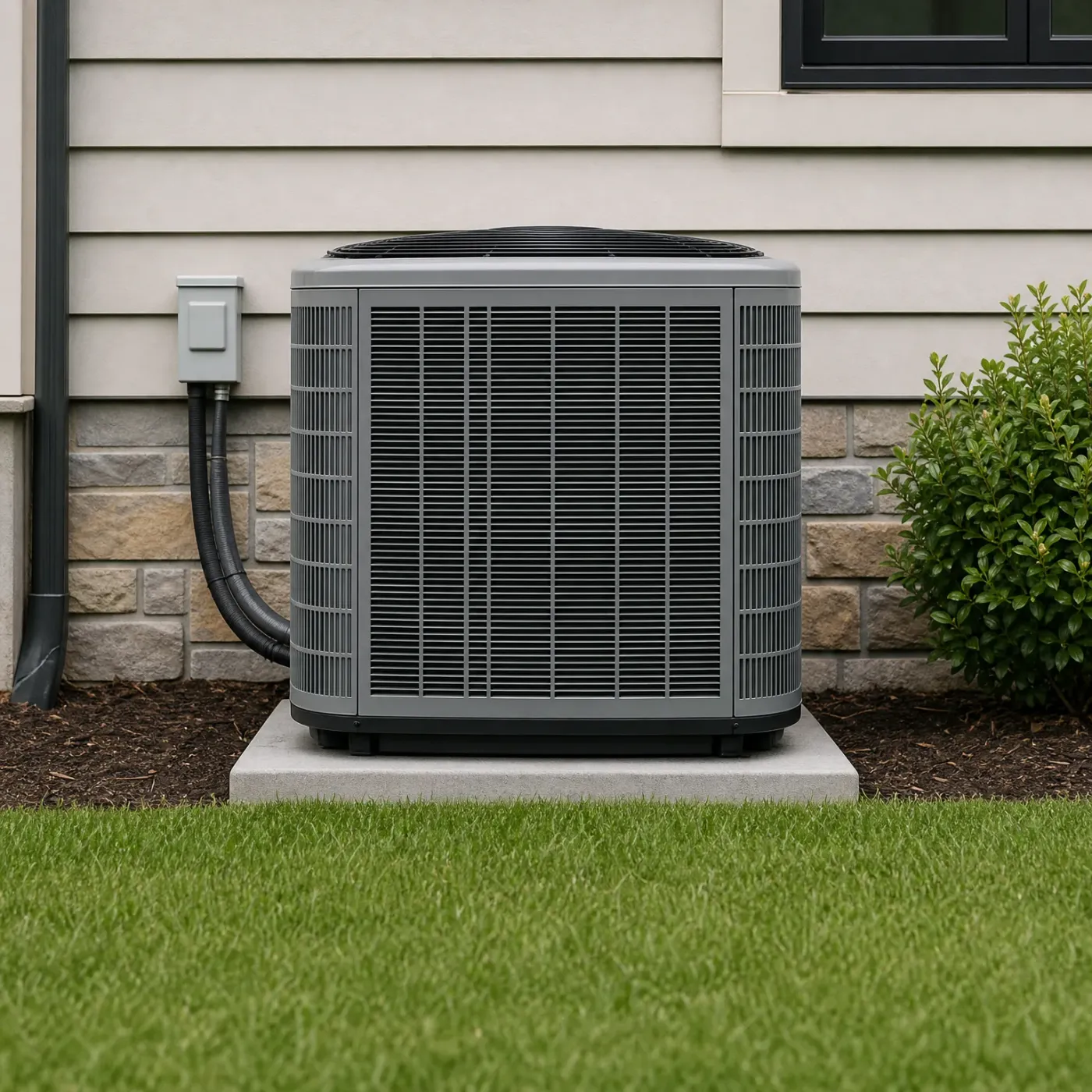
A gray outdoor air conditioning condenser unit on a concrete pad beside a house with horizontal lap siding and a stone veneer base, with a disconnect box and conduit on the wall, mulch bed and shrub to the right, and mowed grass in the foreground.
After you get your air conditioner installation
  1. Warm air passes over the cold evaporator coil inside your AC.

  2. Moisture in that air condenses on the coil as the air cools.

  3. Condensed water drips into a pan below the coil.

  4. The condensate line carries that water out of the house.

A smiling older woman with gray hair in a cream knit sweater stands in a dimly lit kitchen beside a window showing snow outside, with a round loaf of bread on the counter in the foreground.
A woman with her hair in a bun holds a sleeping young child against her chest, both wrapped in a textured beige knit blanket on a sofa in a dimly lit room with a lamp, framed picture, and bookshelf behind them.

Where that leaves you

  • Washington's dry summers mean your AC's coil already pulls out the moisture that's there, with little left for a dehumidifier to catch.
  • A damp basement or crawlspace is usually a ductwork or airflow problem, not a sign your whole house needs a dehumidifier.
  • A system that's started leaving the air feeling damp is more often telling you about a dirty coil or low charge than a missing dehumidifier.
  • Running a dehumidifier you don't need adds to your power bill at 13.17 cents a kilowatt-hour without fixing anything your AC couldn't already handle.
  • Instead of searching out separate contractors for a diagnosis and a possible installation, you can get matched with one who looks at what your system actually needs.
  • That skips calling around, explaining the same damp room or high bill more than once, and sorting through quotes on your own.

For most homes in Washington, the AC you already have is doing the job a dehumidifier would do. The coil pulls moisture out as it cools the air, and because the air here doesn't carry much moisture to begin with, there's little left over for a second machine to catch. If a room stays damp while the rest of the house feels fine, that's usually a basement or crawlspace not getting enough airflow through the ducts, not a sign the whole house needs a dehumidifier. If the air has started feeling damp when it didn't before, that's more often a dirty coil or a system low on refrigerant than a gap your AC can't fill on its own. Either way, adding a dehumidifier on top of a system that just needs a look at the coil or the charge means paying to run two machines when one, working right, would do.

What changes when you convert isn't the diagnosis itself. It's not having to find someone to do it. Instead of searching for a contractor, calling a few, explaining the damp room or the high bill each time, and sorting through quotes to see who actually knows what they're looking at, you get matched with one contractor who looks at your system and tells you what it needs. They reach out to you from there.
An outdoor air conditioner condenser unit sits on a concrete pad beside a house with horizontal lap siding, with a refrigerant line, electrical disconnect box, a concrete driveway and dark trees in the background.

A pro who works on air conditioners

Skip the round of in-home estimates for a new air conditioner.

Step 1 of 3: Equipment