Profile view of a bearded man wearing a black baseball cap and a dark gray T-shirt against a plain light background.

How long an AC should run on a hot Washington day

Step 1 of 3: Equipment

On a hot day in Washington, your AC should run for long stretches, sometimes close to the whole afternoon, cycling off only briefly once the house cools to the setpoint. That's normal here. Summers in Washington run warm but not muggy, so the system isn't fighting heavy moisture the way it would further south, and it doesn't have to work as hard to pull humidity out of the air along with the heat. If yours is shutting off after a few minutes and starting right back up, that short cycling usually points to a problem, maybe a thermostat that's misreading the room, a dirty filter choking airflow, or a unit that's oversized for the space. Short runs that repeat all afternoon wear out the compressor faster than one long steady run would. If your system runs long but the house still doesn't feel cool, or it's cycling on and off every few minutes, that's worth a look before the next heat wave.

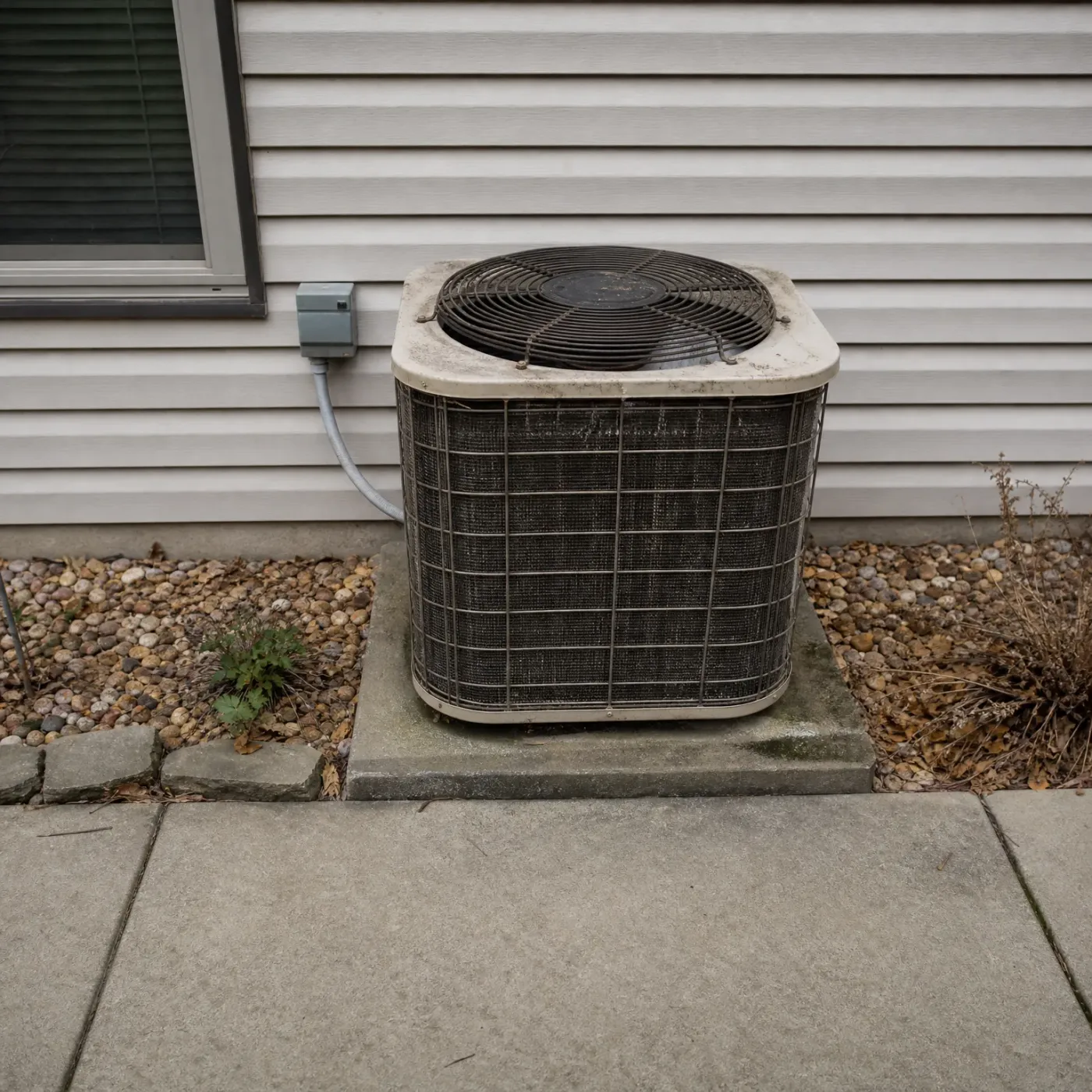
An outdoor air conditioner condenser unit on a concrete pad beside a house with light gray vinyl siding, with a gray electrical disconnect box and conduit on the wall, gravel beds and dried plants nearby, and a concrete sidewalk in the foreground.
Before you get your air conditioner maintenance
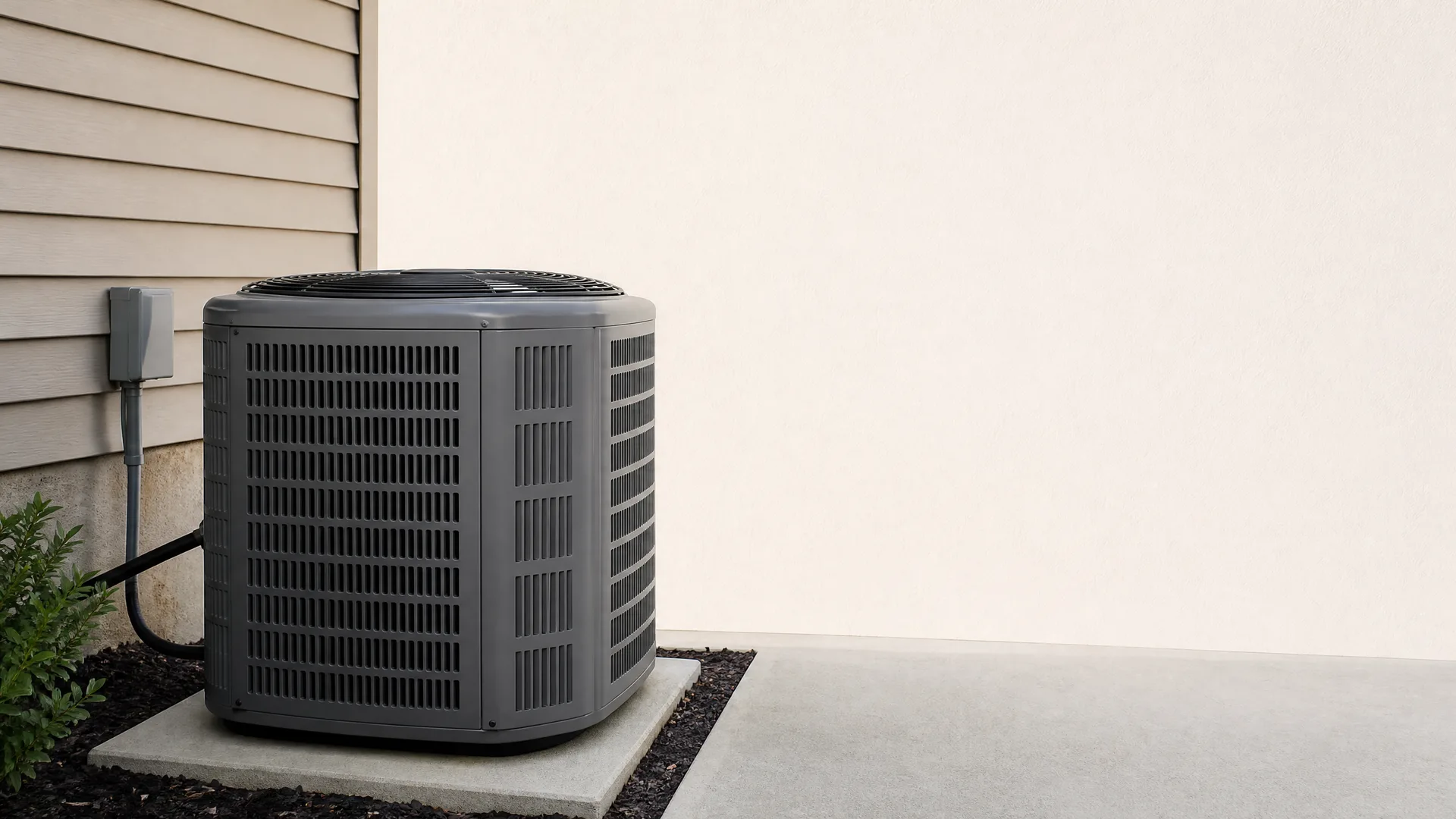
A gray outdoor air conditioning condenser unit on a concrete pad beside a house with horizontal siding and a stone veneer base, with a wall-mounted disconnect box and conduit, next to a shrub bed and a concrete patio.
After you get your air conditioner maintenance

Does your AC ever seem to stop cycling at all

If the system runs from noon until well past dinner without ever shutting off, even on a day that isn't extreme, that's different from a long run. You might notice the house still isn't quite as cool as you set it, or the air coming out of the vents feels less cold than it used to. Some rooms stay warmer than others. The outdoor unit runs on and on without that pause you'd expect once the house catches up. Left alone, a system that can't ever satisfy the thermostat is working harder for the same result, and the parts that do the work are the ones wearing down while you wait for a break that doesn't come.

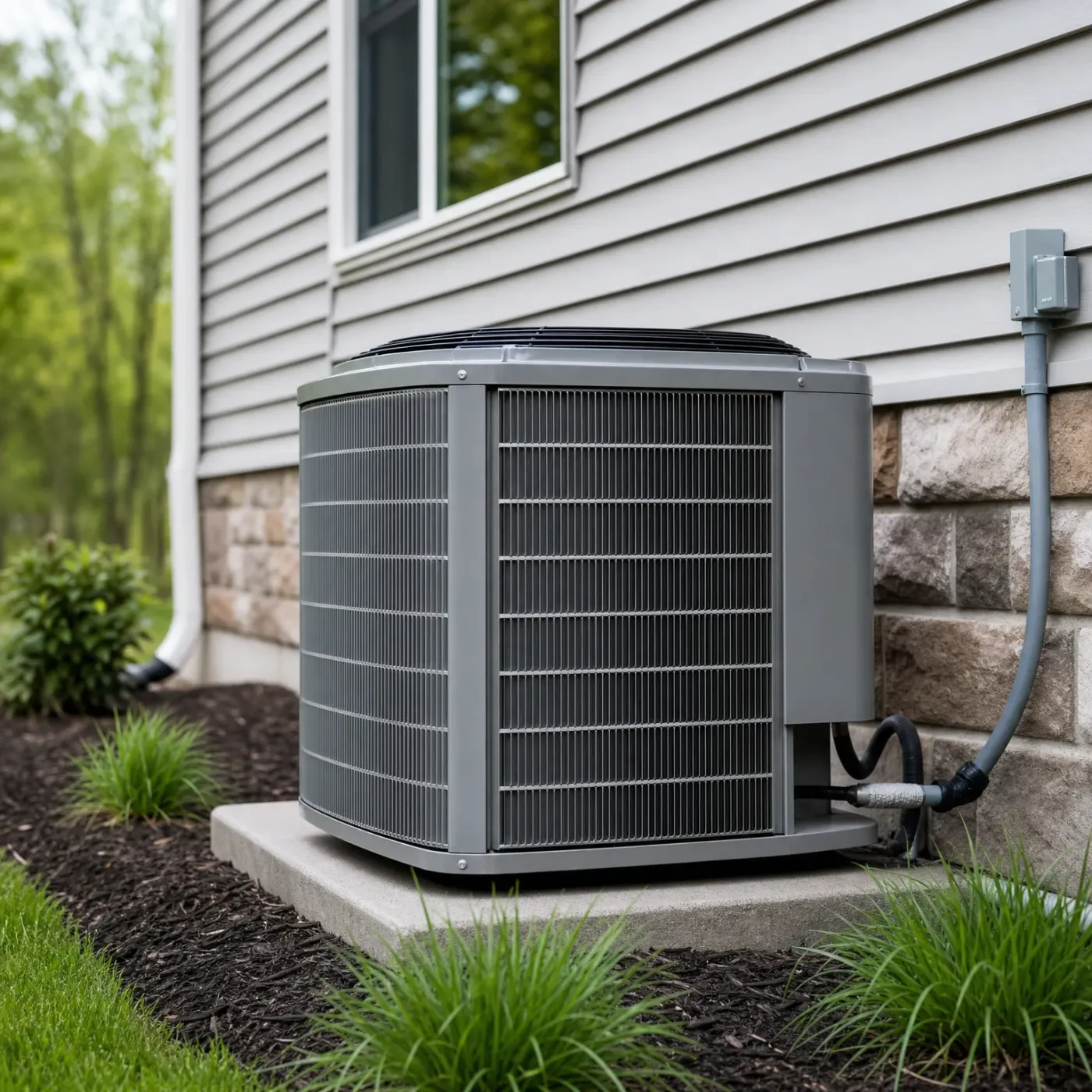
A gray outdoor air conditioning condenser unit on a concrete pad beside a house with horizontal lap siding, with a conduit and electrical disconnect box on the wall and a green shrub in mulch to the right.

Running long and cooling fine

A clean unit like this one cycles long on a hot afternoon and still brings the house down to your setpoint. It shuts off for a while, then comes back on when the house warms a few degrees. That pattern can run all summer without trouble.
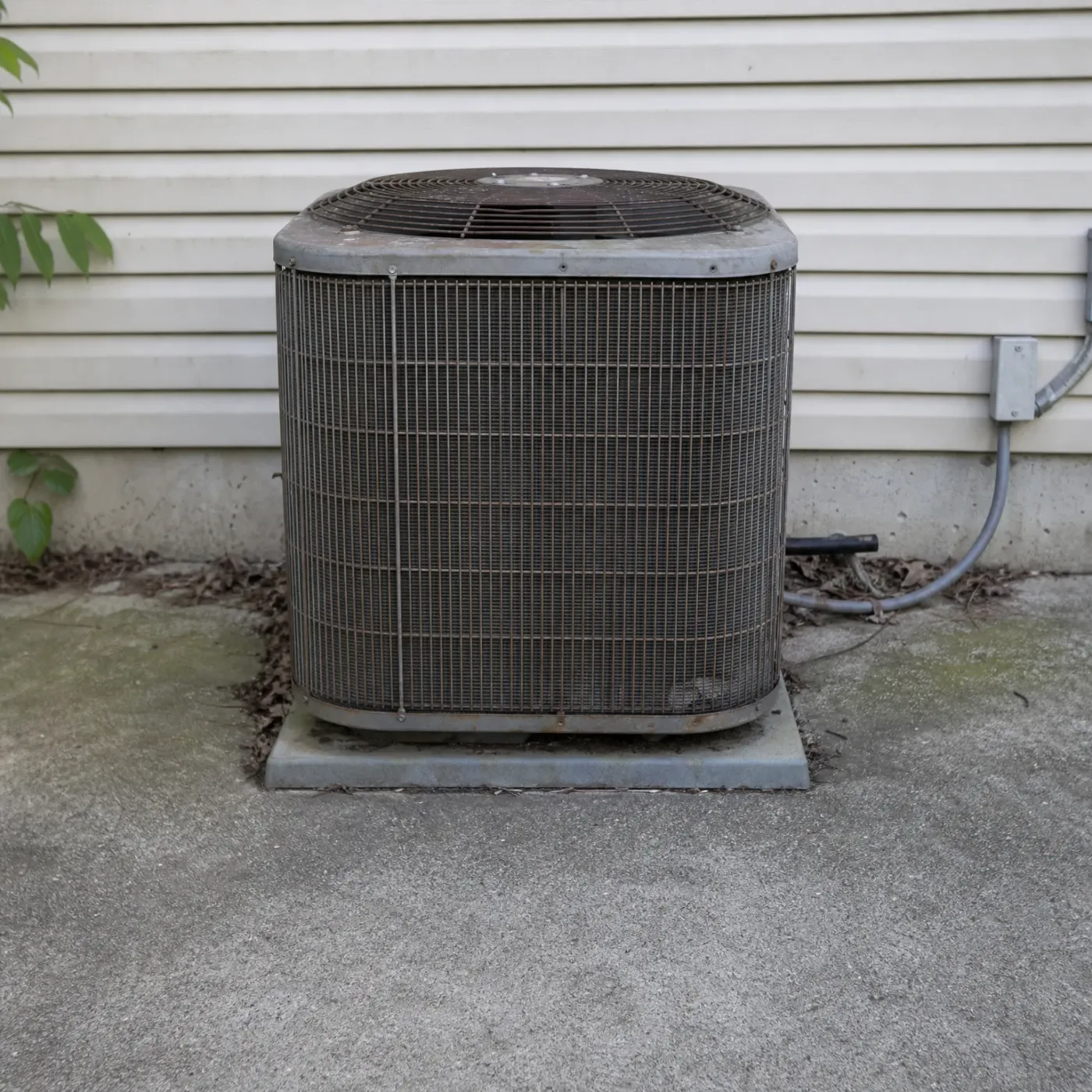

A weathered outdoor air conditioner condenser unit on a concrete pad beside a house with horizontal vinyl siding, with a conduit and disconnect box on the wall to the right.

Running long and falling behind

Dirt packed into the grille and leaves piled at the base block airflow the unit needs to shed heat. It runs the same long stretches but the house never quite reaches the setpoint. Left alone, a coil working this hard tends to wear out the parts around it faster.

Long Runtime: Normal or Trouble

Running long, worth a look

  • A dirty coil or a weak capacitor can make the system run long on a day that isn't even that hot, not just on the extreme ones.
  • If the house gets within a degree or two of your setpoint and stays there, the long runtime is doing its job even if it bothers you to watch it.
  • A clogged filter makes the system pull longer to move the same air, and that shows up on a warm afternoon first.
  • Low refrigerant shows up the same way maintenance would catch: longer runtimes that still fall short of the setpoint by a few degrees.
  • A contractor who services AC systems around Washington every summer can tell from the runtime alone whether it points to the coil, the charge, or just the filter.

Long but fine

  • A unit that was serviced this year and still runs long on a hot day is doing what it's built to do, not struggling.
  • Warm Washington afternoons without heavy humidity put real load on a system, and a long runtime is the system keeping up, not falling behind.
  • If the house holds at your setpoint and the system cycles off for a while before coming back on, that's the pattern a working AC follows.
  • Checking the thermostat against the actual room temperature tells you in a minute whether a long runtime is a problem or just the weather.
A smiling bearded man in a navy sweater sits at a candlelit dinner table with a glass of red wine, a bowl of salad, and plates of food in the foreground.
A woman with dark hair in a bun reclines on a sofa with her eyes closed, wrapped in a cream fleece blanket, a closed blue hardcover book resting in front of her, with a lit lamp and a vase of dried flowers in the background.
A gray outdoor air conditioner condenser unit on a concrete pad beside a house with horizontal siding and a stone veneer foundation, surrounded by mulch, ornamental grasses, and shrubs, with a conduit and disconnect box on the wall.

Skip calling around

Your request stays with one local pro.

Describe your air conditioner job once, to one pro.

Answer a few questions

There's no charge for the request.

Why does my AC run so long before it shuts off?

You've been watching the clock and your AC just keeps going, long past when you expected the fan to cut off. You're not trying to diagnose anything, you just want to know what's actually happening inside the unit during that stretch, why it doesn't shut off sooner, and what the compressor and thermostat are doing while you wait for the house to feel cooler.

It runs until the thermostat sees the setpoint, then it shuts off

The thermostat reads the air near it and keeps the compressor and blower running until that reading matches the number you set. It doesn't work off a timer. On a hot afternoon, the house is losing cool air through walls and windows about as fast as the system can add it, so the compressor keeps running to hold ground. Once the sun drops or the house finally catches up, the thermostat sees the setpoint and cuts power to the compressor. The blower may run a little longer to push the last of the cold air through the ducts, then it stops too. A long runtime just means the system is working against a real heat load, not that something's wrong with it.

A gray outdoor air conditioner condenser unit on a concrete pad beside a house with horizontal siding and a light stucco wall, with a disconnect box and refrigerant lines on the wall and a shrub and mulch bed at left.

Why the coil decides runtime

The indoor coil is where heat actually leaves your house air. When it's clean, air gives up heat fast and the system satisfies the thermostat in a reasonable stretch, even if that stretch is long on a hot afternoon. A coil coated in dust works slower. Air passes over it and keeps more of its heat, so the system has to keep running to get the same drop in temperature. The runtime stretches longer than it should for that day's heat.

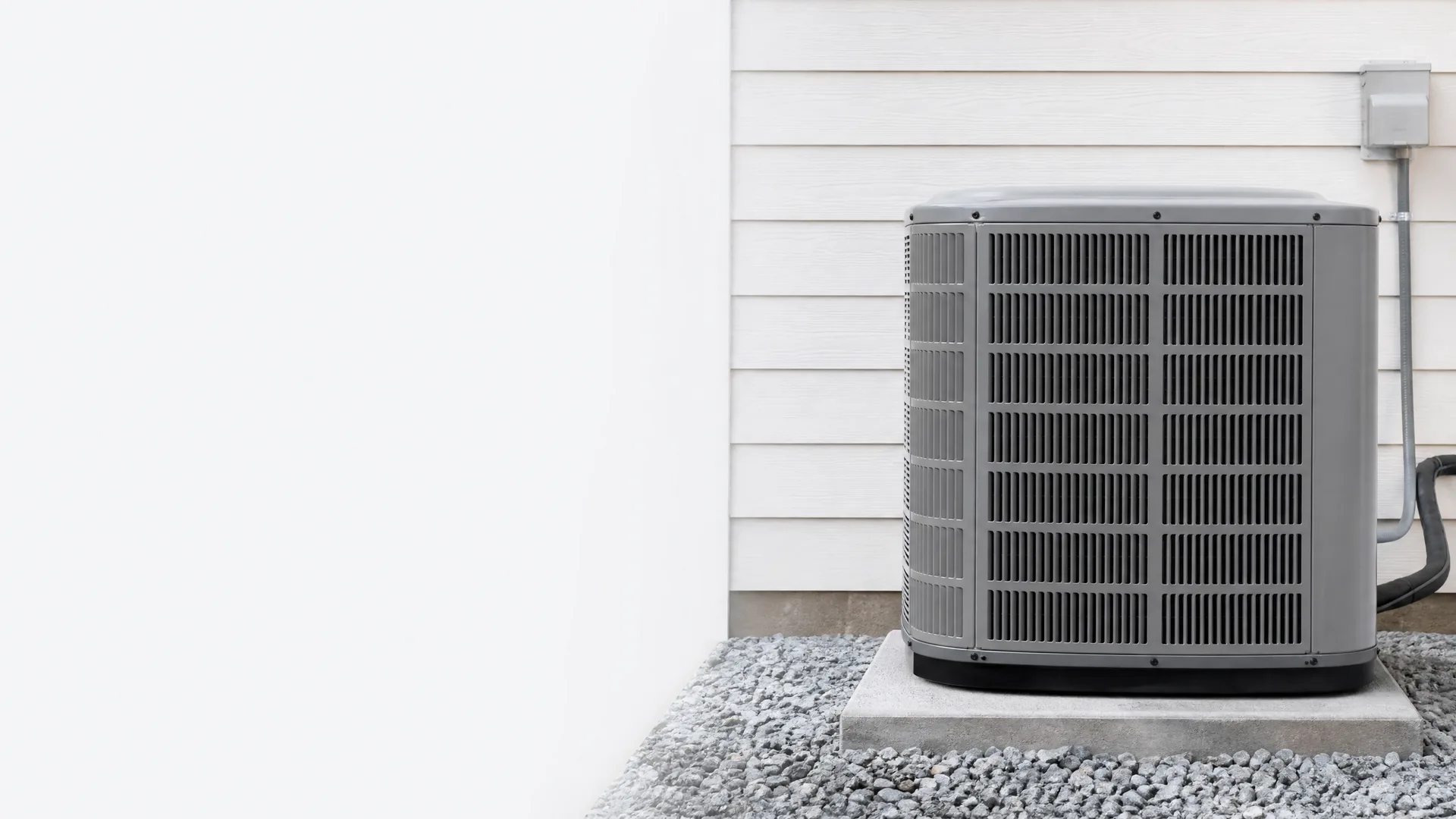
A gray outdoor air conditioning condenser unit on a concrete pad surrounded by gravel, next to a white horizontal-lap-sided house wall with an electrical box and conduit, against a blank white background on the left.

What a tech checks first

A contractor who services your model every summer starts with the same few things: the refrigerant charge, the capacitor that keeps the compressor and fan starting and running steady, and the coil itself. Low charge or a weak capacitor both make a system work harder than the day calls for. Checking these takes one visit and one contractor, not a round of calls to compare who can look at it soonest and who actually shows up.

Power costs 13.17 cents per kilowatt-hour statewide

At 13.17 cents a kilowatt-hour, those long summer runs don't hit your bill the way they would somewhere like California or New York. A clean, well-running system makes those long stretches cost less than you'd think. A dirty coil or a failing part still drives that number up, long run or not.

EIA-861 2025 statewide residential average

What a long runtime tells you

  • A long run on a hot afternoon that still ends with the house at your setpoint is a system working the way it should.
  • A system that runs from noon past dinner without ever shutting off is telling you something is wrong, not just that the day is hot.
  • A clean coil and a sound capacitor let the system satisfy the thermostat in a long stretch instead of an endless one.
  • A dirty coil or a weak part can stretch runtime even on a mild day, which is the clearer sign something needs attention.
  • Power here runs 13.17 cents a kilowatt-hour, so a long but normal run costs less than the same hours would somewhere else.
  • Maintenance is what keeps a long summer run a sign of a healthy system instead of a failing one.

Your AC running most of a hot Washington afternoon is not a problem by itself. What matters is whether it ever shuts off and whether the house actually gets to your setpoint while it runs. A system in good shape works that long stretch and still satisfies the thermostat, then rests until the house warms up again. One that never shuts off, or runs that long on a day that isn't even that hot, is carrying a load it shouldn't have to carry. That usually comes down to something specific: a coil coated enough that it can't give up heat the way it should, or a capacitor too weak to keep the compressor running the way it was built to. Either one makes the system work harder and longer to do the same job, and neither one gets better on its own. The coil and the capacitor are also two of the things maintenance checks before summer gets hard on them. A system that gets looked at each year tends to keep the pattern you want, long but effective, instead of drifting into the pattern that means trouble. At 13.17 cents a kilowatt-hour, a normal long run doesn't hit your bill hard, but a struggling system still runs up more hours than it needs to. The runtime itself is just information. What you do with it, and when, is what decides whether the system keeps working the way it should.

A smiling woman with dark shoulder-length hair in a cream V-neck sweater sits at a marble counter with a glass of red wine, with a kitchen and softly lit living room behind her.
A woman in a dark green sweater laughs while seated at a marble kitchen island with a glass of red wine, with open shelving, cabinets and a living room visible behind her.
A woman with long dark hair in a cream knit sweater laughs while looking off to the side, seated at a counter with a glass of red wine, in a dimly lit living room with a sofa, lamp, framed pictures and houseplant behind her.
A smiling woman with long dark hair in a beige sweater sits at a marble kitchen counter with a glass of red wine, with a dimly lit living room behind her.

Describe it once

A long afternoon run that ends with the house at your setpoint just means your AC is doing its job on a warm Washington day. One that never shuts off, or a house that won't quite get there, usually traces back to a dirty coil or a weak part, and that's what maintenance catches. Instead of calling around and explaining the same thing to a few different companies, you get matched with one licensed local contractor who works on this equipment all summer and knows what usually goes wrong with it.

Describe it once

A licensed local pro takes the request for your air conditioner tune-up.

You only hire the pro if you want to.