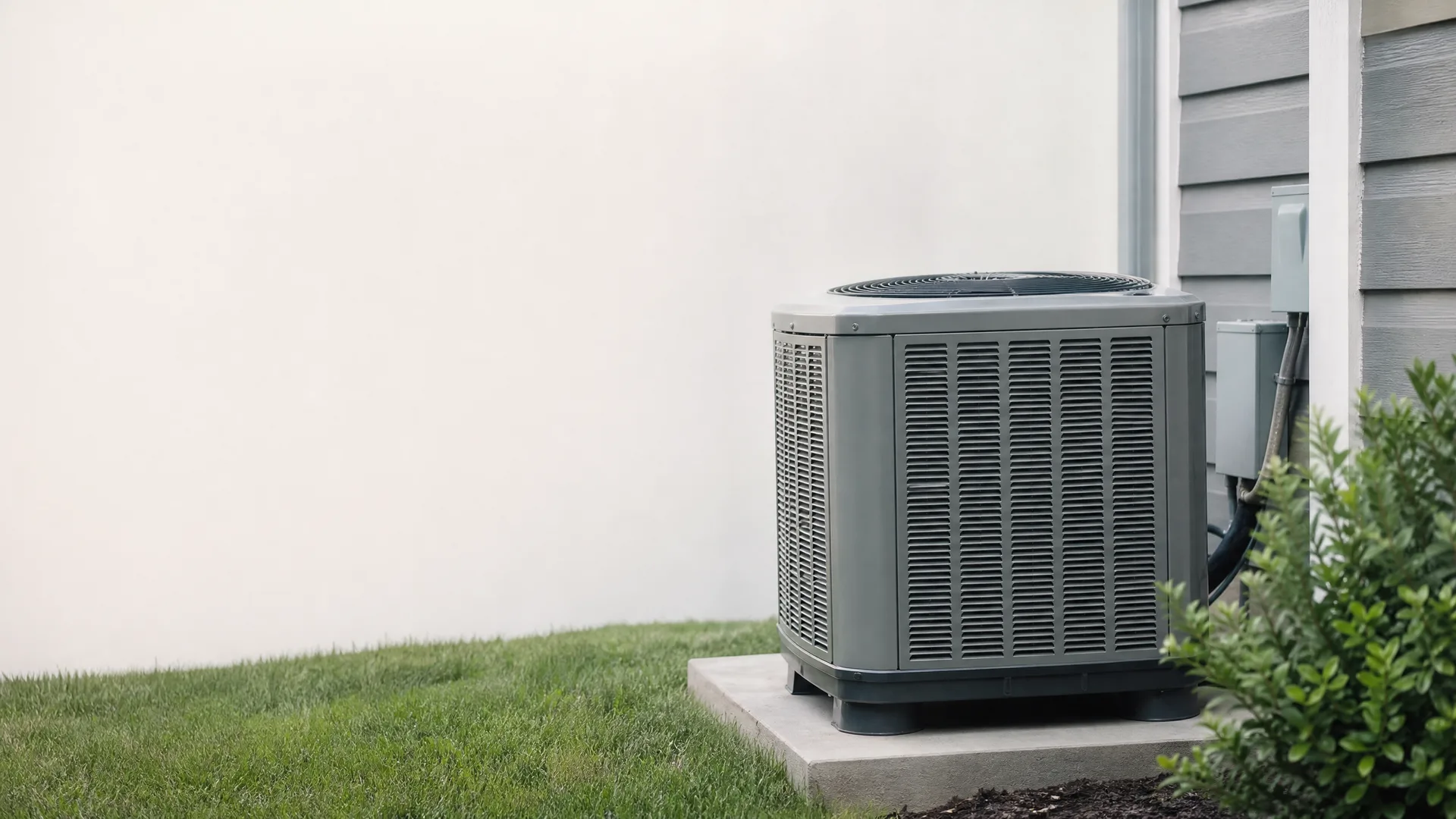
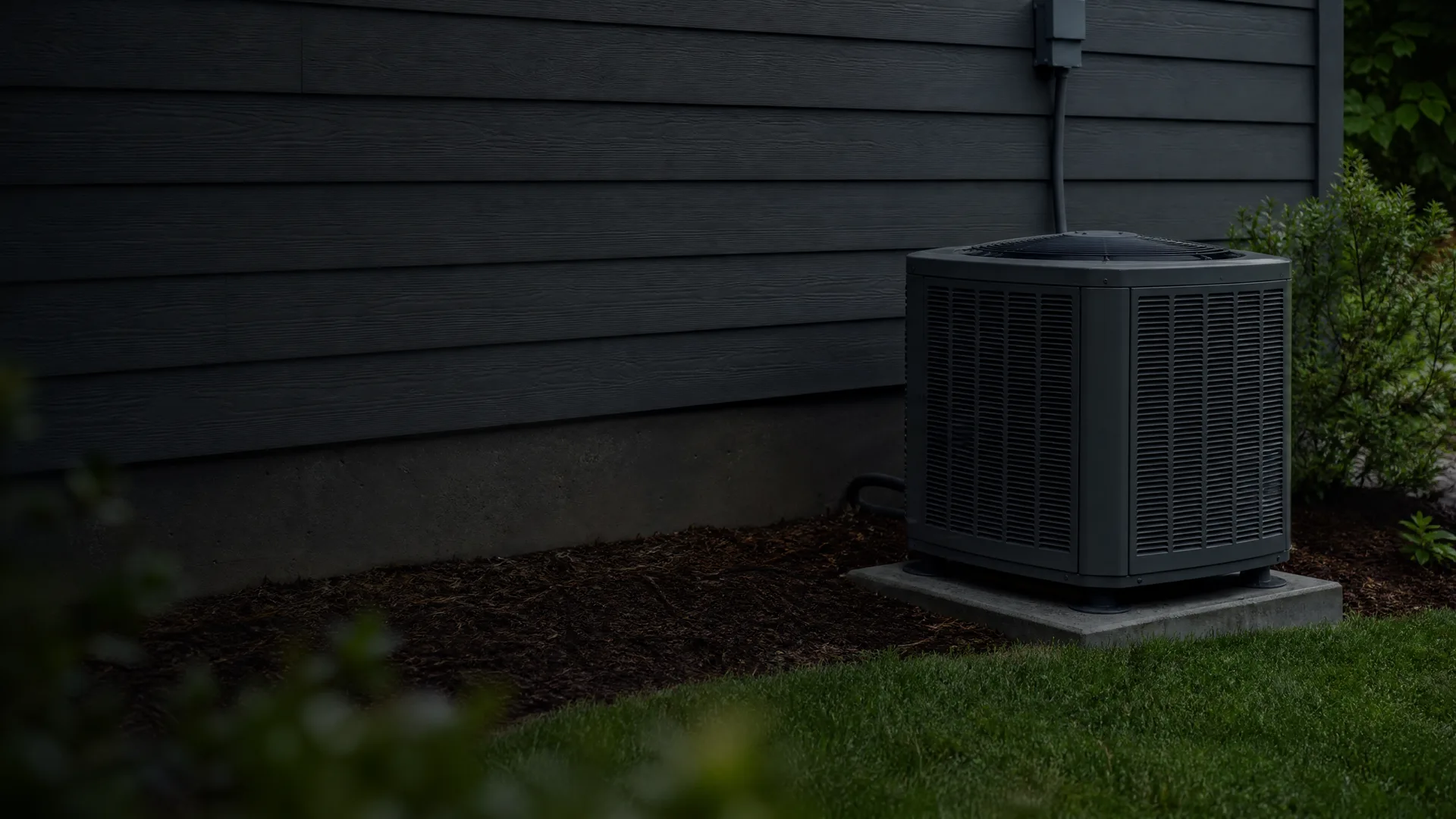
A local pro who services air conditioners gets in touch about the tune-up.
Summer in Washington doesn't hit like it does elsewhere. You won't get the heavy, sticky heat, but you'll still run your AC plenty between June and September, and a system that's been sitting since last fall doesn't always start the season clean.
Most homes here heat with electricity, which means the same equipment or the same electrical setup is doing double duty most of the year. A unit that struggles in summer often shows small signs first: it runs longer than it used to, or the house takes a while to catch up on a warm afternoon.
Getting your AC checked before the heat settles in is the straightforward way to catch those signs early. A contractor can look at the refrigerant charge, the condenser coil, the electrical connections, and tell you plainly whether anything needs attention now or can wait.
You don't have to track down who does that work. Once you send a request through this page, the job of finding someone is no longer yours. You'll be matched with a contractor who works on systems like yours, in your part of Washington, and they'll be the one to reach out to you.
That's the shift this page offers. Not a list of names to call and vet yourself, not a guess about which company handles your brand of unit. Just the next step handed off, so you can stop thinking about it until someone's actually in touch.
Washington power rates are low, which helps keep a struggling AC from turning into a painful bill. But low rates don't fix a weak system, they just soften what you feel while it's running worse than it should. A tune-up now is still the difference between a summer where your AC keeps up and one where it's working harder than it needs to.
Answer the practical questions below, then let the contractor take it from there.
Getting your AC ready for summer means having it checked before the first real warm stretch hits, not after it struggles to keep up. A system that sat idle since last fall can have a dirty coil, a low refrigerant charge, or a clogged filter, and none of those show up until the unit is working hard to cool a warm house. Washington summers don't push your AC as hard as a muggy climate would, but you'll still run it most days from June through September, and a unit that starts the season with a hidden problem usually keeps that problem all summer. Checking it now means catching a weak capacitor or a dirty coil while it's a quick fix, not a breakdown on the first hot week. For a house you keep up well, this is the same kind of upkeep as cleaning gutters before the rain starts.
Send the form, and lining up the air conditioner tune-up stops being yours to chase.
Asking costs nothing, and the choice to hire stays yours.
What a tune-up actually checks
A technician checks the refrigerant charge against what your system calls for, tests the capacitor and contactor, and cleans the condenser coil outside. A dirty coil makes the system work harder to dump heat, and a weak capacitor can keep the compressor from starting at all. These are the parts that fail quietly over a winter of sitting unused, not from use but from dust, moisture, and time.
Why electric heat changes the math
Most homes in Washington heat with electricity, so the furnace or heat pump and the AC often share the same air handler and ductwork. A dirty filter or blocked vent affects both sides of the system, not just cooling. Checking the AC before summer is also a chance to catch an airflow problem that's been quietly working against your heating all winter, one your electric bill may not have made obvious since power here is cheap.
Power costs 13.17 cents per kilowatt-hour statewide
At 13.17 cents per kilowatt-hour, running your AC here doesn't cost what it does in a lot of other states. That's a reason to keep it tuned, not skip it. A dirty coil or low charge makes the system run longer to do the same job, and you pay for every extra minute.
EIA-861 2025 statewide residential average
Tune it up before summer
A tune-up before the first warm week catches what sat wrong all winter. The technician cleans the condenser coil, checks the refrigerant charge, and tests the capacitor and contactor before any of them fail outright. You run the system through June, July, and August knowing it's working the way it should, not finding out the hard way on a 90 degree afternoon. Power here is cheap, so the bill was never the real cost of skipping this. The real cost is a system that runs longer than it needs to, or quits on the one week you need it most.
Skip it and hope
Plenty of systems run all summer without a spring check and never show a problem. If yours started clean last fall and you haven't noticed odd noises or weak airflow, you might get through June to September the same way. But a dirty coil or a capacitor on its way out doesn't usually announce itself ahead of time. It just runs a little worse each week until it doesn't run at all, often on the day you need it most. Washington summers aren't brutal, so a struggling system might limp along longer here than it would somewhere hotter, which can make the problem easier to miss.
A system checked before June beats one fixed in July
Washington summers don't bring heavy heat, but your AC still runs most days from June through September, and a system that sat idle all winter doesn't always start clean. A dirty coil, a weak capacitor, a low charge. Any one of those turns into a system that runs long and still can't keep the house where you want it. Catching it before the first warm week costs you nothing but the time to make the call.
Once you've decided to have it looked at, the next step isn't yours to carry anymore. You'll be matched with a contractor who works on systems like yours, and they'll reach out to you directly. No searching, no guessing who's any good. You asked the question, the page found the answer, and now someone qualified takes it from here.