 Get matched
Is a variable-speed AC worth it in Washington
Describe your air conditioner job, and a local pro who handles it gets in touch.
A variable-speed air conditioner runs at a lower speed most of the time instead of switching full blast on and off. In Washington, where summers are warm but not humid, that matters less for comfort than it would somewhere sticky. You're not fighting the air for moisture here, so the case for variable-speed has more to do with how the unit handles mild days and how it works alongside your electric heat than with sweat on the walls.
Most homes in this state heat with electricity, which means your outdoor unit and your indoor system often share more than just ductwork. A variable-speed compressor can step down to match a mild afternoon instead of cycling hard, and that steadier airflow also helps even out temperature swings between rooms. Whether that's worth paying for depends on your house, your current system's age, and how your ducts are laid out, things worth having someone look at directly rather than guess at.
Power here is cheap compared to a lot of the country, so the usual pitch about a variable-speed unit paying for itself faster doesn't lean on you the way it might elsewhere. That changes the math. It doesn't mean the upgrade isn't worth it. It means the decision rests more on comfort, noise, and how long you plan to keep the house than on the power bill.
A contractor who installs these systems regularly in this state knows which brands hold up in a Washington climate and which installs tend to go sideways with older ductwork. When you request a match, you're connected with one licensed local contractor, not a handful competing for your attention, someone who can look at your actual setup, your current equipment, and your electric rates, and tell you straight whether variable-speed makes sense for your house.
A variable-speed AC is usually worth it in Washington if you plan to keep the house a long time, less so if comfort is your only concern. Summers here don't get heavy with humidity, so the main thing a single-speed unit struggles with, pulling moisture out of the air, isn't the problem it is elsewhere. What a variable-speed system still gives you is steadier temperatures room to room and less noise, since it isn't slamming on at full output and shutting off again. Most homes here heat with electricity, and a variable-speed outdoor unit paired with a heat pump can help on that side of the bill too, not just cooling. If your current AC still runs fine, there's no rush. If you're replacing it anyway, the upgrade earns its keep over the years you stay in the house, not in the first summer.


A local pro for your air conditioner installation

One installer gets your project, so there's no bidding war over it.
It costs nothing to send, and you don't have to hire anyone.
How a variable-speed system runs
- A single-speed AC's compressor runs at full output until the thermostat is satisfied, then shuts off completely.
- A variable-speed compressor adjusts its output in small steps, often running at 30 to 50 percent of full capacity for most of the day.
- The indoor blower motor steps up and down with the compressor instead of running at one fixed speed.
- Longer, slower run times mean air moves through the ducts more continuously rather than in short bursts.
- The outdoor unit's sound changes with load, so it's often quieter since it rarely needs to hit full speed.
- A variable-speed system reads the temperature difference it needs to cover and picks a matching speed rather than guessing with one setting.
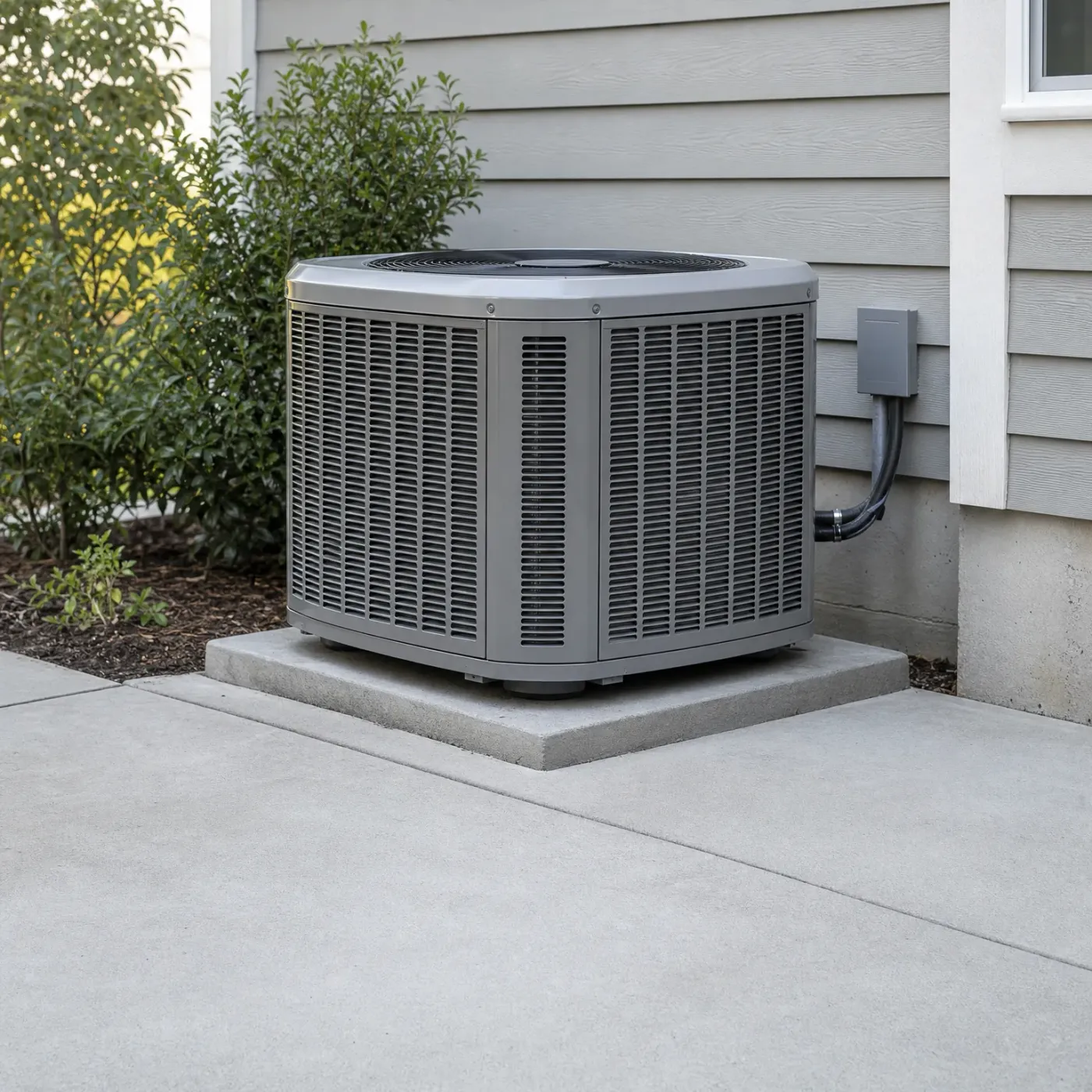
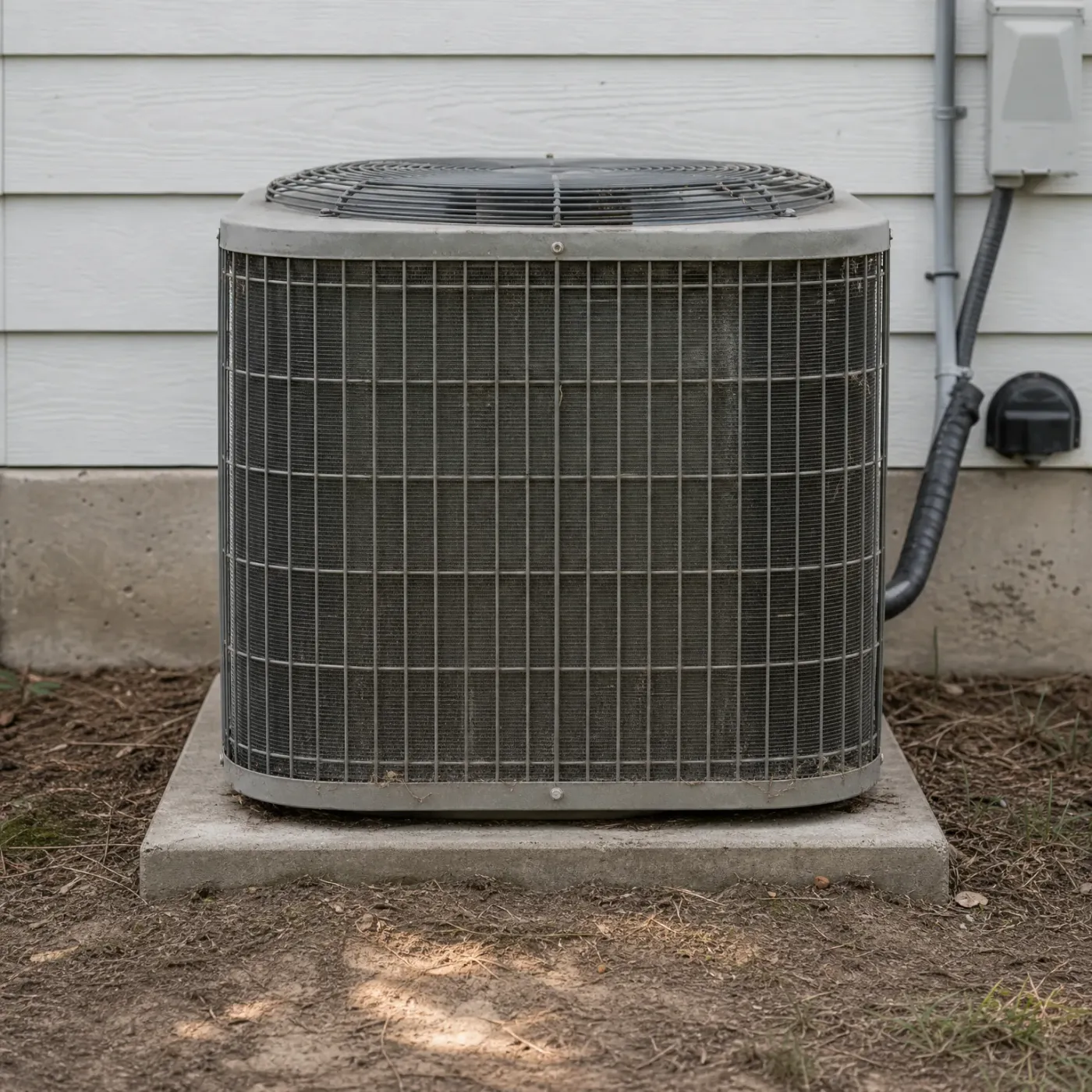
A single-speed air conditioner has one gear. The compressor comes on, runs flat out, cools the house down to the setpoint, and shuts off. It does that over and over, all day, every time the house picks up a few degrees of heat. A variable-speed system works differently. Its compressor has a range, and a control board decides where in that range to run based on how much cooling the house actually needs at that moment. On a mild afternoon that might be 30 or 40 percent of what the unit can put out. On a hot day it climbs higher. The indoor blower follows the same logic, speeding up and slowing down with the compressor instead of blasting air at one fixed rate whenever it's on.
The practical result is a system that's on more often but working less hard each time. Air moves through the ducts in a long, steady stream rather than short bursts followed by silence. Because the outdoor unit spends most of its time at partial output, it also runs quieter most days, the sound only building up when the house genuinely needs full capacity, like a 95 degree afternoon. None of this is the thermostat getting smarter. It's the equipment itself, matching its output to the load instead of offering only on or off.




Power costs 13.17 cents per kilowatt-hour statewide
At 13.17 cents per kilowatt-hour, your AC's running cost comes down mostly to how many hours the compressor is drawing power, not how hard it strains to do it. A variable-speed unit spreads that draw out over longer, gentler runs instead of short full-power bursts, so the savings show up in steadier, often lower bills rather than one big jump.
EIA-861 2025 statewide residential average

So where does that leave you
A variable-speed AC isn't the fix for a Washington summer. Your air is already mild, and a sound single-speed unit will keep a house comfortable here without much argument. Where the variable-speed unit earns its keep is quieter running and steadier temperature through the house, and if you're planning to stay in the house for years, that's worth something.
If your current unit is getting old or the coil and parts are worn, it's worth having someone look at what you actually have before deciding either way. A local contractor who installs and services these systems around Washington every summer will know what tends to go first in units like yours and what size and setup actually fits your house. You'll be matched with one contractor for that, not a handful competing for your number.

Get the right pro for your air conditioner
Only one pro gets your request, so you hear from one company.