If your AC fails this summer
An R-410A unit can still be repaired, but finding parts and techs for it will get harder each year as the industry moves on to the new refrigerant.

R-410A is being phased out under federal rules, and as of 2025 new air conditioners are no longer made to use it. The replacement refrigerants, mainly R-454B, run at different pressures, so the switch isn't just a different gas in the same unit. New AC systems are built with different coils and components to handle it. If your current system uses R-410A, it can still be serviced and recharged for now, since the phase-out affects new equipment, not what's already running in your home. But if your AC fails and needs replacing, the new unit installed will be built around the new refrigerant, not the old one. Washington summers don't push cooling systems as hard as the humid parts of the country do, but when your AC does go, the replacement options have changed, and it helps to know that before you're standing in a warm living room comparing quotes.


R-454B carries a mild flame risk that R-410A didn't, so the parts rated for it, the lines, the coil, the condenser, are built and installed to handle that. A contractor working on these systems now needs training and tools specific to R-454B, separate from what R-410A service used. In Washington, where most houses heat with electric furnaces or heat pumps, the air conditioner is usually a standalone unit or paired with that electric system rather than a gas furnace. That means the swap to R-454B touches the outdoor condenser and the indoor coil, not a furnace, so the scope of a changeover here is narrower than in a home where the AC shares a cabinet with gas equipment.
If your outdoor unit was built before 2025, it runs on R-410A, and a contractor can still service it since the phase-out stops new equipment, not repairs to what's already installed. But once that unit needs replacing rather than repairing, the new one will run on R-454B, and it won't connect to old R-410A lines without the right adapters or a line replacement. A contractor who installs these year-round in Washington homes knows which older line sets can carry the new refrigerant and which need to be swapped, so the quote accounts for that before the work starts, not after.
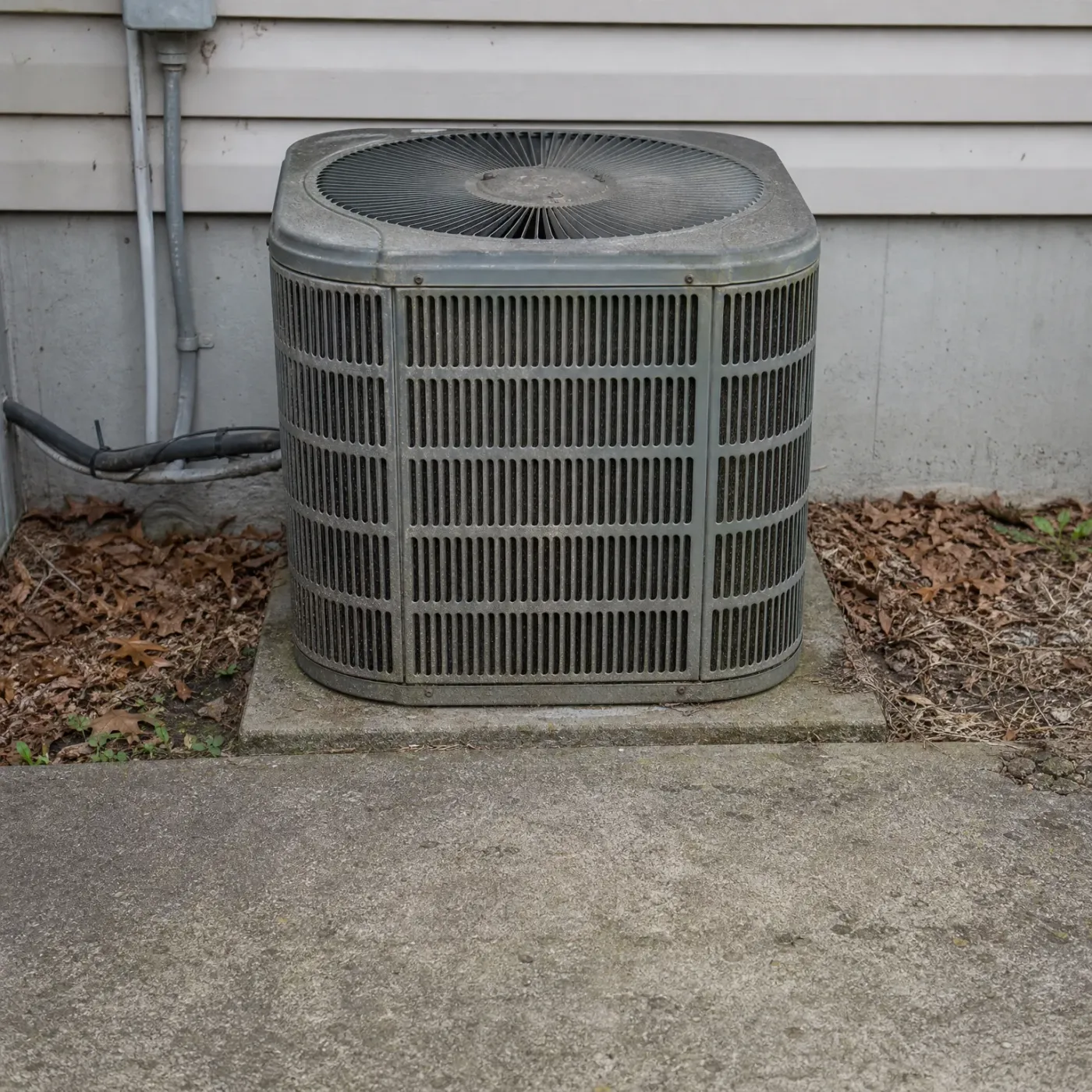
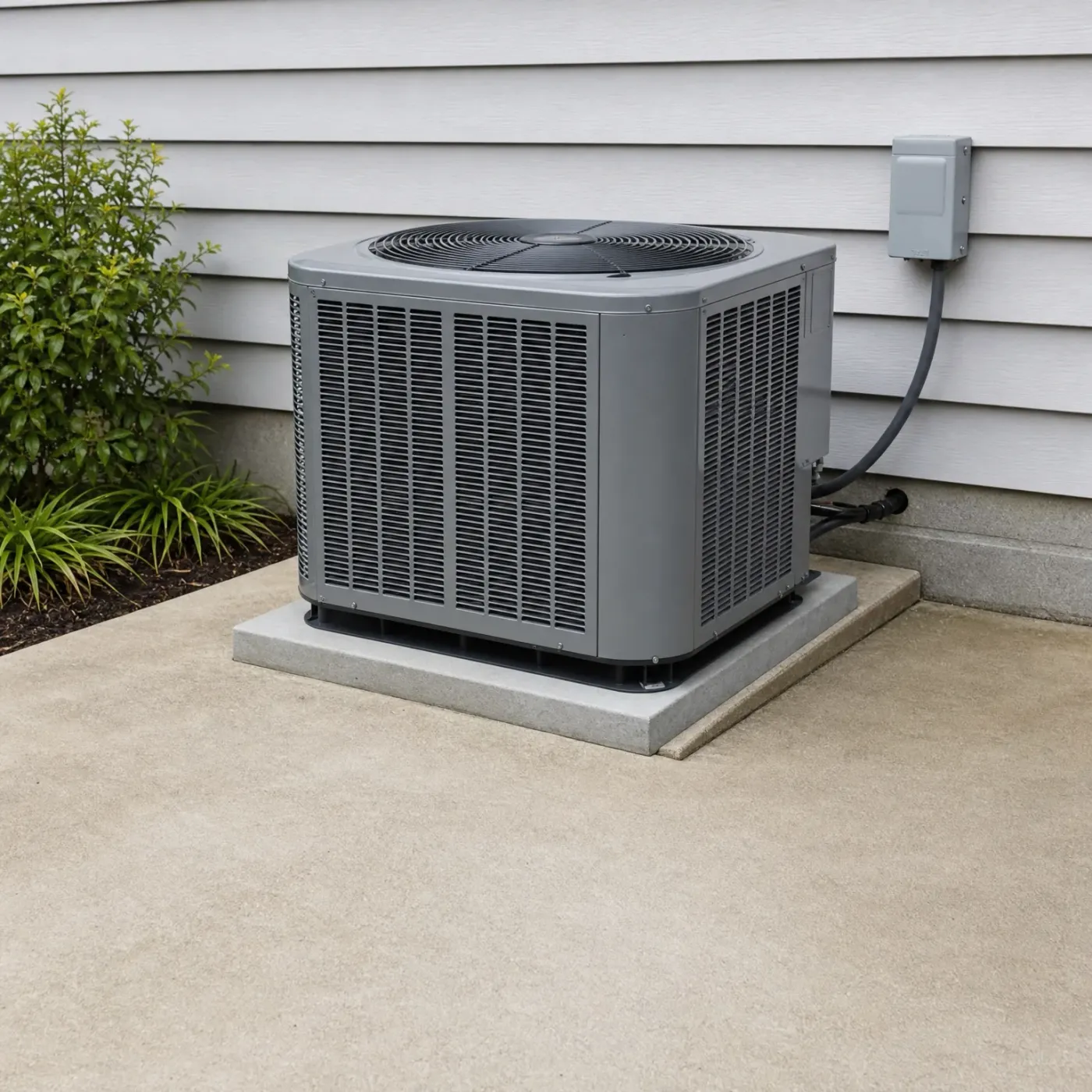
An R-410A unit can still be repaired, but finding parts and techs for it will get harder each year as the industry moves on to the new refrigerant.
You get a system built for R-454B from the start, installed by someone local who already knows the pressures and parts the new refrigerant calls for.




A contractor checks your home's electrical and line set for R-454B service.
The old R-410A unit and its lines are removed and sealed off.
New line sets and a coil rated for R-454B pressure go in.
The new condenser and air handler are set and connected.

The fan in the window turns on its stand, pulling in air that isn't even that heavy, not like it would be somewhere else, but the room upstairs holds onto heat anyway. It's past eight and still light out. Your son kicked the sheet to the floor an hour ago. You stood in the doorway and felt the warm air from the hall mix with the warm air already in the room, and nothing moved it along. Downstairs the window unit in the living room keeps that room fine. Up here, the air just sits. You'll check on him again before you go to bed, and probably once more after that, same as every night it gets like this.
Finding someone who knows R-454B systems isn't like finding someone to fix a leaky faucet. You'd be calling around asking contractors if they've trained on the new line sets and pressures, then calling more to compare what they quote, then explaining your situation all over again to each one. Submit this request once and it goes to a contractor working near you, in Washington, who installs these systems through summers that don't demand much of an AC but still need one that runs. Someone who's already swapped out R-410A units ahead of the phase-out knows what a home here actually needs, electric heat and all, and won't need the basics explained twice. You get one contractor calling you back, not five competing for your attention. That's one less thing to manage while you're deciding what to do about a unit that's aging out of its own refrigerant.
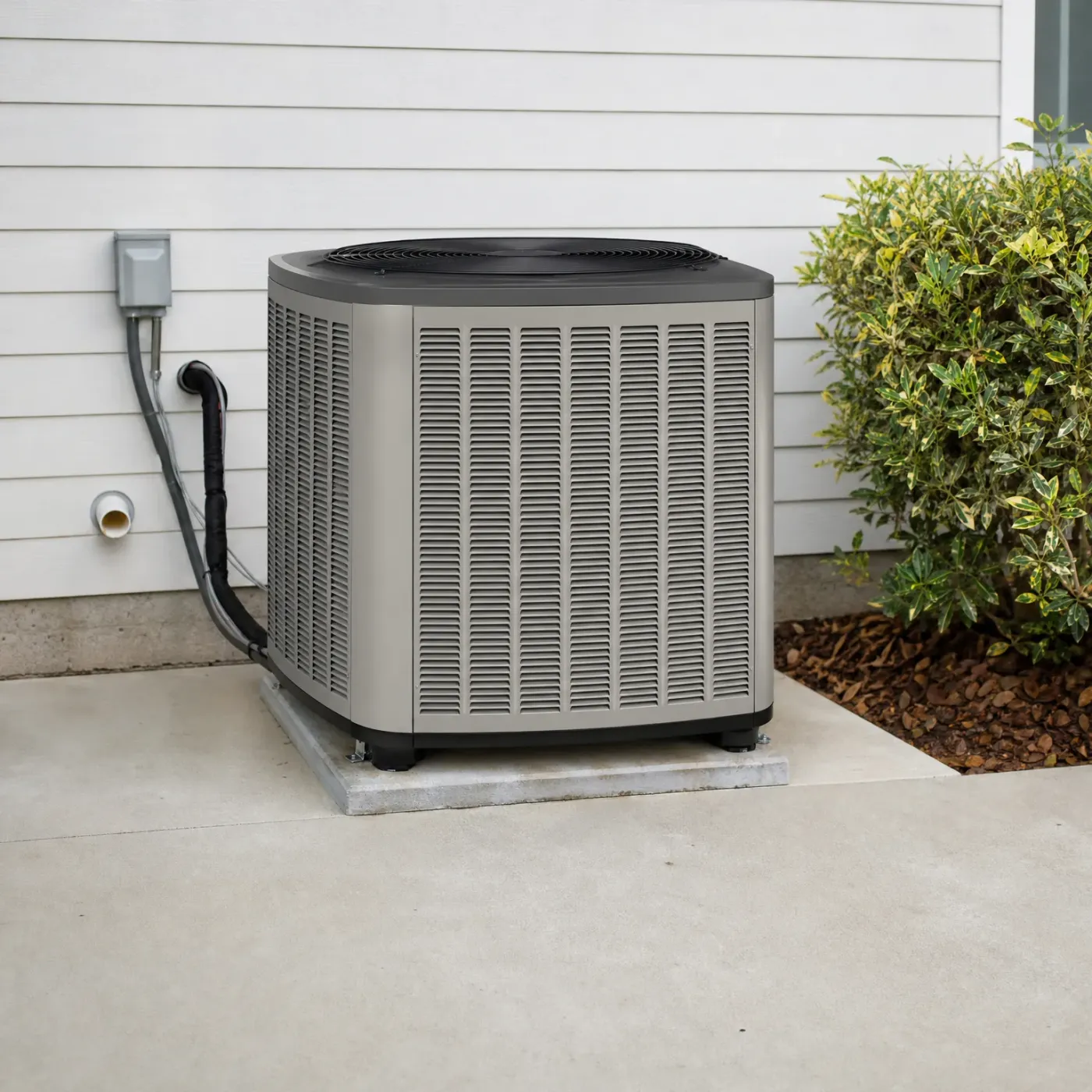
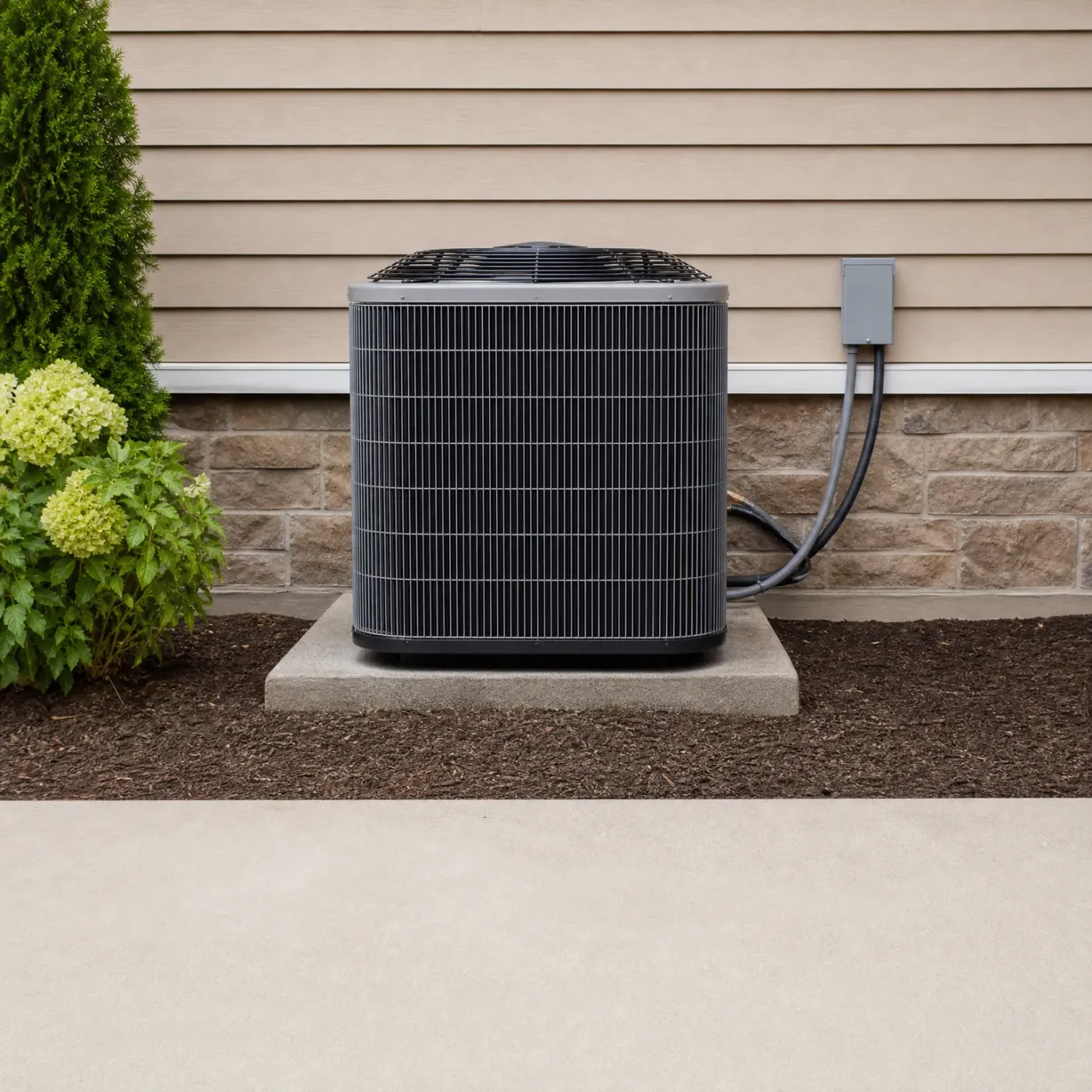
A unit like this one, set on its pad with the lines running clean to the disconnect box, doesn't need to be touched. If it's cooling the house on a warm Washington day and the coil isn't leaking, let it run. Servicing it as usual is all it needs.
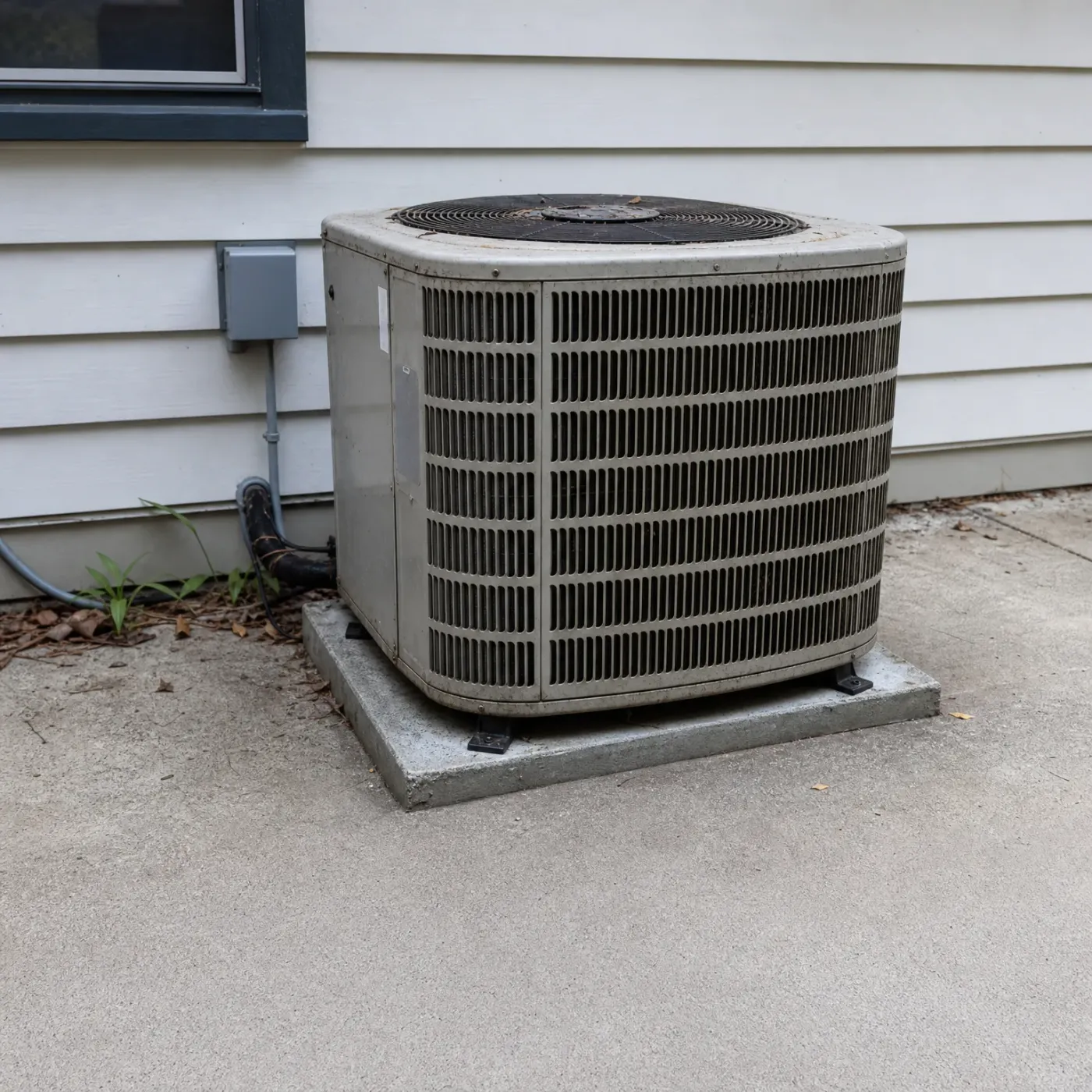
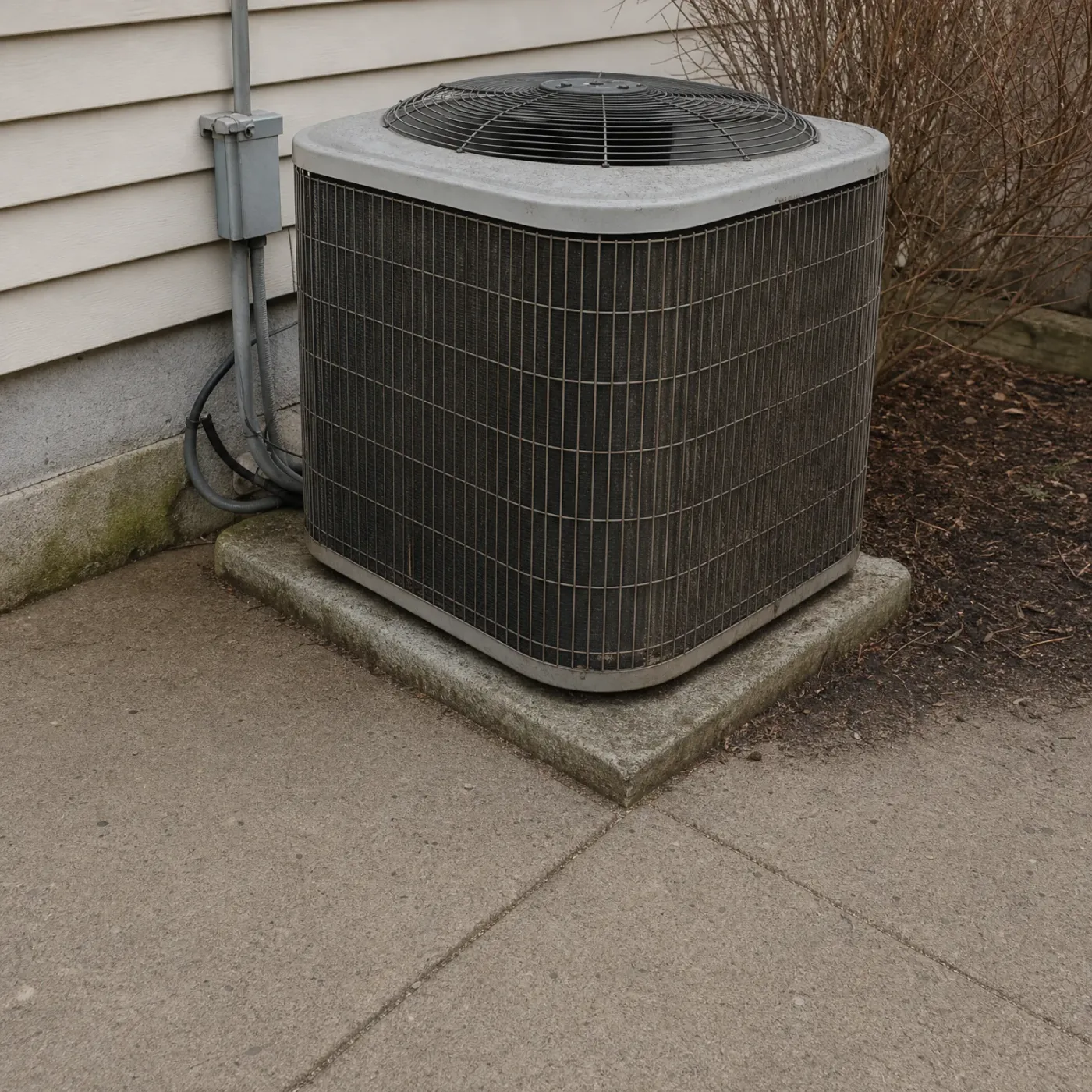
A condenser this weathered is closer to a repair you can't put off. When the next part on it fails, you're choosing between hunting down R-410A parts and refrigerant or putting in a system built for R-454B from the start. That choice only gets harder to make later.
At 13.17 cents a kilowatt-hour, running your air conditioner here doesn't strain the budget the way it might elsewhere. A new R-454B system that cools the house more efficiently will still show up as savings on the bill, just smaller ones, since the rate per hour is already low.
EIA-861 2025 statewide residential average
R-410A isn't banned from your house. If your unit runs on it now, it can keep running, and a contractor can still service it as long as parts and refrigerant hold out. What's changed is what comes out of the factory. Every new air conditioner sold today is built around R-454B, with lines and a coil rated for its pressure, not retrofitted for it. That's a different install than the one a contractor did ten years ago, and it's worth having someone who does this kind of system regularly, not as a one-off. A local contractor who installs R-454B units through a normal Washington summer has already seen what fails on these, which electrical checks matter, which line sets hold up. You call once, one contractor comes out, one quote tells you what your house needs. No sorting through five bids from five companies that never saw your attic or your disconnect box. Your electricity here is cheap, so a more efficient system won't swing your bill much either way. That's fine. The point of replacing the unit was never the rate per kilowatt-hour. It's whether the system you have is worth repairing or worth retiring, and that answer sits in your attic, not in a federal phase-out schedule. A contractor who looks at your actual lines and your actual coil can tell you which one you're standing in front of.
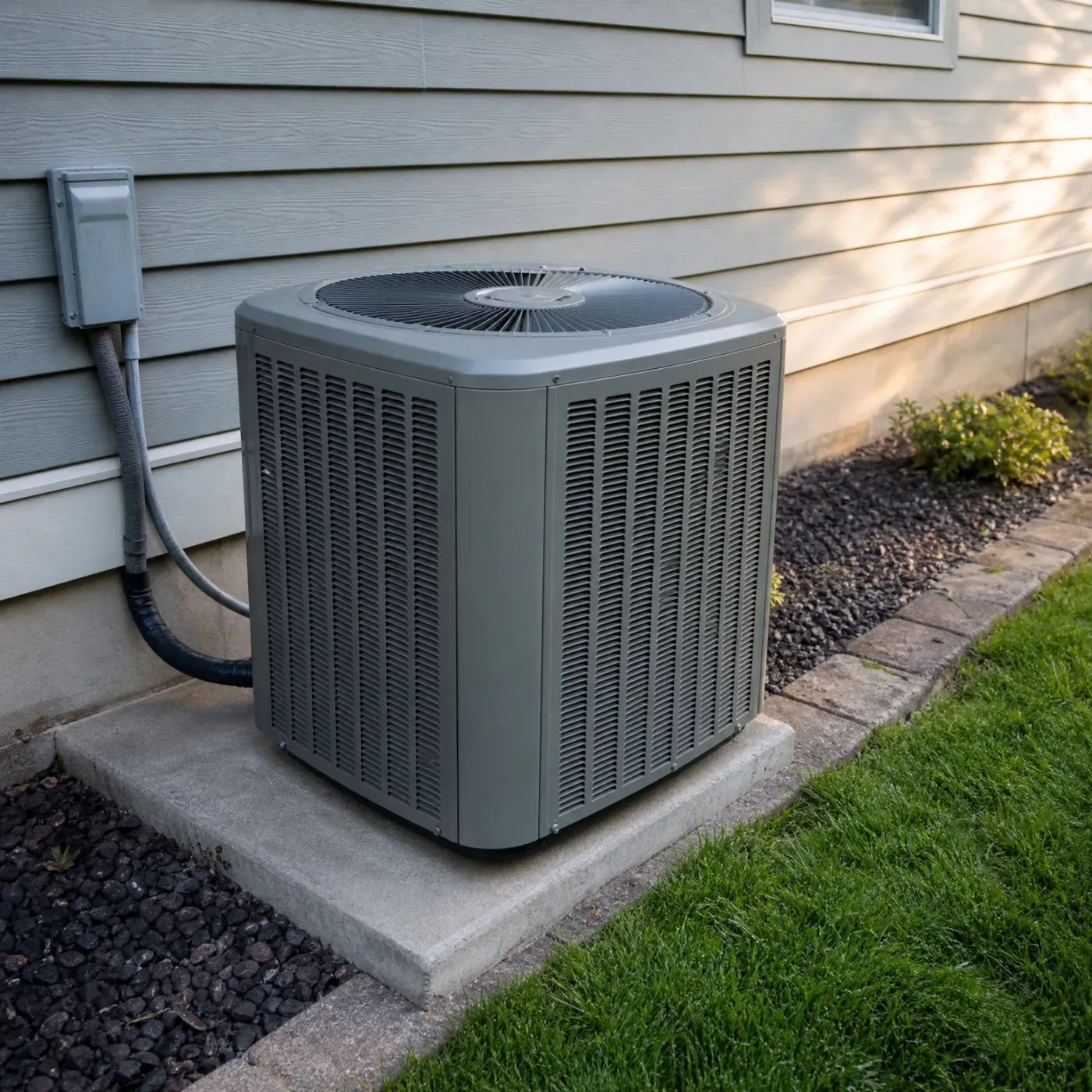
Only one pro gets your request, so you hear from one company.
It costs nothing to send, and you don't have to hire anyone.