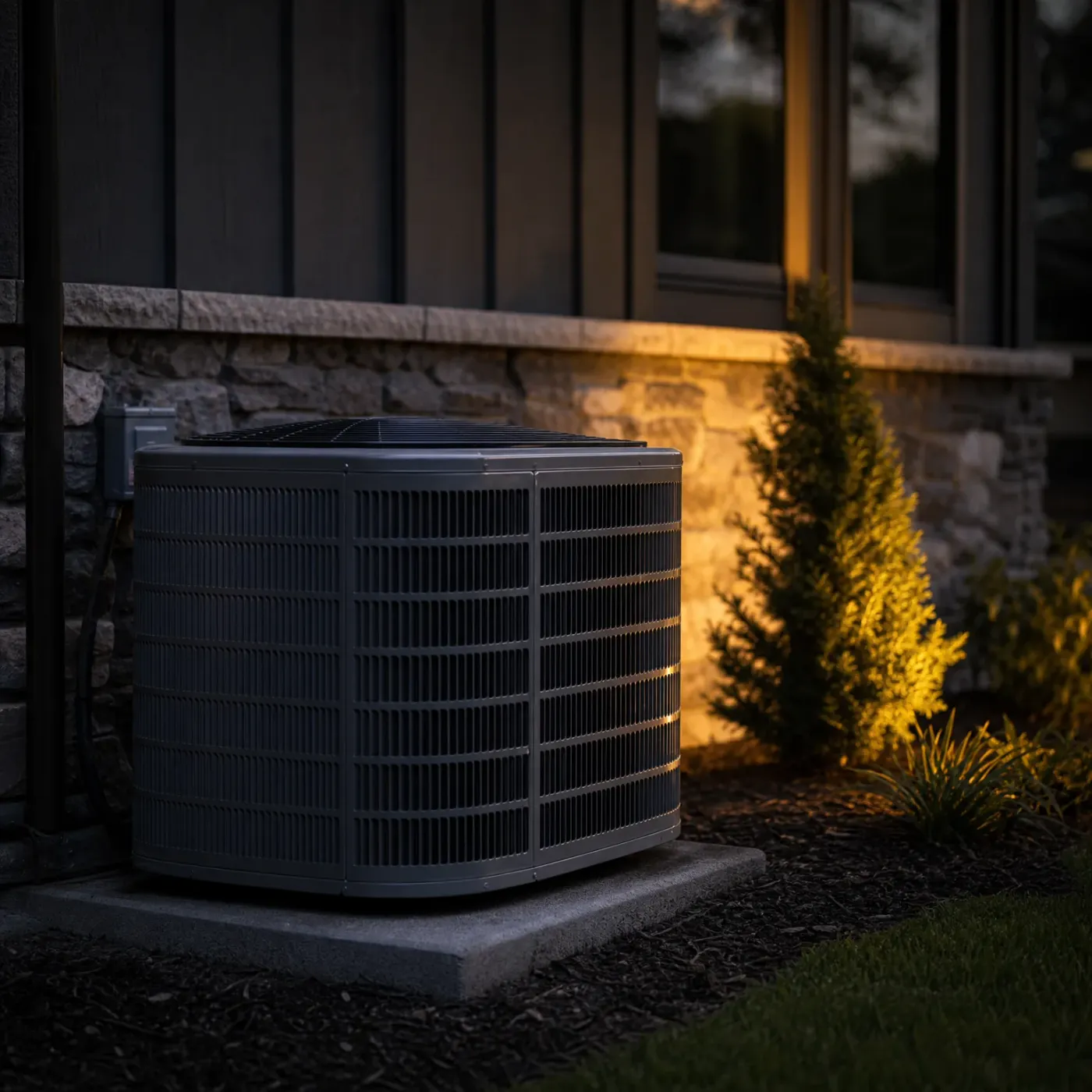
Matched to your air conditioner job
Why your AC can't keep up on hot Washington days
A hot day in Washington shouldn't be a problem for a system built to handle it, so when the house won't cool down you want to know why. Could be the unit is low on refrigerant, the airflow is blocked, or it's just undersized for what it's being asked to do. Find out what's behind it below, then get matched with a contractor who can take a look.
Get a local proMost air conditioners in Washington are sized for warm, dry summers, not for a stretch of true heat. When the outdoor temperature climbs well past what the unit was matched to, it has to run longer to move the same amount of heat out of the house, and on the hottest afternoons it may never catch up. A dirty filter, a coil coated in dust, or a refrigerant charge that's a little low all make the same problem worse, because each one cuts into how much heat the system can carry away per hour. The thermostat might read 78 when you want 72, and the unit isn't broken. It's working the whole time, just losing ground. If this only happens on the handful of hardest days, that points to capacity and airflow. If the house won't cool down even on a mild evening, something in the system itself needs a look.




What Happens Inside the System
- The compressor moves refrigerant in a loop, and a low charge means it's pulling in less heat every cycle.
- A dirty evaporator coil inside the air handler makes the system pull warm air back through before it's cooled.
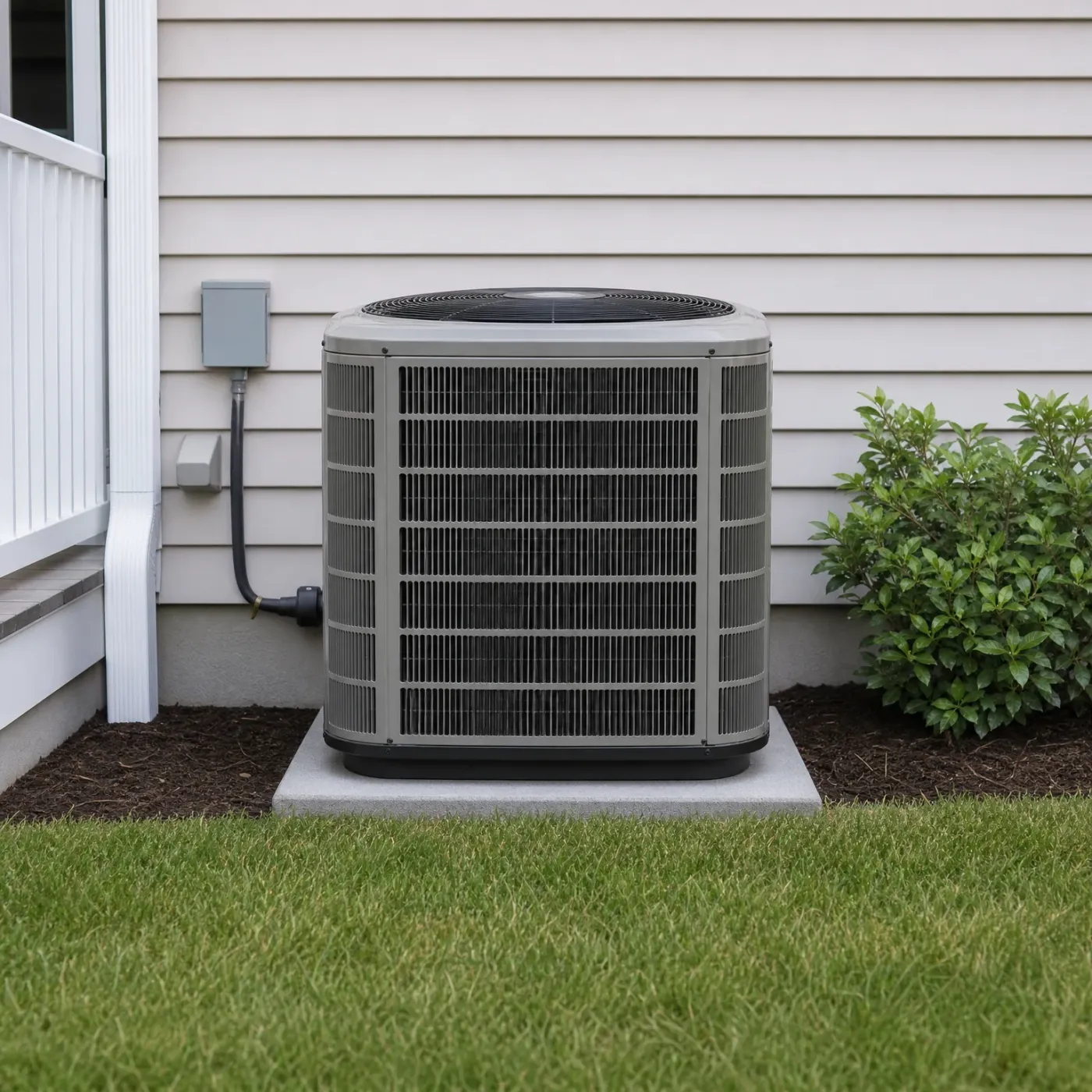
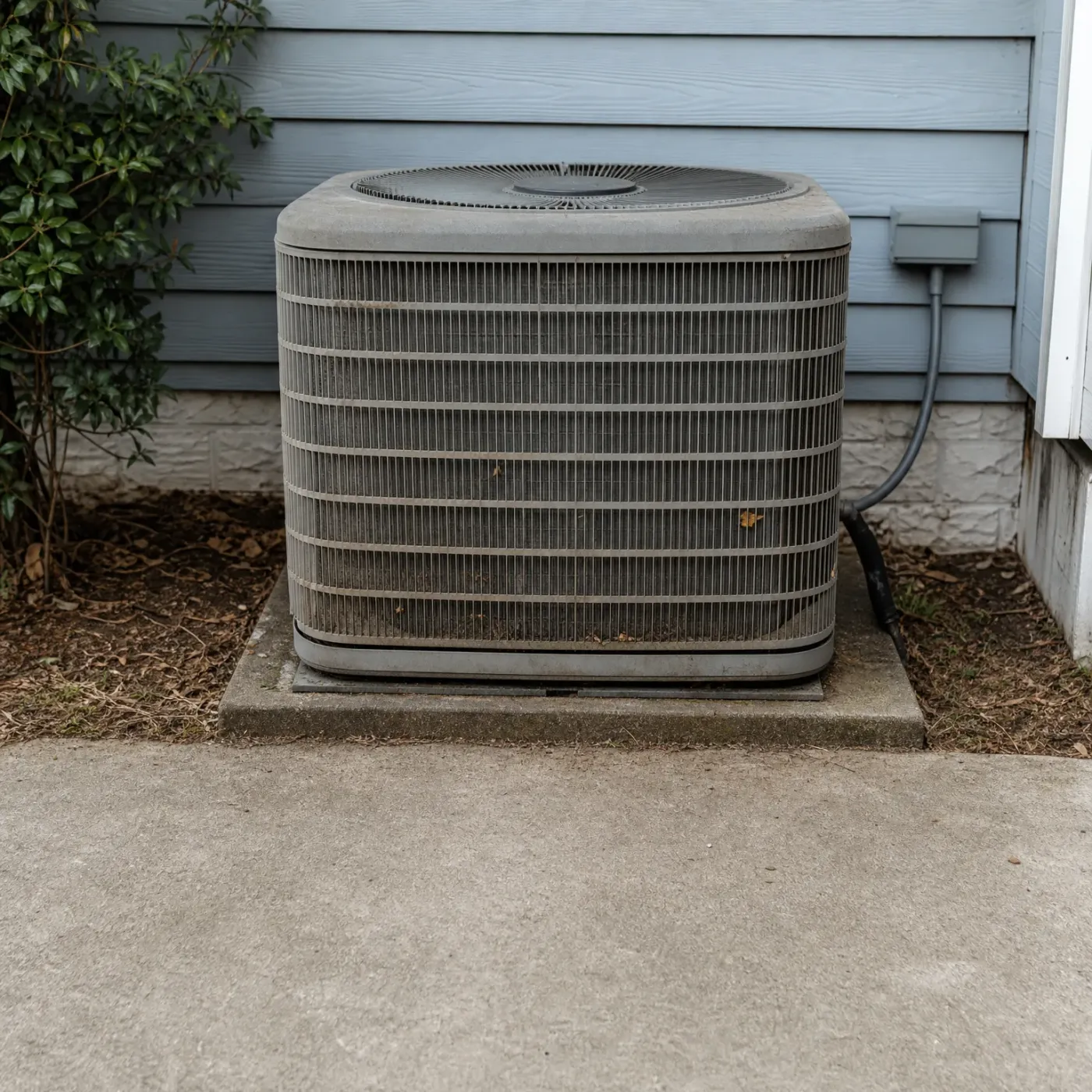
- The outdoor fan has to pull air across the condenser coil; if it's weak or the coil fins are bent flat, heat has nowhere to go.
- Most residential units are a single stage, so on a hot day they only have one speed: full on, no higher gear to reach for.
- A thermostat set lower than the system can deliver just keeps the compressor running without closing the gap.
- If the ductwork was sized for a smaller unit or a different layout, the air reaching some rooms slows down before it ever gets there.
An air conditioner cools by moving heat, not by making cold air. Refrigerant inside the coils absorbs heat from the air in your house and carries it outside, then the cycle repeats. Every part in the loop has one job, and if any of them falls short, the whole system slows down even though the compressor keeps running.
Refrigerant charge is the most common piece to go wrong. A unit that's lost some of its charge still runs, but it moves less heat per cycle, so the house loses ground slowly rather than all at once. Airflow matters just as much. A dirty evaporator coil forces warm air back into the room before it's fully cooled, and a condenser coil packed with dust or clipped by bent fins can't shed heat outside fast enough, no matter how hard the fan works.
Most home systems only run at one speed. There's no higher gear for a hot afternoon, so once the compressor is maxed out, that's the ceiling. Setting the thermostat lower than the system can actually reach doesn't raise that ceiling, it just keeps the compressor running longer for no gain. And if the ducts were built for a different unit or layout, some rooms get less air than others regardless of what the system outside is doing.


By the time you notice the house isn't cooling, the system has usually been behind for hours. It started losing ground around noon, and dinner time doesn't bring relief, so you're still waiting on the thermostat well into the evening. Upstairs feels it first and worst, and that gap between floors only grows on a hard day. Meanwhile the unit is running close to nonstop trying to catch up, and even with electricity priced the way it is here, that shows up on the bill. It also shows up in the compressor, which wears faster when it never gets to shut off and rest. A quick way to tell where things stand: put your hand near a vent. If the air feels only a little cool instead of genuinely cold, the system is already losing the fight, and the house will keep climbing from there. Riding it out rarely pays off. A unit that's struggling through one hot stretch is usually in worse shape for the next one, not better.
What a Struggling AC Costs You
- A system that's been losing ground since noon still has to cool the house down after dinner, so the thermostat may not catch up until well after dark.
- Bedrooms upstairs often run warmer than the rest of the house, and on a hard day that gap gets wider, not smaller.
- A unit that's short on refrigerant or blocked up runs close to nonstop, and in Washington that shows up on the power bill even with cheap electricity.
- A compressor pushed to run for hours on end wears faster than one that gets to cycle off and rest.
- If the air coming out of the vents feels only a little cool instead of cold, the system is already behind and the house will keep climbing.
- Waiting out a hot stretch with a struggling unit usually means it's still struggling, and further behind, once the next one hits.
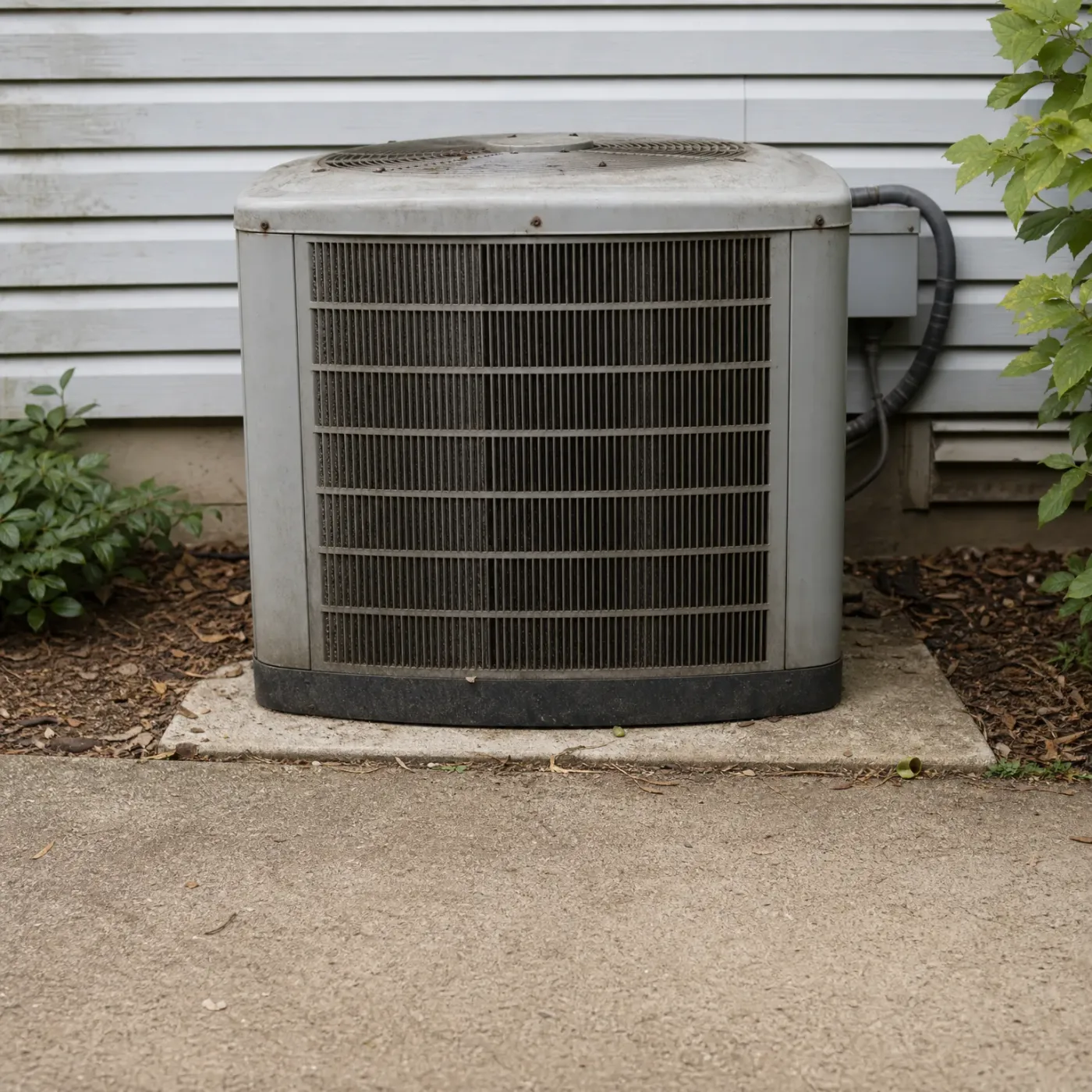
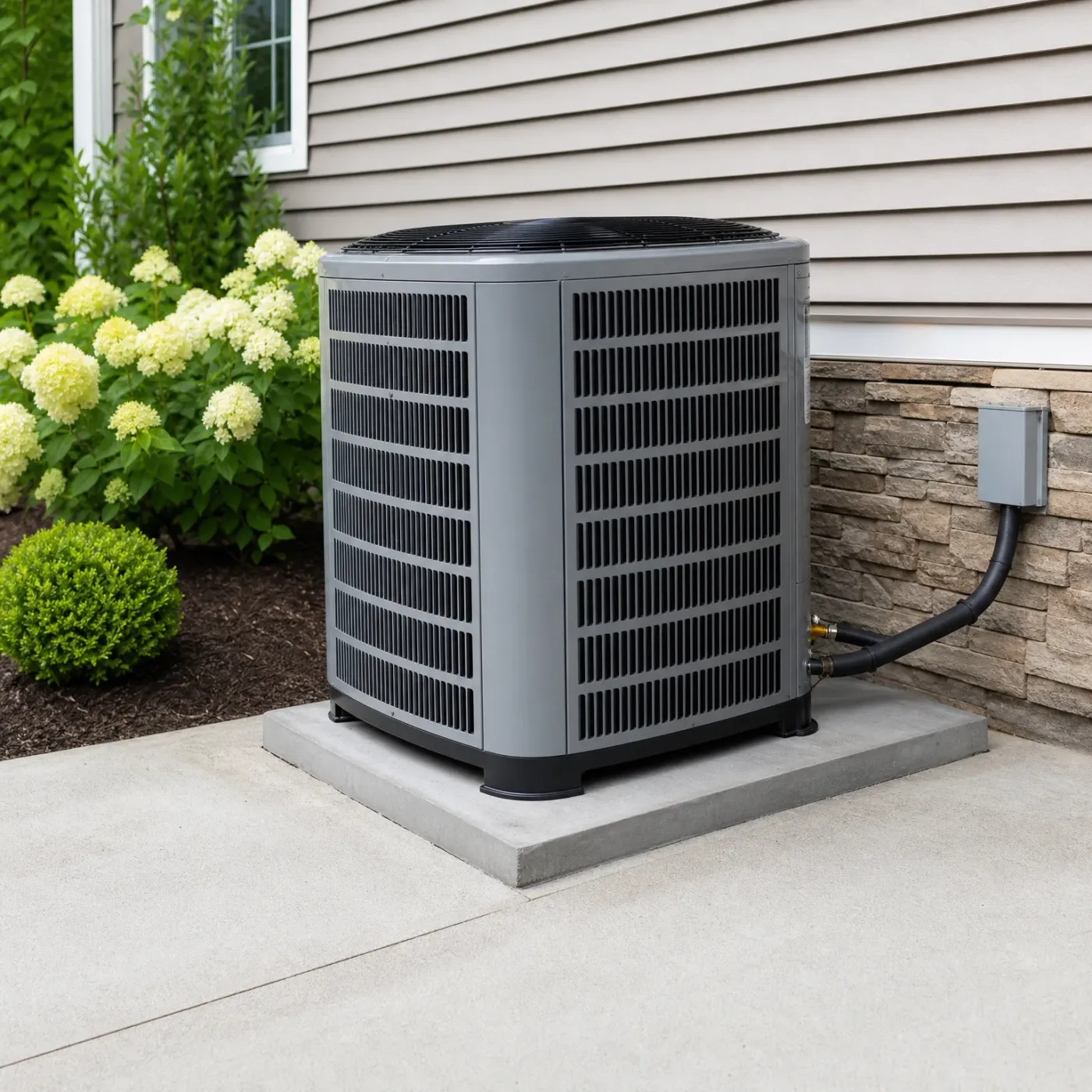
An air conditioner pro near you
A system that's falling behind on a hot afternoon isn't going to fix itself by evening. Washington doesn't get the thick, heavy heat some places do, but a run of true hot days still asks more of your air conditioner than it's built for, and once it starts losing ground, it keeps losing ground until something changes. Electric heat keeps most winter bills low here, so a summer stretch of a struggling AC and a climbing power bill stands out more than it might elsewhere. The unit might need refrigerant, a cleaned coil, or a look at whether it was ever sized right for your house. Figuring out which one takes someone standing in front of it. Sending the request means you stop wondering about it and someone who works on these systems takes it from here, while you get back to the rest of your day instead of the house.
A dew point of 53°F is low. Summer air in Washington stays dry enough that sweat still does its job, and a house without any air conditioning at all can feel tolerable into the evening. That's the problem for a struggling unit: there's no heavy, wet air to blame. If your AC can't keep the house cool here, dryness isn't covering for it the way it might somewhere muggier. The strain is coming straight from heat load, hours of sun on the roof and walls, a compressor working long cycles, a fan pulling warm air across the coil for longer than it should. You'll notice it as rooms that stay warm no matter how long the system runs, not as that sticky, can't-dry-off feeling. Source: NOAA climate normals.
NASA POWER T2MDEW county cells weighted by homes
Call Now or Wait It Out
Call now
- A system that's losing ground at 2pm will keep losing ground until someone opens it up and finds the cause.
- Low refrigerant and a dirty coil both get worse with every hour the unit keeps running against them.
- Getting a contractor out while the heat is still on lets them see the system fail in real conditions, not guess at it after the air cools.
- A repair done this week still gives you the rest of the summer with a system that can keep up.
- Waiting through one hot stretch often means waiting through the next one too, since the underlying cause doesn't fix itself.
Wait it out
- If the house catches up once the sun goes down, the system may just be undersized for a run of true heat, not broken.
- A unit that falls behind only on the hottest days and recovers fine on milder ones points to capacity, not a failing part.
- Riding out a short heat spell costs nothing, but it tells you nothing about whether the problem will return.
- Skipping a look this time means the next hot stretch starts from the same weak point, whatever it is.
- A system that never fully catches up overnight is past the point where waiting tells you anything new.
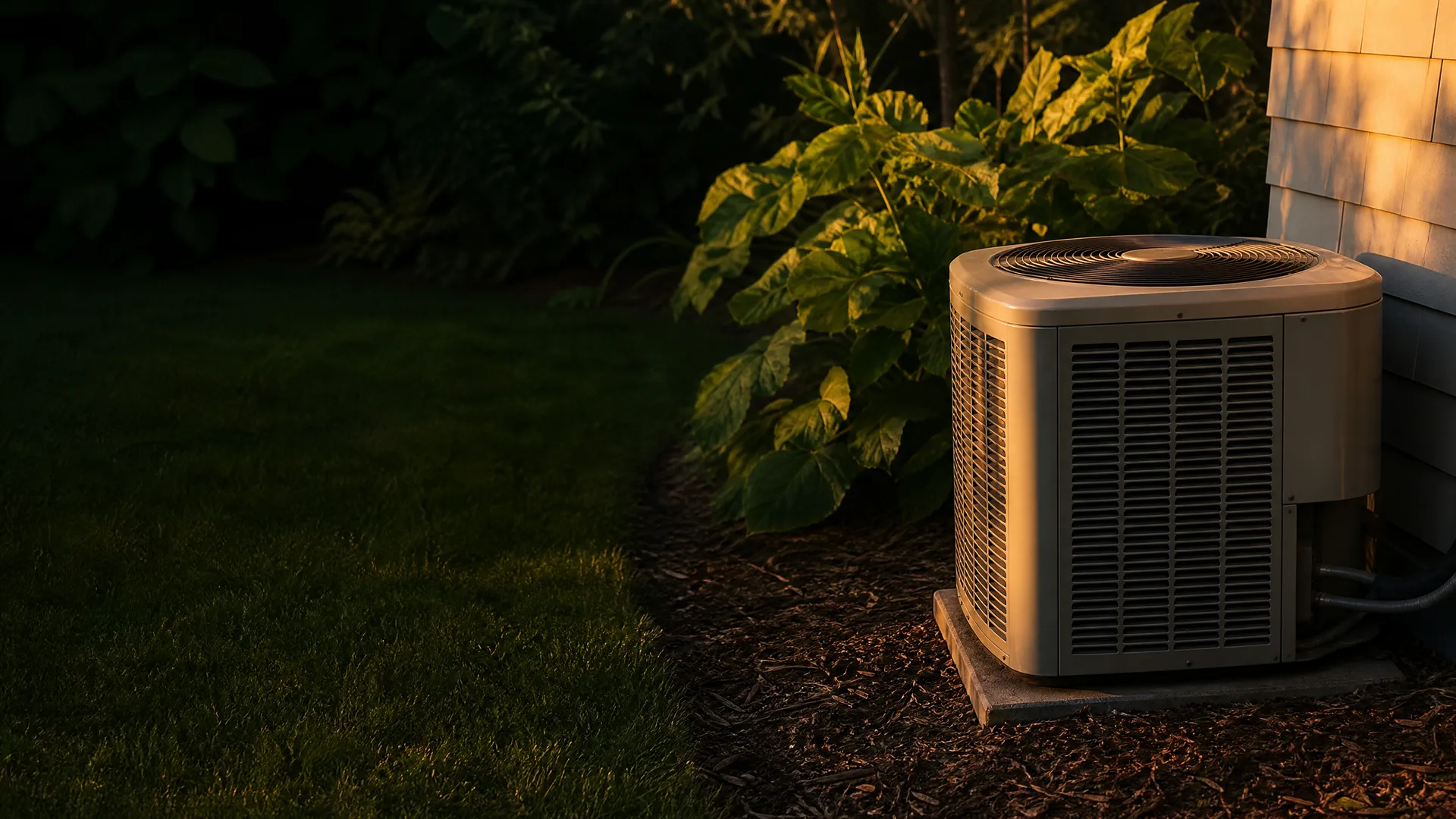
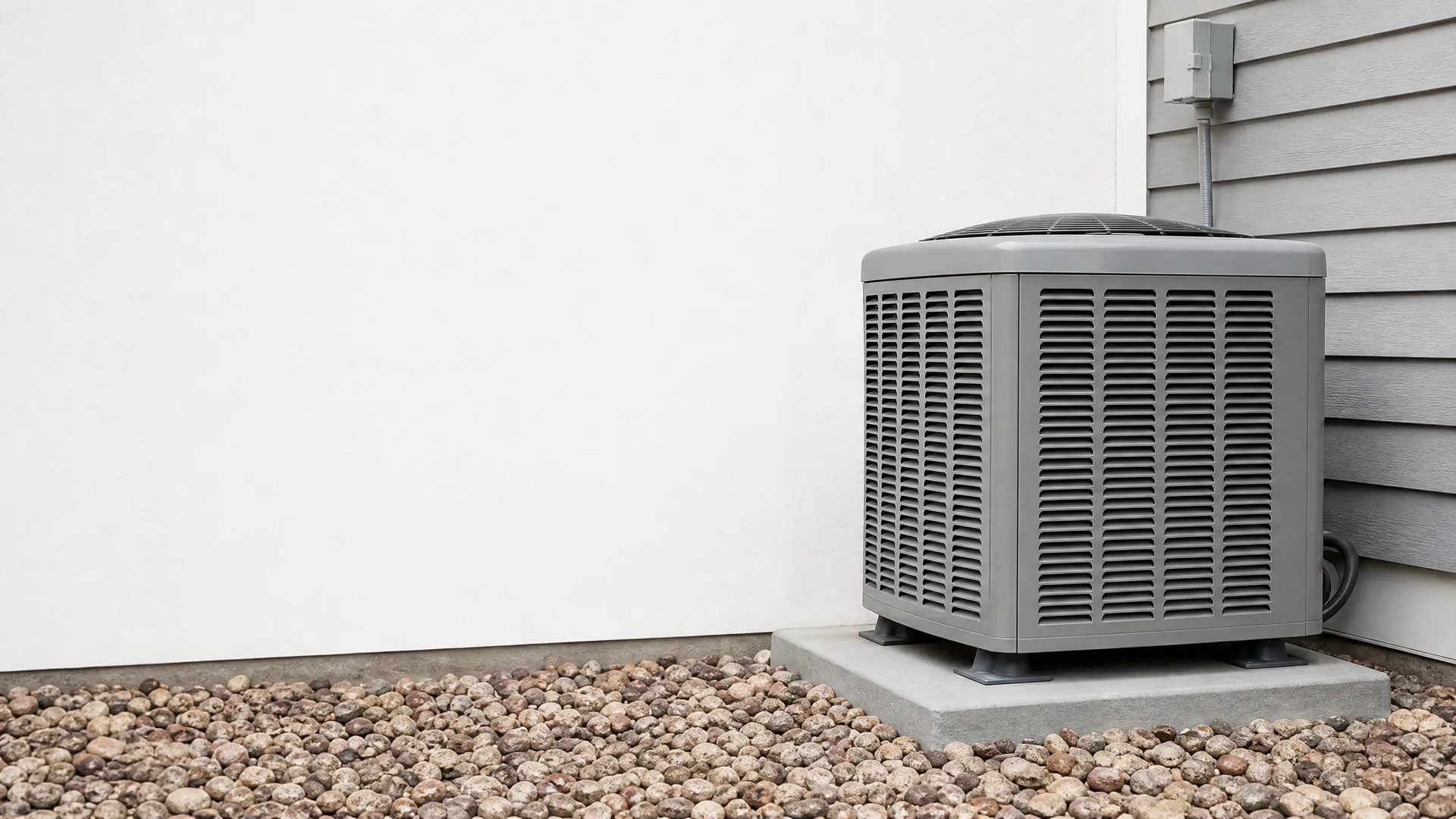
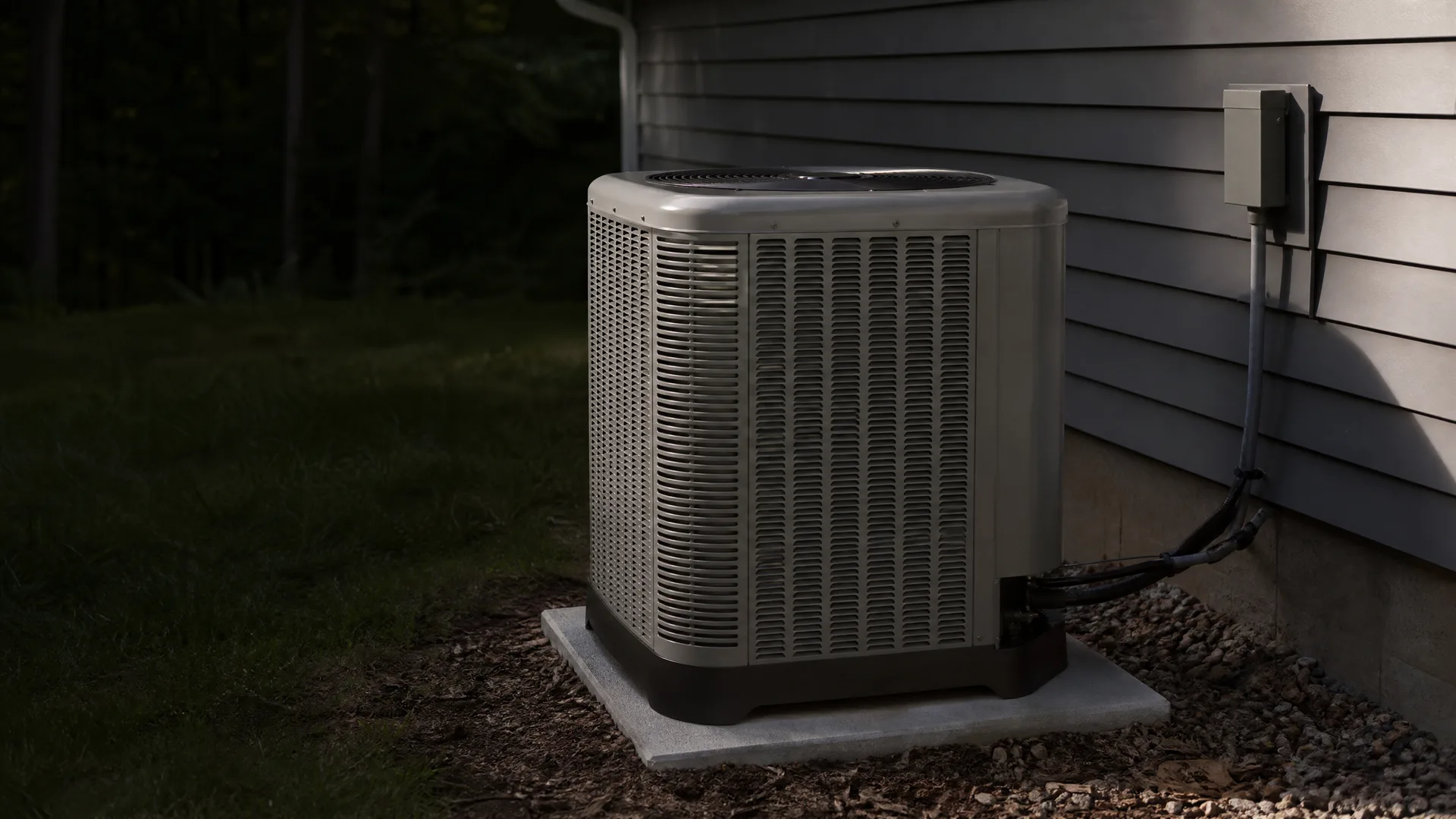
You're out watering the tomatoes around seven, the light going gold over the fence line, and the condenser by the back wall is quiet in a way it shouldn't be. No hum, no air moving off it. You walk over and the fan blades sit still while the unit ticks like it's trying. Inside, the house has that flat, warm feel it had at noon, maybe worse. Your phone says it's still 84. You crouch down and feel no air pulling through the grille at all. The dog comes over to see what you're looking at. Somewhere a neighbor's sprinkler kicks on, and the fan still isn't turning.
Power costs 13.17 cents per kilowatt-hour statewide
At 13.17 cents a kilowatt-hour, running a struggling air conditioner through a long hot afternoon doesn't hit your bill the way it would somewhere with pricier power. That's little comfort if the house still isn't cooling down by evening. The fix is getting the unit working right, not just letting it run longer.
EIA-861 2025 statewide residential average
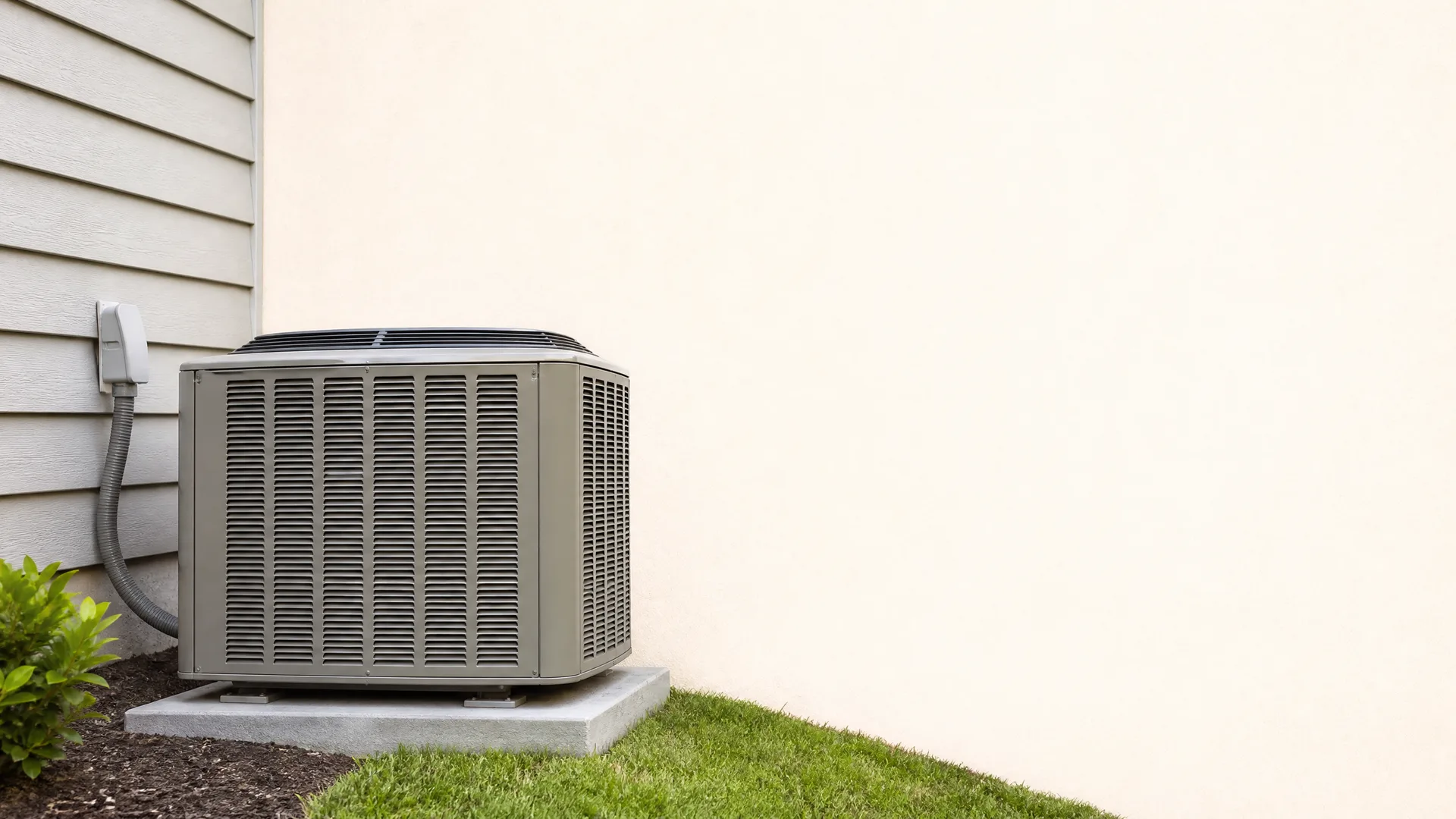
A system that keeps up
The thermostat says 74 and the air coming out of the vents is actually cold. You can hold your hand under a supply vent and feel it working. The house cools at a steady pace through the afternoon instead of losing ground, and by the time you're inside for the evening it's already caught up. The unit cycles off sometimes, which means it's ahead of the heat, not just keeping pace with it.
A system that's behind
The air out of the vents is cool but not cold, and the unit never really shuts off, it just runs and runs. You check the thermostat at noon and it's two degrees above the setting, and it's still two degrees above the setting at six. Upstairs rooms feel worse than downstairs. A contractor can check the charge and the airflow and tell you whether it's something fixable or whether the unit was undersized from the start.

Your AC isn't broken for no reason
A system that can't keep up on a hot day has a cause. Low refrigerant, a blocked coil, a fan that's not turning, or a unit that was never matched to this kind of heat in the first place. Washington's summers don't ask much of an air conditioner most days, which is exactly why a system can fall behind once the temperature climbs and nobody notices until the house is warm at nine at night.
Finding which one it is means someone opening the unit up and looking. Once you send the request, that search is off your plate. A contractor who handles this work in your area gets matched to your situation and reaches out to you directly, so you're not the one calling around trying to find someone free this week.

A local pro for your air conditioner repair