

Why your AC unit is buzzing in Washington

One request and the search for a pro is handled.

Let a pro reach out

A buzzing sound from your AC unit usually means something electrical is struggling to do its job. A failing capacitor is the most common cause. It's the part that gives the compressor and fan motor the jolt they need to start, and when it wears out, the motor hums or buzzes instead of spinning. Loose parts matter too. Fan blades, panels, and refrigerant lines can work loose from vibration and buzz against the cabinet or each other. Contactors, the switches that control power to the compressor, buzz when their contacts pit or burn. In Washington, summers run warm but the air is dry, so your AC isn't working against the heavy humidity load that pushes systems elsewhere. That means a buzzing noise here is less likely tied to a unit straining nonstop and more likely a specific part failing on its own. Left alone, a bad capacitor can take the compressor down with it, turning a small fix into a much bigger one.

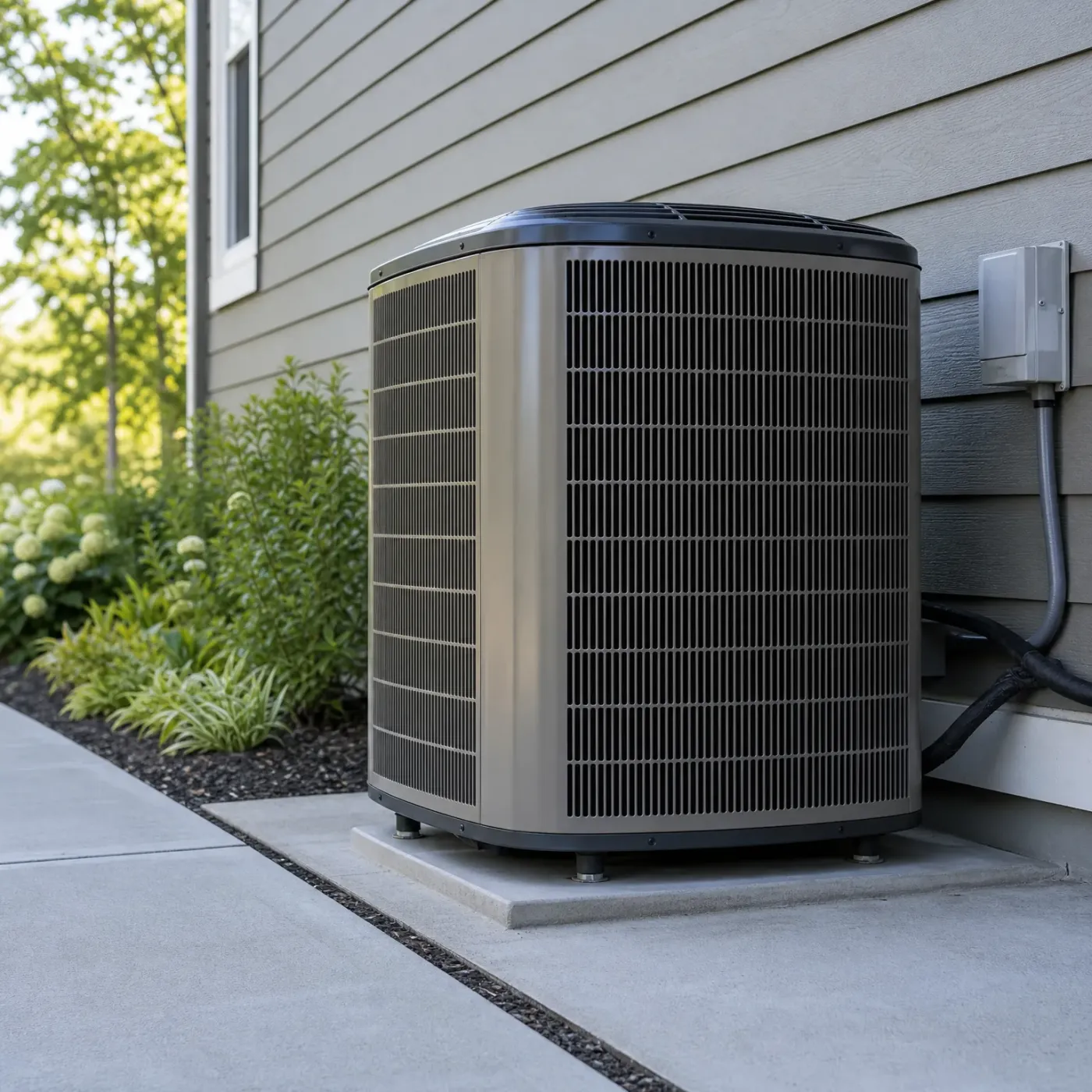
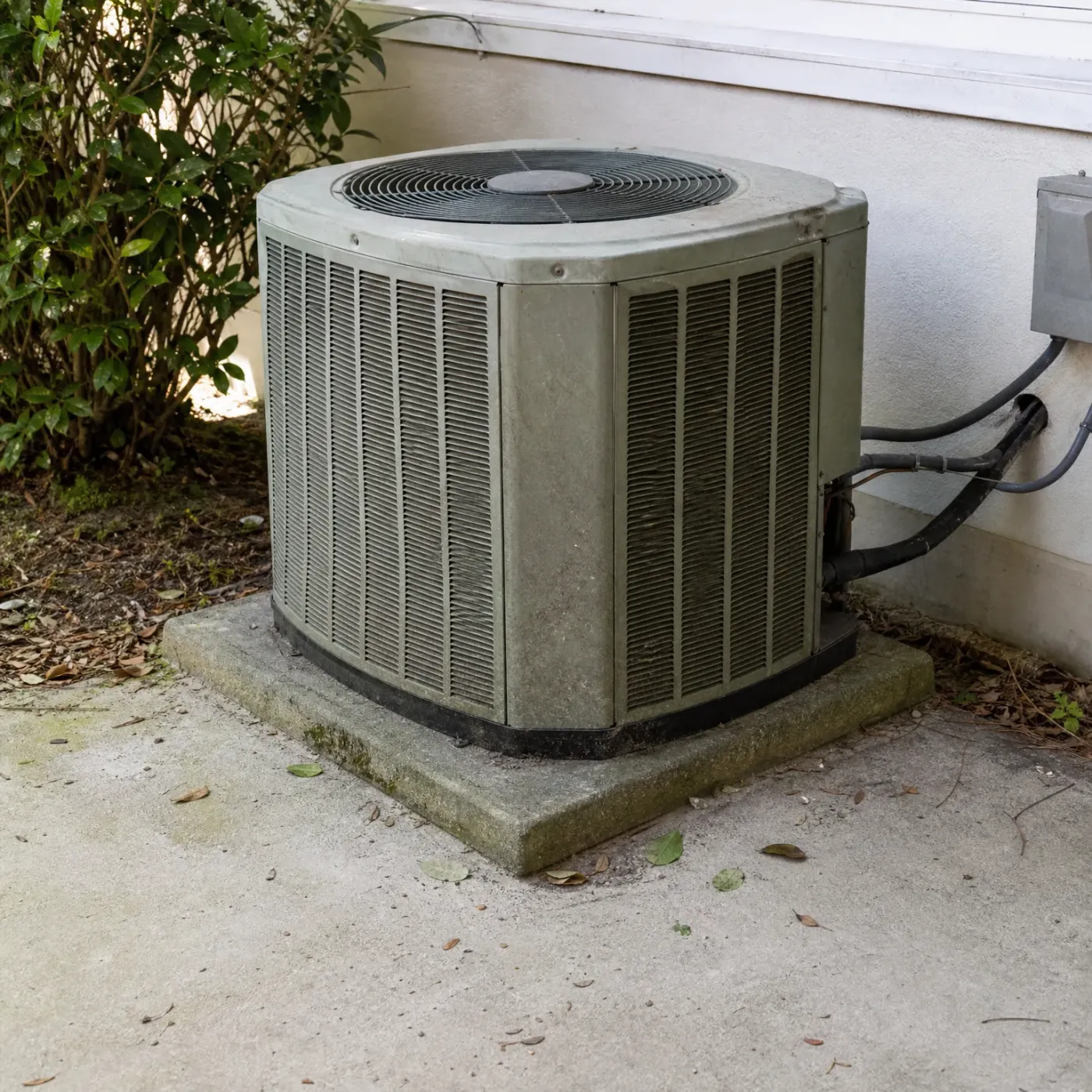
An outdoor air conditioner condenser unit on a concrete pad beside a house wall, with a gray electrical disconnect box and conduit above it and grass in the foreground.

What the capacitor actually does

The capacitor stores a charge and releases it in one burst to get the compressor and fan motor spinning. A motor that's already running takes very little power to keep going, but starting it from a dead stop takes a jolt. When the capacitor weakens, that jolt gets weaker too, and the motor hums and strains against its own windings instead of turning over clean.

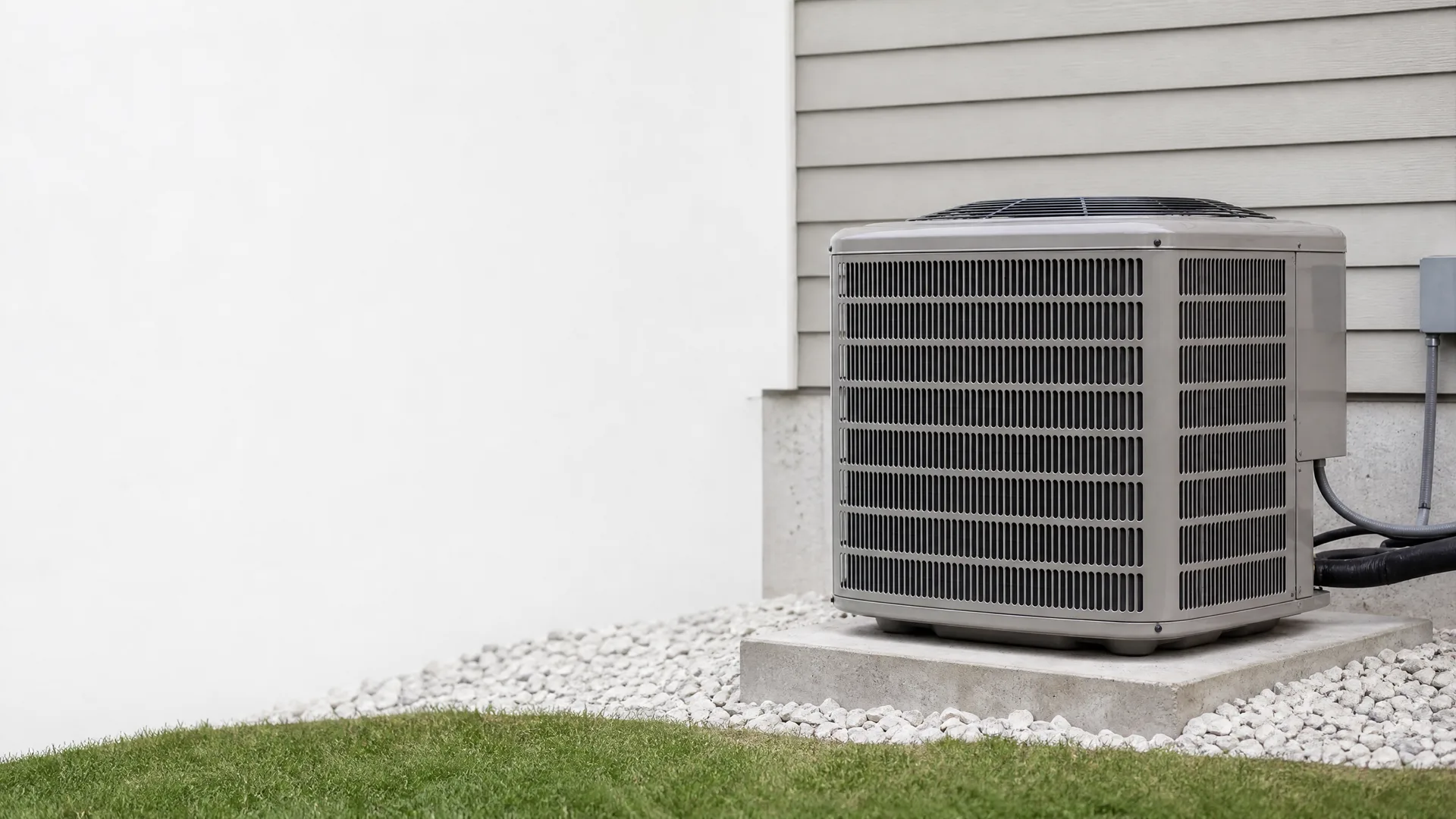
A gray outdoor air conditioner condenser unit on a concrete pad beside a house with horizontal lap siding, surrounded by white gravel and a lawn, with a white wall at left.

Loose parts add their own noise

A buzz can also come from something simpler: a fan blade knocking against its housing, or a panel on the outdoor unit that's worked itself loose. Washington doesn't get the heavy heat that pushes a system to its limit the way other states do, so a unit running steady with a new rattle is usually telling you a part shifted, not that it's overworked.

Fix It Now or Risk It Failing

Buzzing now, still running

  • The unit cools fine and the buzz is steady, not getting louder by the day.
  • A contractor can often swap the capacitor or tighten a loose part in one visit.
  • Catching it now means the compressor never has to fight through weak starts.
  • Power here is cheap, but a struggling motor still pulls more than it should.
  • A same-day fix now usually costs less than letting the part fail completely.

Buzzing and getting worse

  • The buzz has turned into a hum, a click, or the unit cycling off on its own.
  • A capacitor that's failed completely can take the compressor down with it.
  • Warm Washington afternoons mean a dead AC leaves the house with no relief until it's fixed.
  • Once the compressor is damaged, the repair is bigger than swapping one part.
  • Waiting usually turns a quick fix into a longer one, and a costlier one.
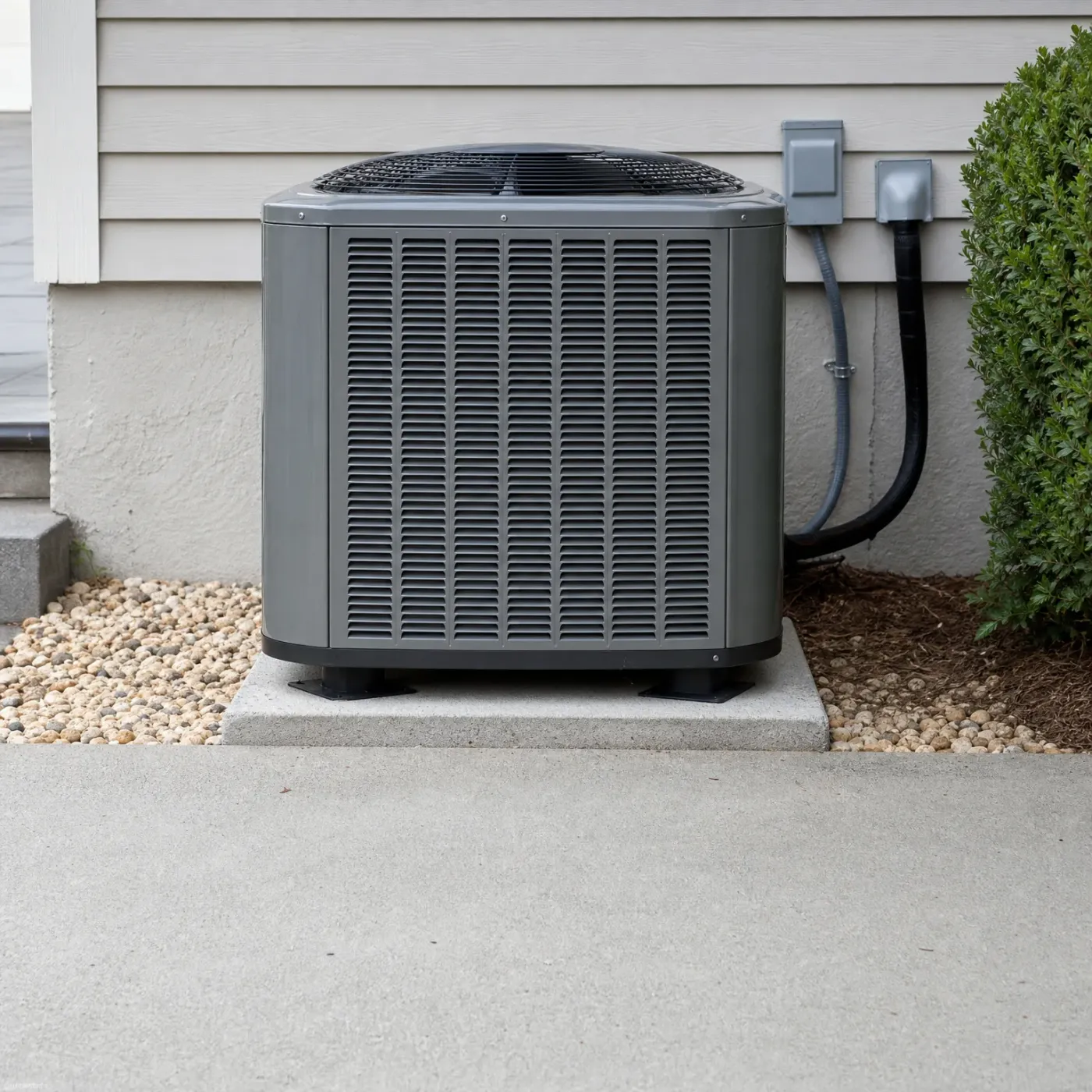
A gray outdoor air conditioner condenser unit on a concrete pad beside a house with horizontal siding and a stucco foundation, with a disconnect box and conduit on the wall, decorative gravel, mulch, and a shrub nearby.

Running quiet

A healthy unit hums at a steady pitch while it cools. The coil grilles stay clear, air moves through the fins without resistance, and the compressor and fan motor get the full jolt they need from the capacitor to start and keep turning.
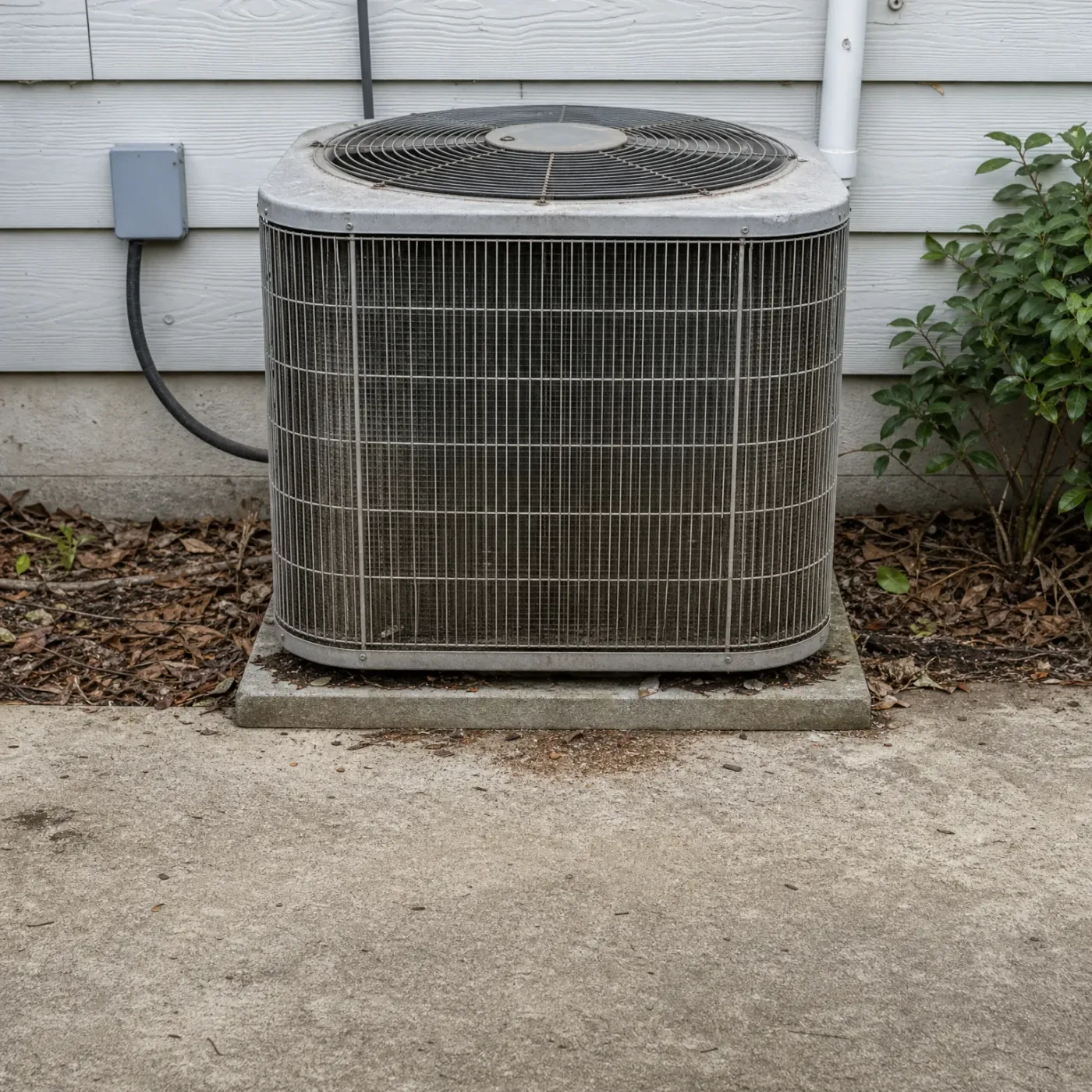

An outdoor air conditioning condenser unit on a concrete pad beside a house with horizontal lap siding, with an electrical disconnect box and conduit on the wall, mulch and a green shrub to the right, and a concrete walkway in the foreground.

Buzzing under strain

Dirt packed into the coil grilles makes the unit work harder to push air through, and a weak capacitor can't deliver the steady charge the motor needs. The buzz you hear is that strain, not just noise, and it points straight at the disconnect box and the parts behind it.

A smiling man in a gray long-sleeved shirt stands in a kitchen looking to the side, with open shelves of dishes, a white mug on the counter, a potted plant, and a view through a doorway into a living room.
A smiling bearded man in a green sweater sits at a white marble kitchen island with a mug, potted plant and bowl of fruit, in a bright white interior with open shelving and an arched doorway.
A smiling man with dark curly hair and a beard, wearing a dark green knit sweater, stands at a white marble kitchen counter with a dark blue mug, with open shelving, pendant lights and a houseplant behind him.
A smiling man in a green ribbed sweater stands behind a wooden table holding a ceramic mug of coffee in a kitchen with white subway tile, shelves of potted plants, and a bowl of fruit.
An outdoor air conditioning condenser unit on a concrete pad beside a house with horizontal lap siding, with a gray electrical disconnect box and conduit on the wall and green shrubs and trees to the left.

Finding a pro stops being your job

Explain the job once and skip repeating it on every call.

Send it once and finding someone is no longer on you.

I'm done searching

No charge to send it. You decide if you hire them.

Is the buzzing getting louder or changing when the AC kicks on

Listen for when it happens. A buzz right as the unit starts, then quiets down, points to the capacitor struggling through that first jolt. A buzz that stays steady the whole time it runs is worth a call too, but it's not screaming at you to act today. What matters is whether it's changing. A buzz that's louder this week than last week means the part is wearing down a little more each time the unit cycles on. Left alone, a capacitor that's failing can eventually keep the compressor from starting at all, and on a warm Washington afternoon that means no cold air until someone gets out to look at it.

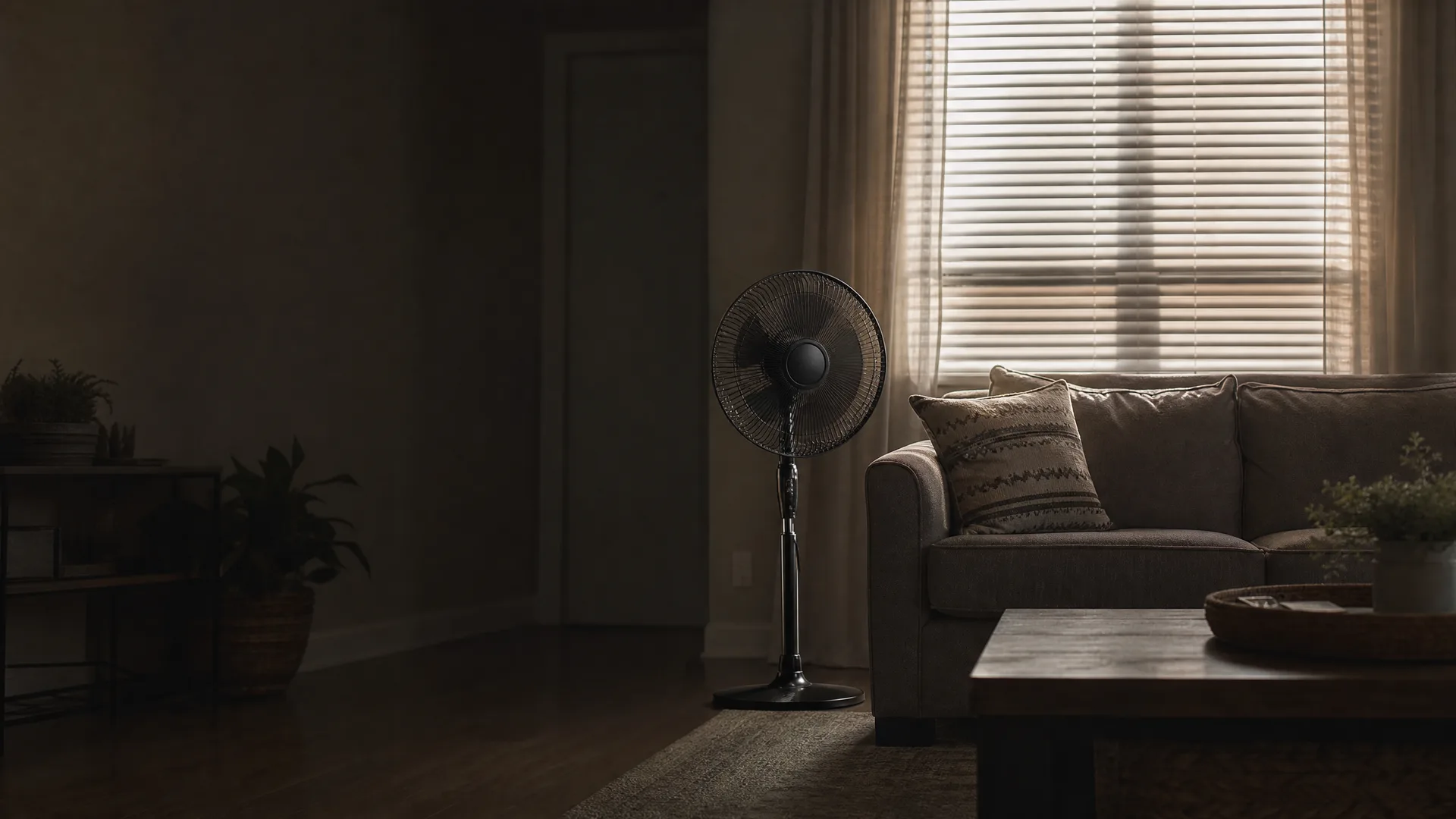
A dimly lit living room with a black pedestal fan on a wood floor beside a gray sofa with a patterned pillow, a wooden coffee table in the foreground, potted plants at left, and a curtained window with blinds behind.

It's a little past two and the blinds are drawn against the sun. The fan by the couch is doing most of the work this afternoon. Then you hear it under the fan noise, a buzz from outside where the unit sits, steady, not loud enough to pull you off the couch. You turn the fan up a notch and keep half an ear on it anyway. The air coming through the vents still feels cool. You tell yourself you'll look at it later, maybe after it cools off outside, and go back to the book in your lap.

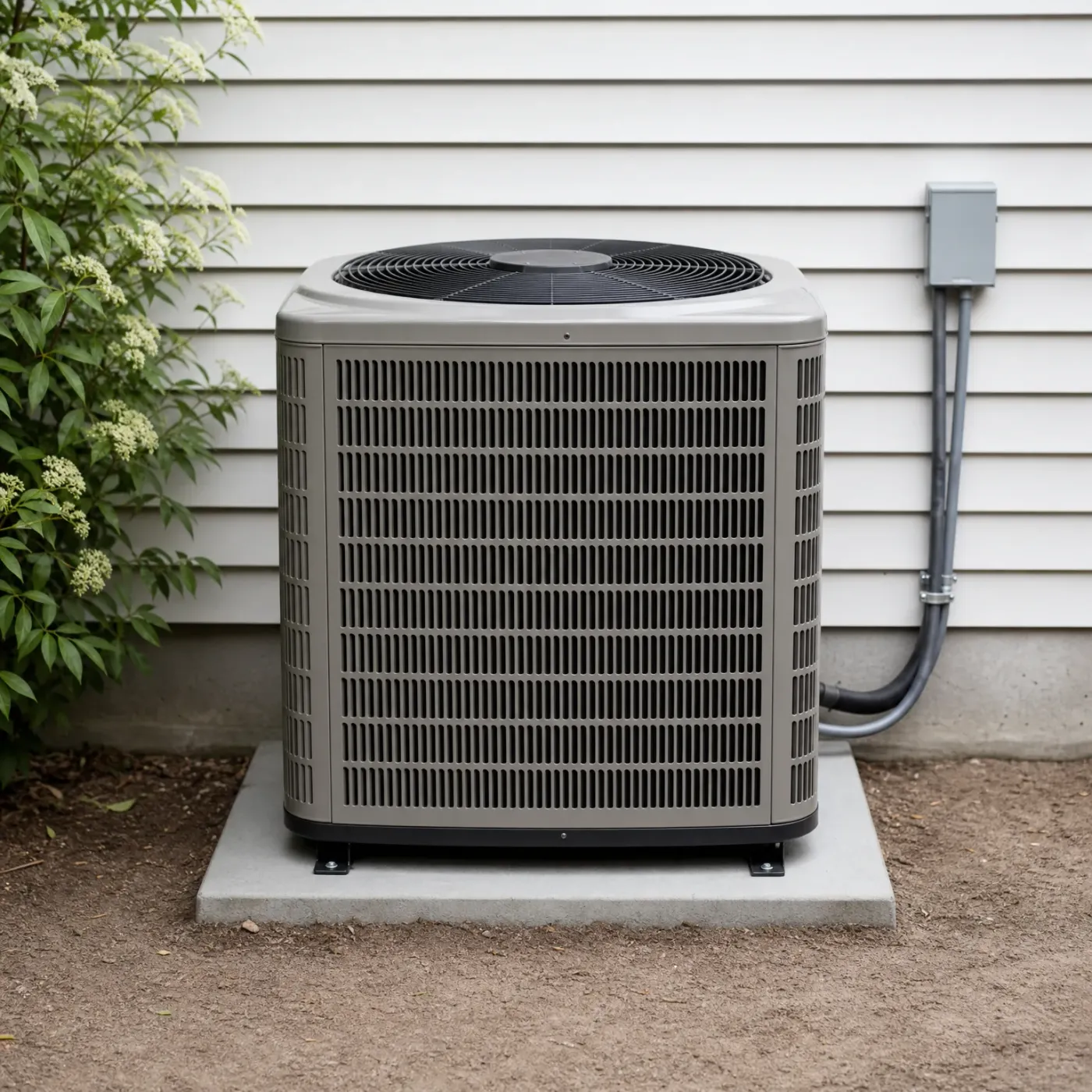
A gray outdoor air conditioner condenser unit on a concrete pad beside a house with horizontal lap siding, with a flowering shrub at left and a disconnect box with conduit on the wall at right.
A unit like this one runs clean: no debris at the base, lines wrapped, nothing pulling loose against the siding.
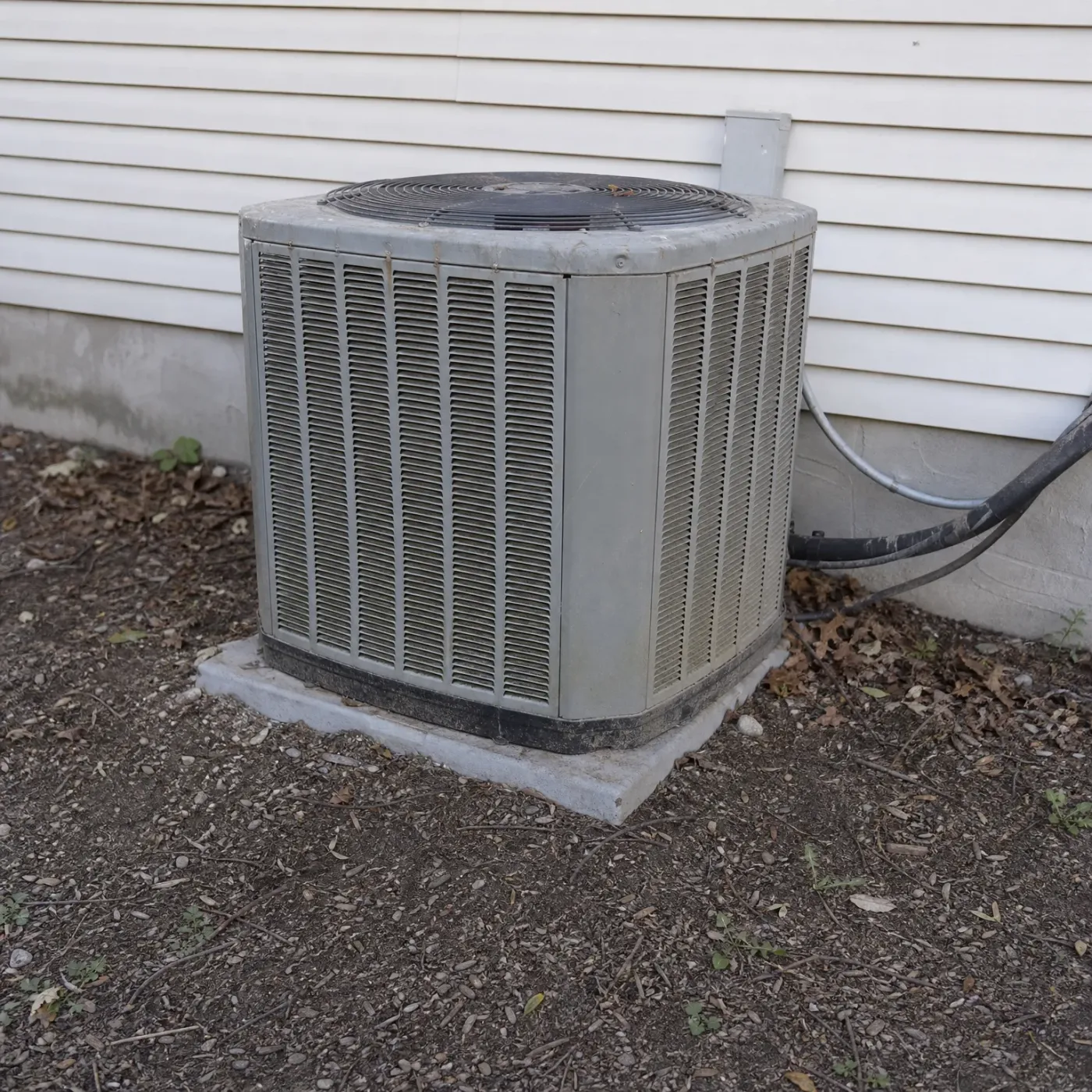
An outdoor air conditioner condenser unit on a concrete pad beside a house with light horizontal vinyl siding, surrounded by bare dirt, gravel and dry leaves, with refrigerant lines and conduit running along the wall.
Dirt and dead leaves piled against the cabinet, lines exposed to the weather: this is what gets left until something fails.
  1. Power cuts to the unit before any panel comes off.

  2. The outer cabinet comes off to expose the capacitor and wiring.

  3. A meter checks the capacitor's charge against its rated microfarads.

  4. A weak or swollen capacitor gets pulled and replaced.

An outdoor air conditioner condenser unit sits on a concrete pad beside a stucco wall, with refrigerant lines and conduit running to the wall and a shrub to the left.
Before you get your air conditioner repair
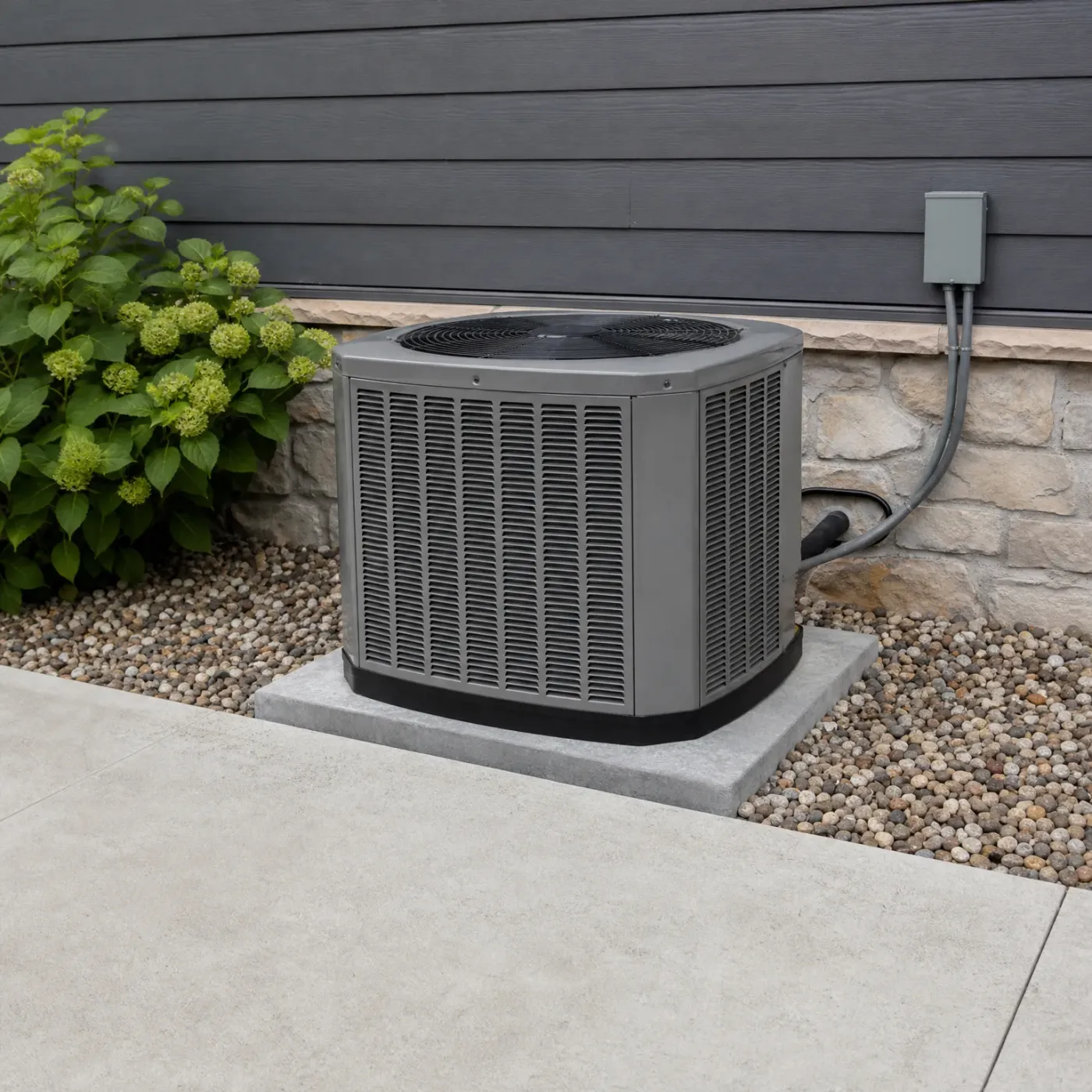
A gray outdoor air conditioner condenser unit on a concrete pad beside a house with dark horizontal siding and a stone base, surrounded by gravel, with a flowering shrub at left and a concrete walkway in front.
After you get your air conditioner repair

You wait and see if the buzz gets worse before calling anyone.

You find out now what the buzz is, while it's still a capacitor swap and not a new compressor.

Power costs 13.17 cents per kilowatt-hour statewide

At 13.17 cents a kilowatt-hour, running your AC flat out all summer while a weak capacitor forces the compressor to strain costs more than the part itself would. A quick swap keeps that draw where it should be.

EIA-861 2025 statewide residential average

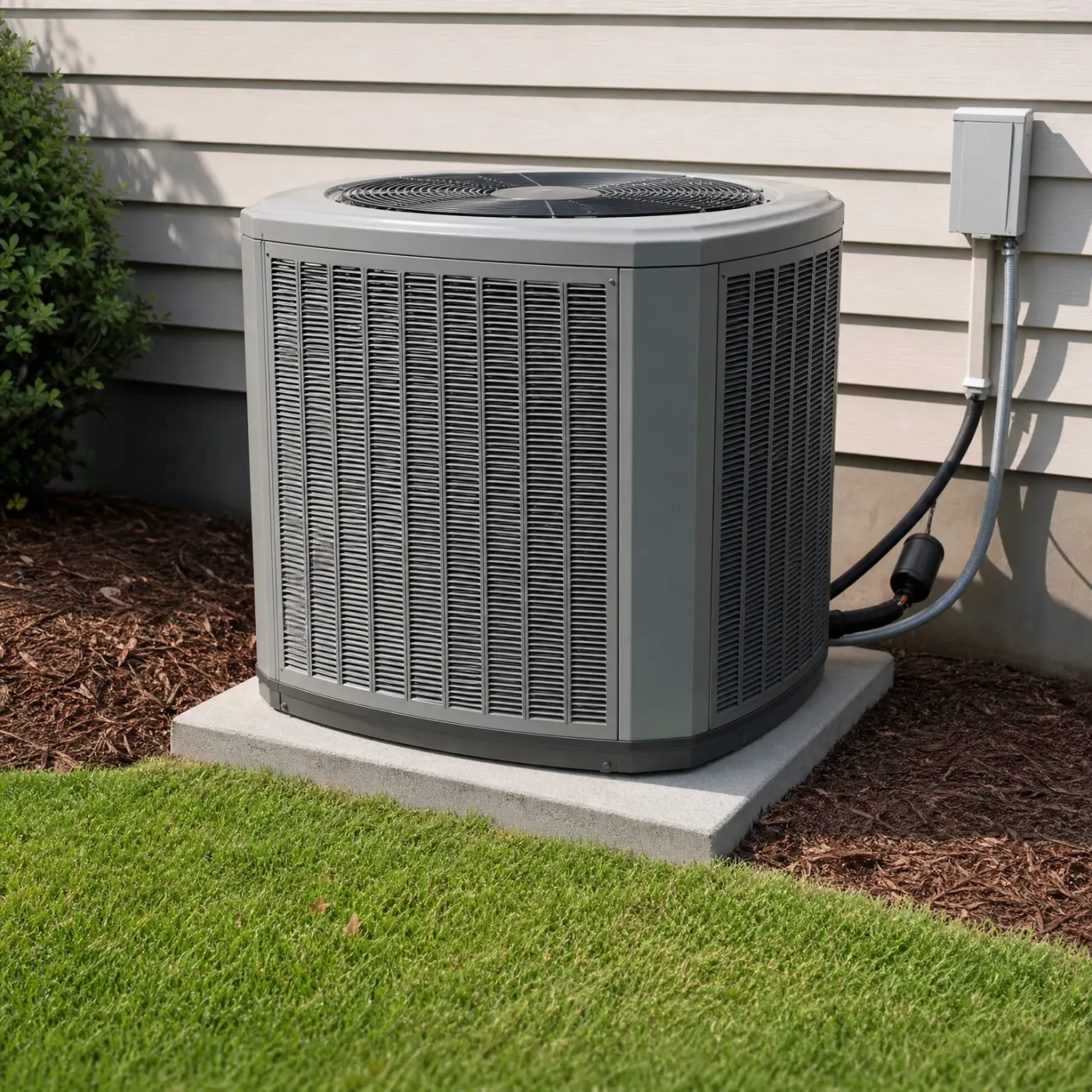
A gray outdoor air conditioner condenser unit on a concrete pad beside a house with horizontal lap siding, with a wall-mounted disconnect box and conduit, mulch bed, shrub, and lawn nearby.

Unit running normal

This is what it should sound like: a steady hum from the condenser, nothing underneath it. The lines are wrapped, the disconnect box is secure, and the fan turns without strain. Whatever you hear next to it, this is the baseline you're checking against.

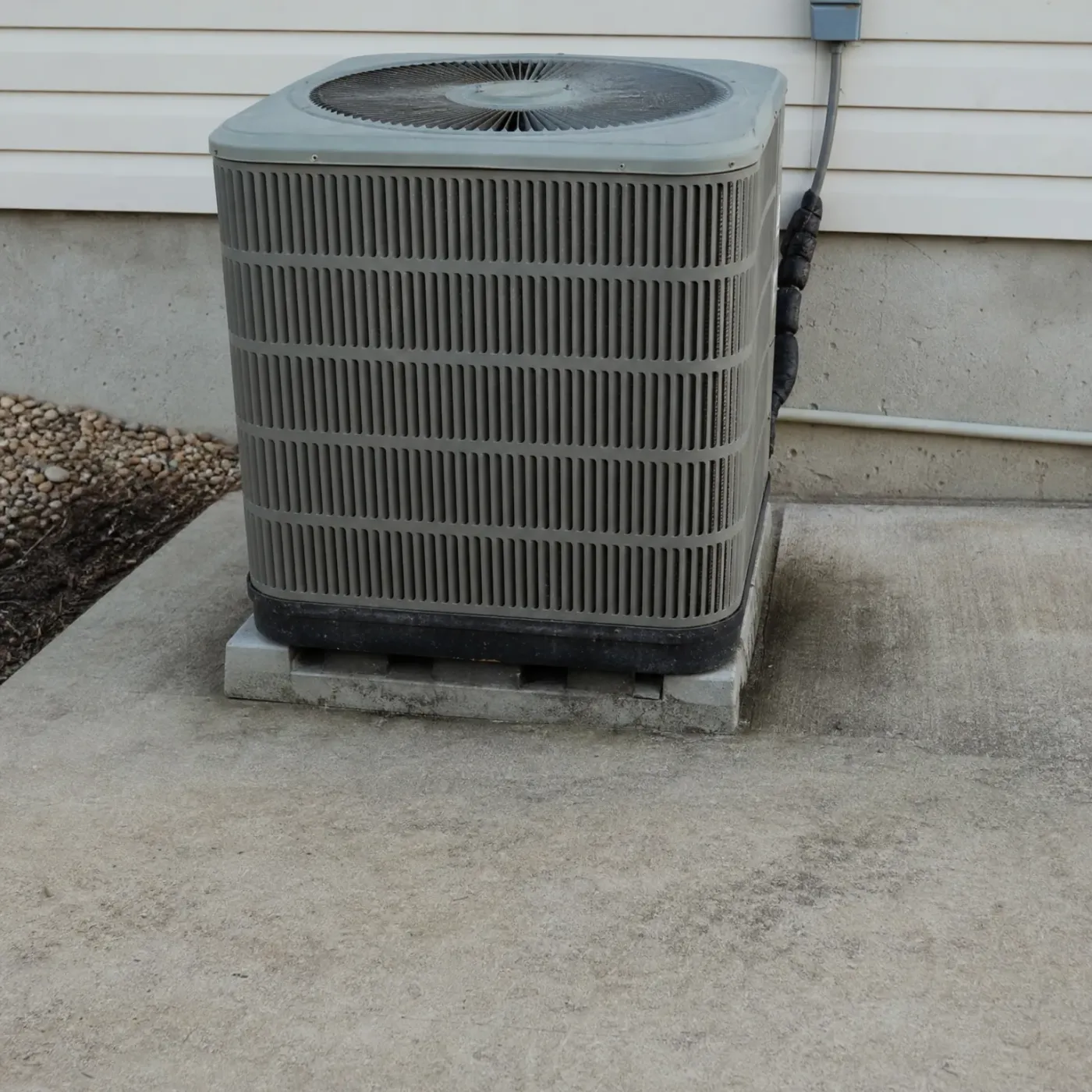
An outdoor air conditioner condenser unit sits on a gray pad beside a light vinyl-sided wall, on a concrete slab next to a gravel bed.

Unit in trouble

Same kind of condenser, same setup against the house, but something inside is working harder than it should. A buzz that wasn't there before usually means a part is wearing out, not that the unit is about to quit outright. Left alone, it doesn't fix itself.

A closed laptop and a cream mug of coffee on a coaster sit on a dark wooden table, with a potted plant at left and a kitchen counter, tiled backsplash and shelf of ceramics in the background.

A buzz is still something you can act on

The buzz means a part is working harder than it should, most likely the capacitor. Caught now, it's a short visit and a small part. Left alone, it's a compressor that has to be replaced instead of started.

You don't have to spend your afternoon on this. No scrolling through contractor listings, no calling three companies to ask if they even work on your unit, no repeating the same description of the buzz to each one, no sitting with quotes trying to guess which number is fair. Send the form once and that search is done. Someone else takes it from here.

Interior corner of a room with a window and sheer curtain at left, a gray upholstered sofa with a cushion at right, and a round wooden table holding stacked books and a round vase with an olive branch.
A smiling man with dark curly hair in a navy t-shirt sits on a gray couch indoors, with a large-leafed plant and a window in the background.
A bearded man in a plaid flannel shirt stands in a kitchen looking out a window toward snow-covered shrubs, with a steaming mug on the windowsill and potted plants on a shelf behind him.

Air Conditioner Repair

Let someone else find the pro

Skip searching for an air conditioner pro and answer a few questions instead.

A black-framed smartphone standing upright against a plain white background, its screen filled with solid green.
Step 1 of 3: Equipment