




Profile view of a bearded man wearing a dark green baseball cap and a dark gray T-shirt against a plain light background.

Why your upstairs stays hot in Washington summers

Step 1 of 3: Equipment

Why is my upstairs so hot even with the AC running?

You keep the thermostat set where you want it, but the upstairs rooms still feel ten degrees warmer by evening. You've checked the vents, maybe closed some downstairs to push more air up, and it still doesn't cool off the way the rest of the house does. It's not just in your head, and it's not always something broken.

Heat rises, and your system may not be sized or balanced to push enough cold air up there

Warm air collects upstairs because heat rises and your attic sits right above it, holding onto heat long after the sun goes down. If your ductwork wasn't balanced for the upper floor, the air handler may be sending most of its output downstairs, where the thermostat happens to sit. A single thermostat reading one spot of the house can't account for the difference. This is common in homes with electric heat pumps or central air where the ducts run long distances to reach the second floor. Sometimes it's a simple fix, like adjusting dampers. Sometimes it points to a system that's struggling, low on refrigerant or with a blower that can't move enough air to reach the far end of the ductwork.

A woman in a cream sweater with her hair in a bun laughs while seated at a stone counter holding a glass of red wine, in a dimly lit interior with a sofa, houseplants and a large window at night.
A woman with long dark hair in a cream knit sweater laughs while looking off to the side, seated in front of a dimly lit kitchen with an island, stools, open shelving and a potted plant, with a glass of red wine in the foreground.
A smiling woman with long dark wavy hair in a light knit sweater sits at a marble counter with a glass of red wine, with a dimly lit living room and kitchen in the background.
A smiling woman with long wavy brown hair in a beige sweater sits at a white marble counter with a glass of red wine, with a living room, dining table and kitchen cabinets behind her.

One System or Fix the Ducts

One AC, Two Zones

  • A single thermostat downstairs reads the cooler air near it and shuts the system off before the upstairs catches up.
  • Warm air rises into the upper floor all day, so those rooms keep gaining heat even after the system satisfies downstairs.
  • The ducts feeding the upstairs may be sized for a smaller load than what the afternoon sun actually puts on that floor.
  • Return air grilles are often missing or undersized upstairs, so the system pulls most of its air from the main floor instead.
  • A licensed contractor can check static pressure and airflow at the upstairs registers to see if the system is actually delivering what that floor needs.

Ductwork and Dampers

  • A duct system with manual or motorized dampers can send more conditioned air upstairs during the hottest part of the day.
  • A zoning system lets the upstairs run on its own thermostat, so it keeps cooling after the downstairs unit cycles off.
  • Adding or enlarging a return duct upstairs gives the system a better path to pull warm air back instead of leaving it trapped.
  • A contractor local to Washington who services these systems through the warm months knows which duct fixes actually hold up once the afternoon sun hits.
  • Sealing leaky supply runs in the attic keeps the cool air that was meant for the upstairs from escaping before it reaches the vent.
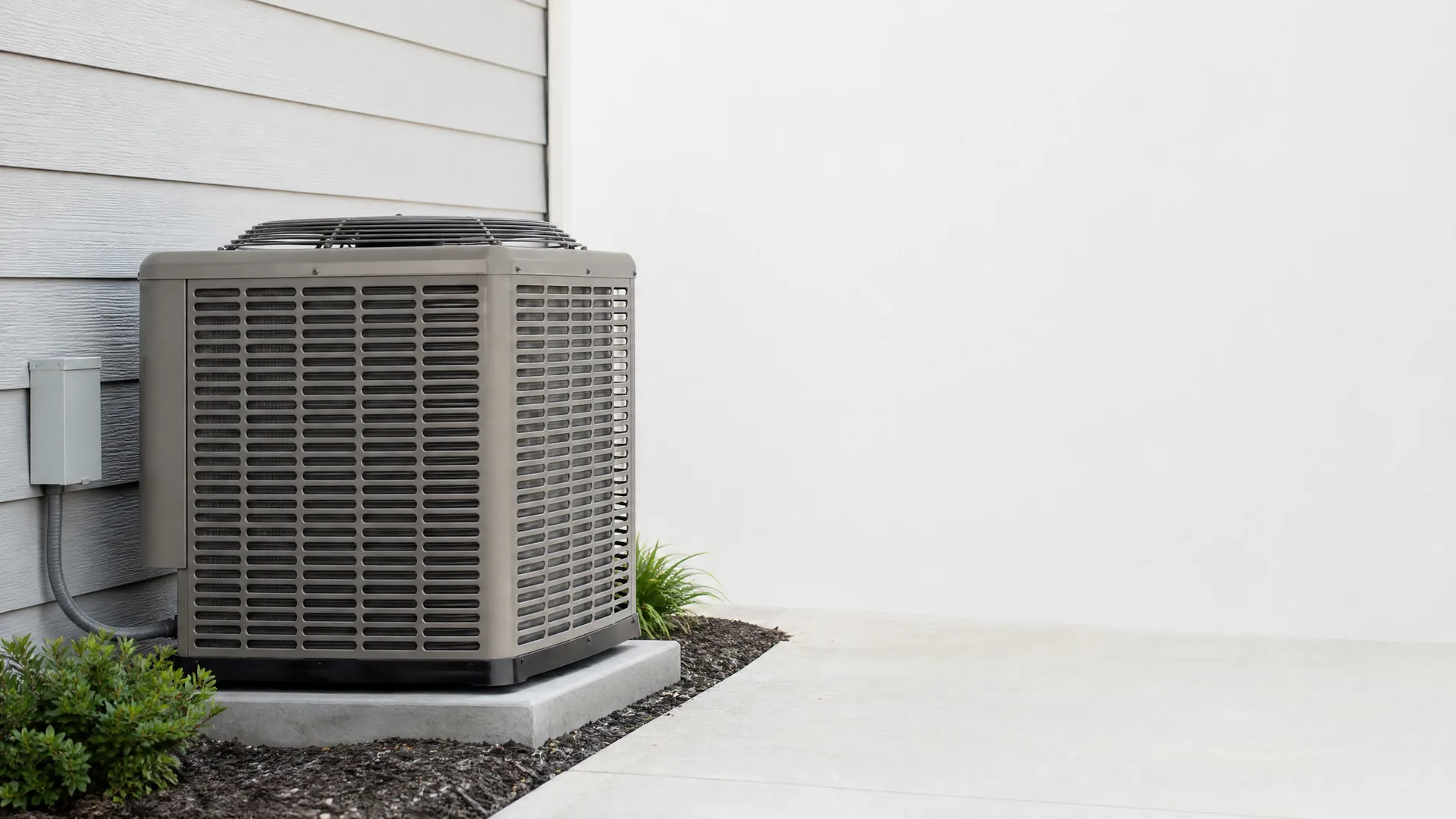
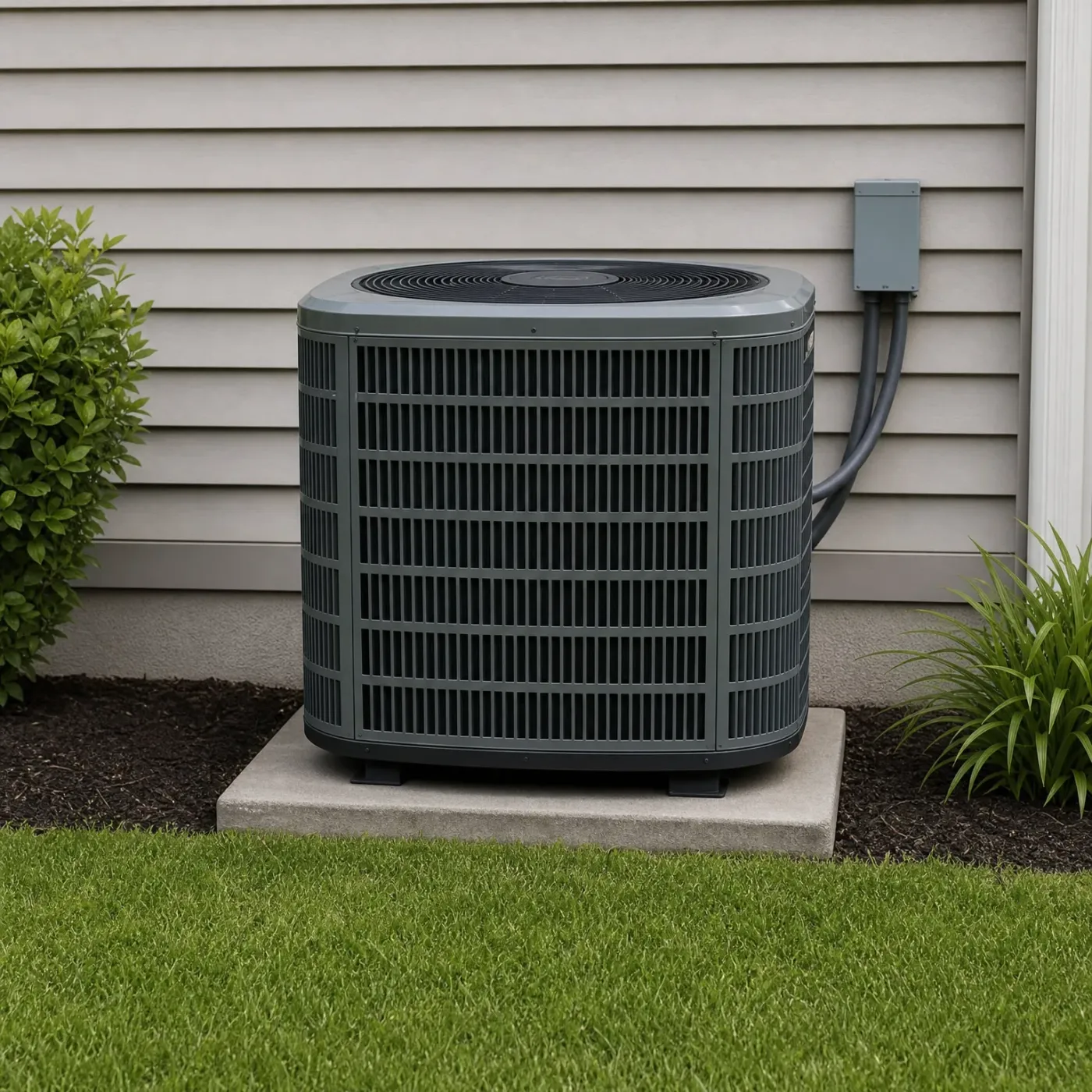
An outdoor air conditioner condenser unit on a concrete pad beside a house with light horizontal siding, with a small electrical disconnect box on the wall, mulch and shrubs at left, and a plain white wall and concrete slab at right.

Why the Duct Run Matters

The ducts feeding your upstairs rooms run through the attic, and attic air sits far hotter than the rest of the house all afternoon. Even with insulation wrapped around them, those ducts pick up heat before the air ever reaches the vent. If the system is sized or balanced for the downstairs, the upstairs gets less airflow to begin with, and what little it gets has already warmed up on the way.

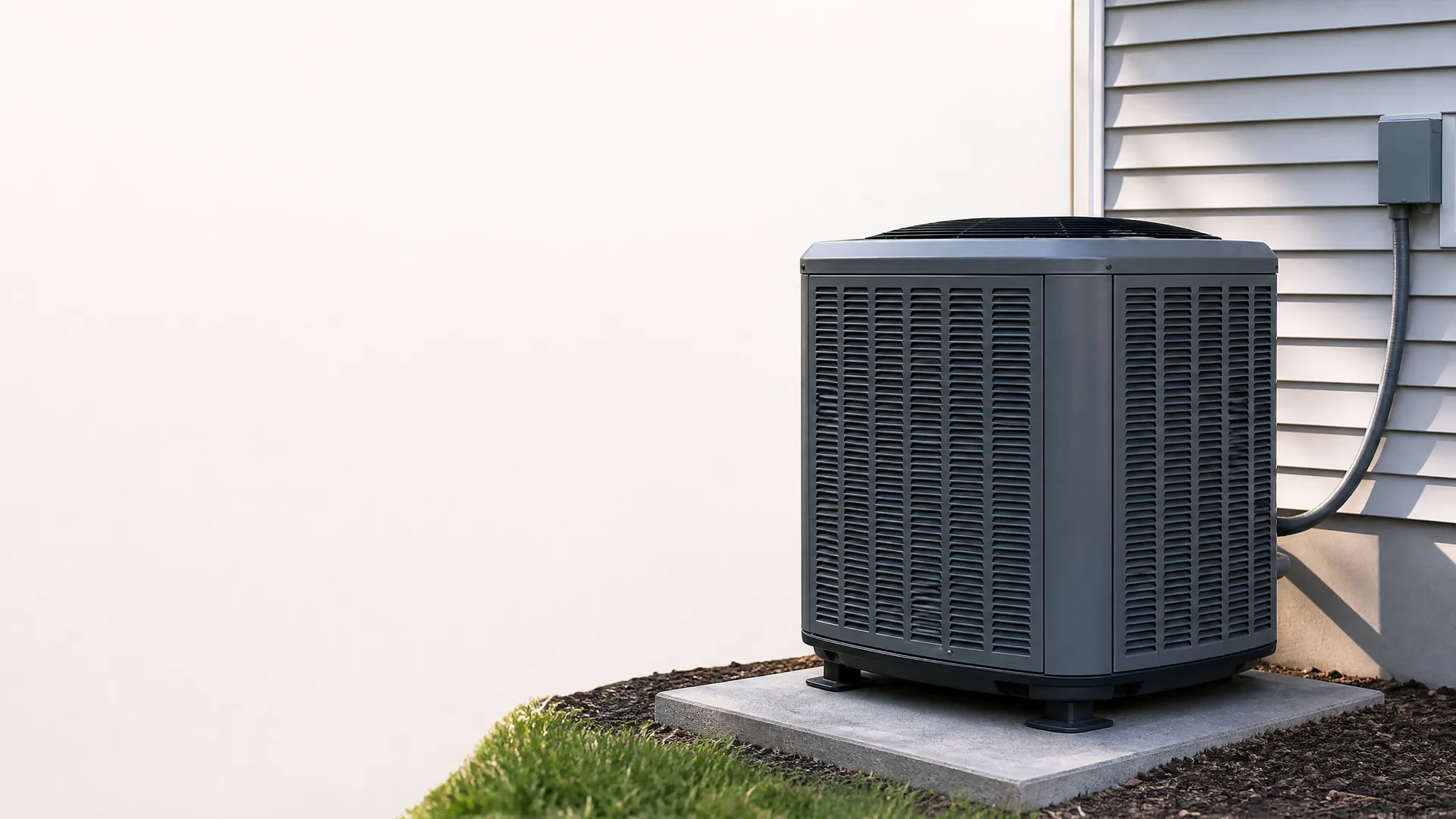
A dark gray outdoor air conditioner condenser unit on a concrete pad beside a house with horizontal siding and a plain light wall, with mulch and grass in the foreground and a conduit and electrical box on the wall.

A Single Blower Can't Split Itself

One blower pushes air through the whole house at one speed and one volume. It can't send more air up and less down depending on which floor needs it. A contractor who works on these systems every summer can check the dampers in your ductwork and adjust how much air each floor actually gets, instead of leaving the split to whatever the original installer set years ago.

Is this just making your evenings worse

You notice it most after dinner, when you finally get upstairs and the air feels thick instead of cool. The bedroom holds the heat from the whole day, so it takes hours to drop even after the system has been running the whole time. You might hear the unit cycling on and off more than it used to, or notice it running later into the evening than it should. Left alone, the system keeps working harder to chase a temperature it can't reach upstairs, which shortens its life and shows up on your power bill even with Washington's low electric rates.

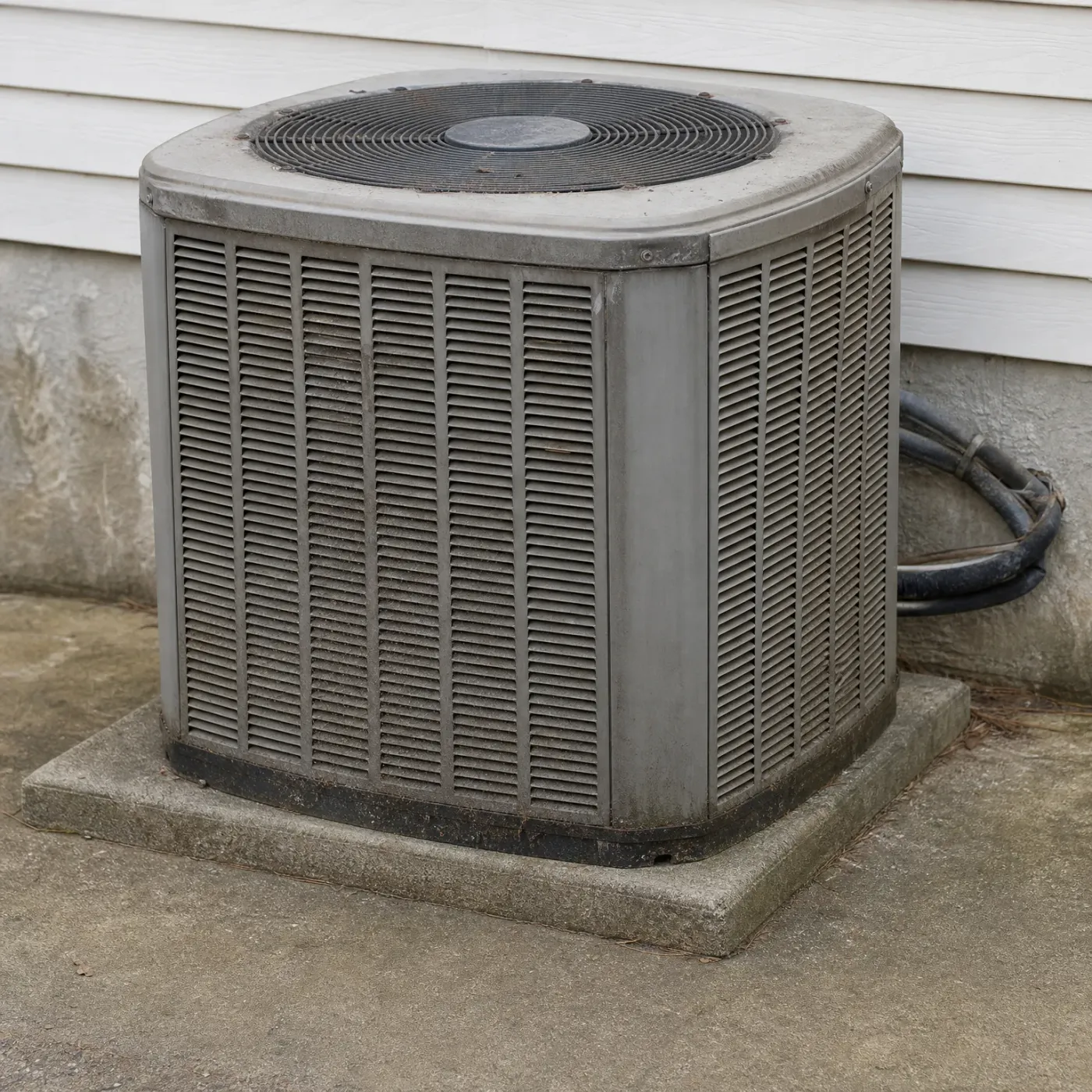
An outdoor air conditioner condenser unit on a concrete pad beside a house with horizontal siding and a lower concrete foundation wall, with coiled refrigerant lines at right.
Before you get your air conditioner repair
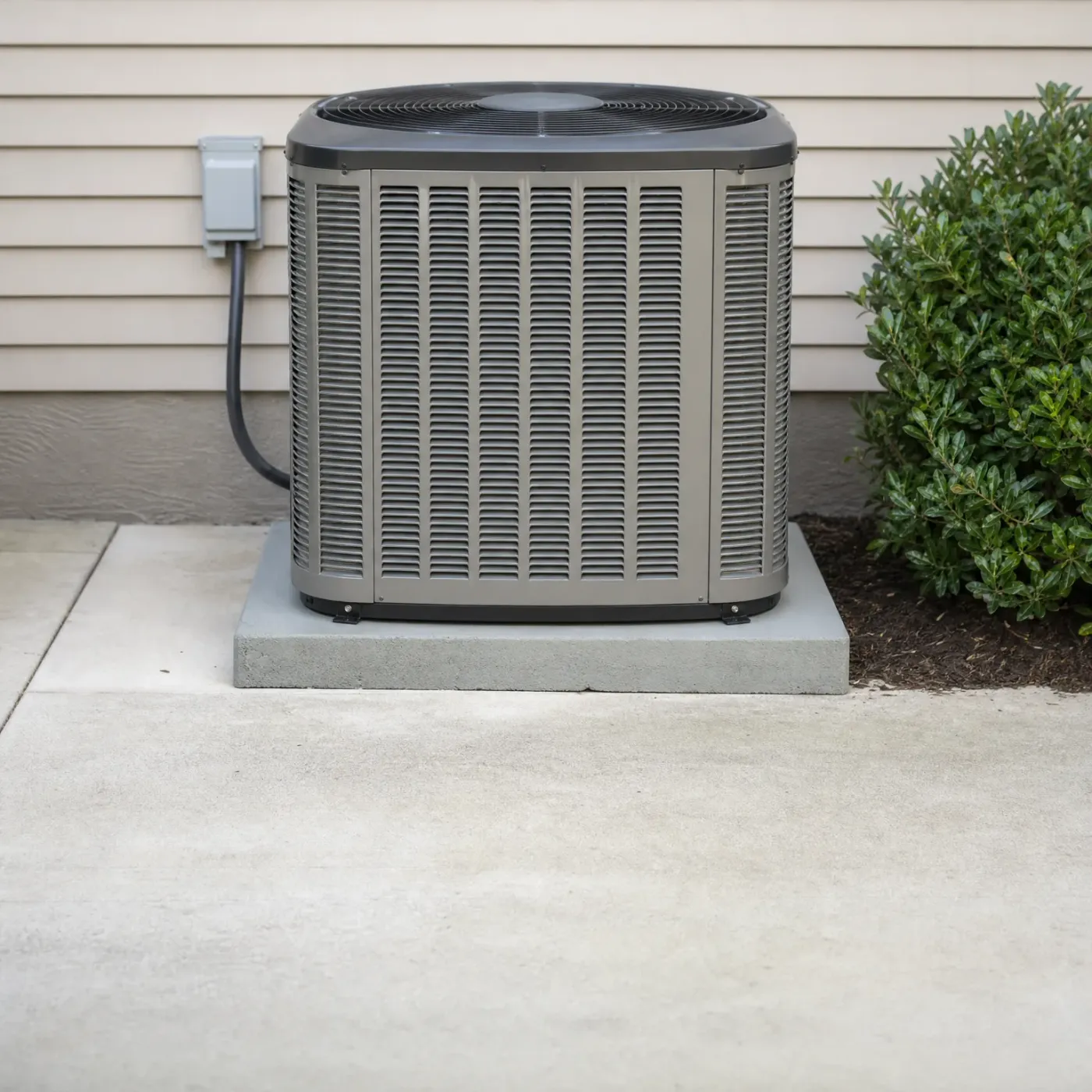
An outdoor air conditioning condenser unit on a concrete pad beside a house with horizontal lap siding, with an electrical disconnect box and conduit on the wall and a green shrub to the right.
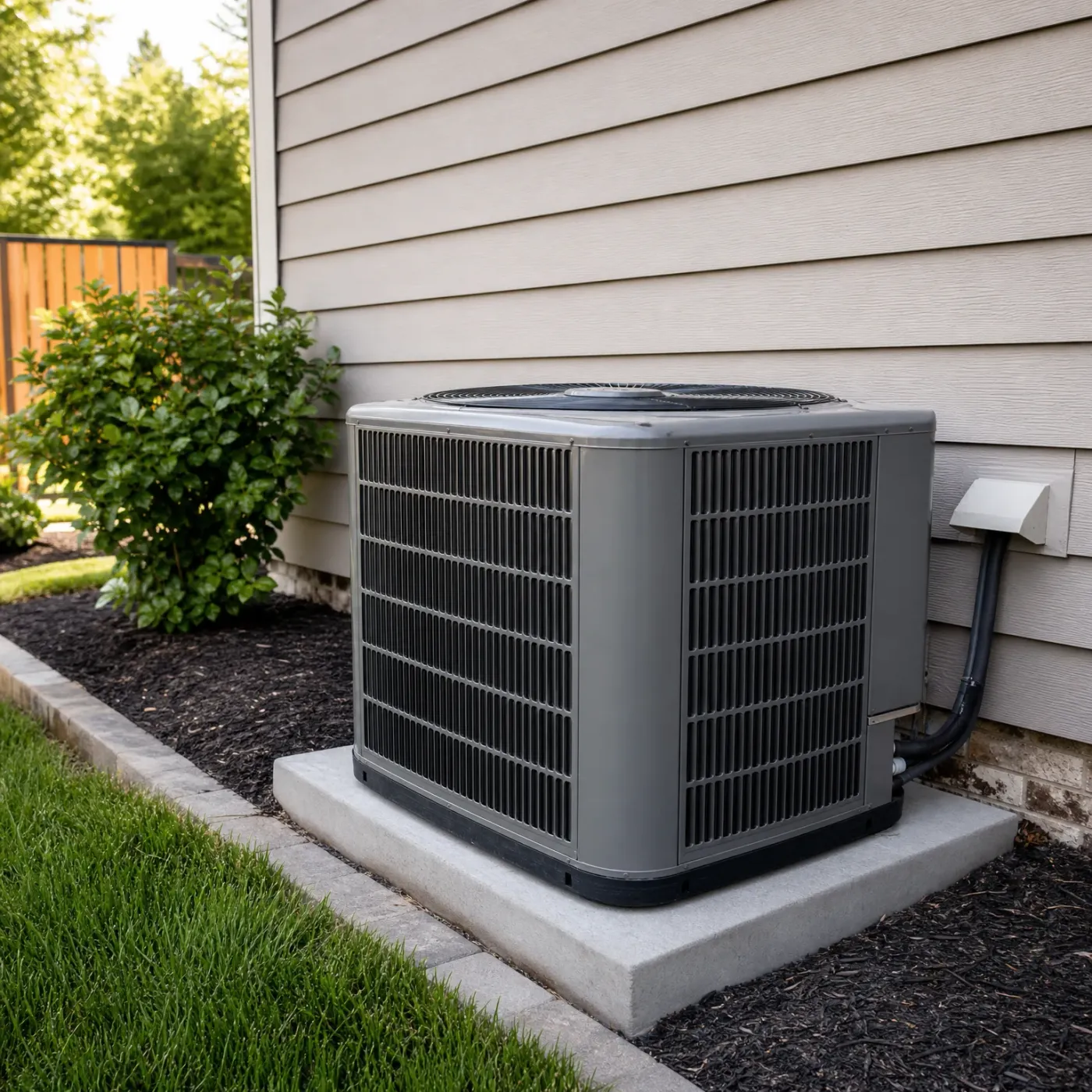
After you get your air conditioner repair
A gray outdoor air conditioning condenser unit on a concrete pad beside a house with horizontal vinyl siding, with mulch, a shrub, and lawn nearby.

No phone calls to make

Your request goes to one pro, not a list of companies.

Explain the job once and skip repeating it on every call.

Find a licensed pro

It costs nothing to send, and you don't have to hire anyone.

A closed dark laptop and a ceramic mug of coffee on a wooden dining table, with wooden chairs, a dark kitchen cabinet with cutting boards and a potted plant, and a leafy plant by a window in the background.

What's actually happening at the register

Your system is sized to cool the whole house at once, but it only knows what one thermostat tells it. That thermostat sits downstairs, and once the air around it hits the setpoint, the compressor shuts off. The blower may run a little longer, but no more cold air is being made. Upstairs, the return duct is pulling in air that's already warm, so even the air moving through those vents isn't as cold as what came out an hour ago.

A contractor who works on these systems every summer can check whether the problem is airflow, a duct that's come loose in the attic, or a system that's simply undersized for a two story layout. That's a different diagnosis each time, and not something you can sort out by calling a few companies and describing "it's hot upstairs" over the phone. One licensed local contractor can look at your actual ductwork and tell you which of those it is, instead of you collecting three different guesses from three different voices.

Interior corner with a beige sofa holding a dark green and a light cushion and a textured throw, a potted small-leaved tree beside a white-framed window, and a dark shallow bowl on a wooden coffee table in the foreground.
A gray outdoor air conditioning condenser unit on a concrete pad beside a house with horizontal lap siding, with a wall-mounted electrical disconnect box and refrigerant lines, shrubs, mulch and lawn around it.

Running the way it should

A clean condenser outside, pad clear and fins open, moves heat out of the house as fast as the compressor sends it. Airflow across the coil stays steady, so the system keeps up with the heat load upstairs instead of falling behind by afternoon.
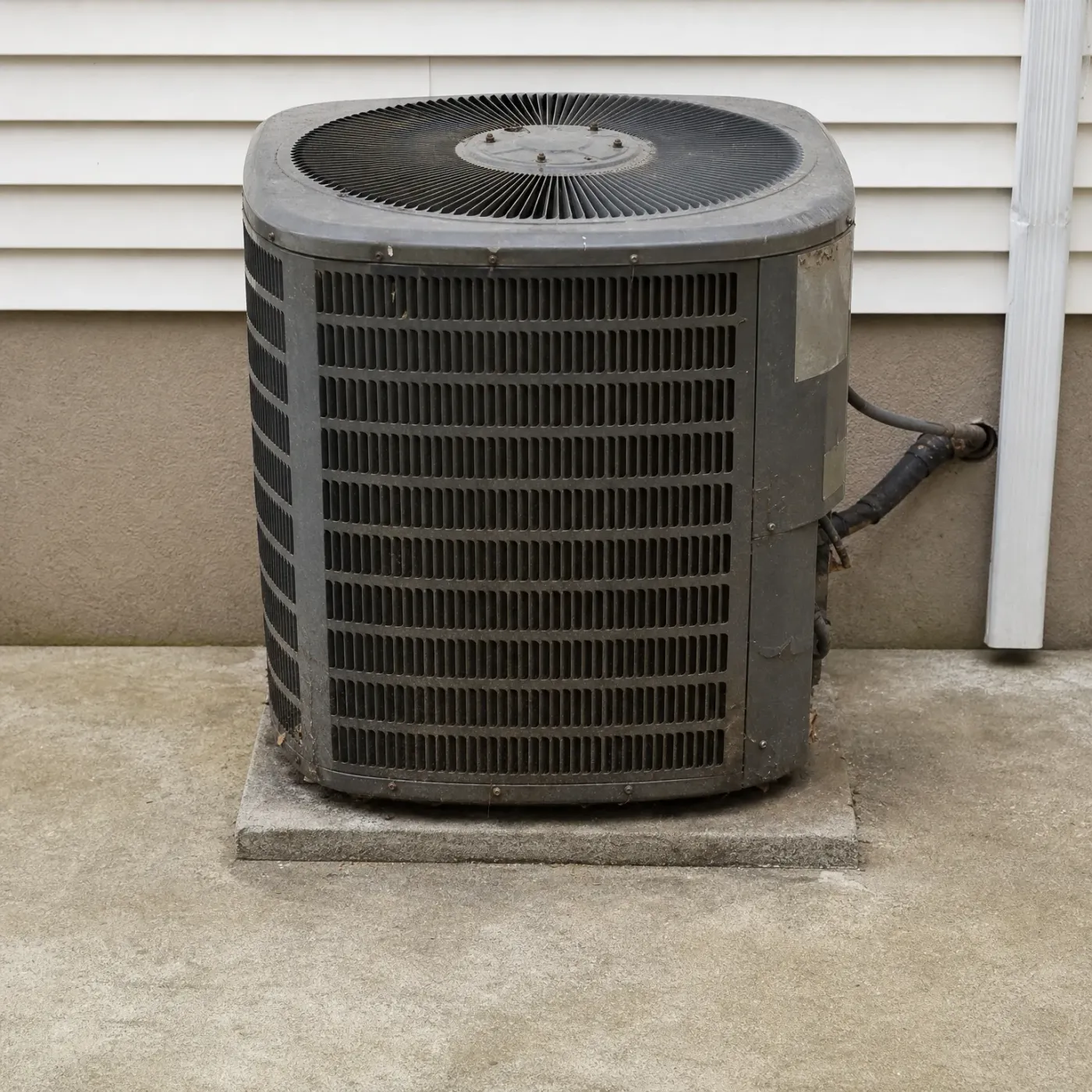

An outdoor air conditioner condenser unit on a concrete pad beside a house wall with stucco lower section, horizontal siding above, and a white downspout to the right.

Running but losing ground

Dirt packed into the fins blocks airflow across the coil, so the unit works harder to move the same heat. A system straining out here has less left to push air up to the second floor, and the gap between downstairs and upstairs grows.

A smiling bearded man in a navy crewneck sweater sits at a dinner table with a glass of red wine, plates and glasses in the foreground, in a dimly lit room with a lamp and framed picture behind him.
A woman in a dark gray sweater reclines on a light sofa with eyes closed and a slight smile, under a textured gray blanket with an open book resting on her lap, with a lit table lamp and plant in the background.

Leave it alone

The upstairs stays hot through another evening. You keep adjusting vents and the thermostat, and the system keeps shutting off before those rooms ever catch up.

Find a local pro

Get it looked at

A local contractor who works on these systems every summer checks what's actually keeping the upstairs from cooling, instead of you guessing at vents and settings on your own.

Find a local pro

Power costs 13.17 cents per kilowatt-hour statewide

At 13.17 cents a kilowatt-hour, running your AC longer to chase those upstairs rooms down doesn't wreck your bill the way it would in a lot of other states. The bigger cost is the evenings you lose waiting for the room to cool.

EIA-861 2025 statewide residential average

The thermostat downstairs is doing exactly what it was told, and that's the problem. It reads the cool air near it, shuts the compressor off, and the upstairs rooms are left to keep gaining heat through attic ducts that never had a chance to catch up. A contractor who services these systems every summer in your area has seen this exact layout before, one thermostat, one zone, a duct run through hot attic air, and knows where to look first. You don't need to call around and explain the upstairs problem to three different companies and sort through what each one tells you. One licensed local contractor takes the call, hears what's going on, and goes to the register and the attic run instead of starting from scratch. The heat upstairs isn't something you're imagining or doing wrong with the vents. It's how the system was set up to run, and it's fixable.

A covered porch with a wood front door with six upper glass panes, a lantern wall sconce, tapered column on a stone base, potted ferns and flowers, a woven doormat, and wide steps leading to a paver walkway bordered by shrubs and white hydrangeas.
A beige upholstered sofa with a cream cushion and chunky knit throw sits beside a white-framed window, with a leafy potted plant in a stone vase against a tan wall.
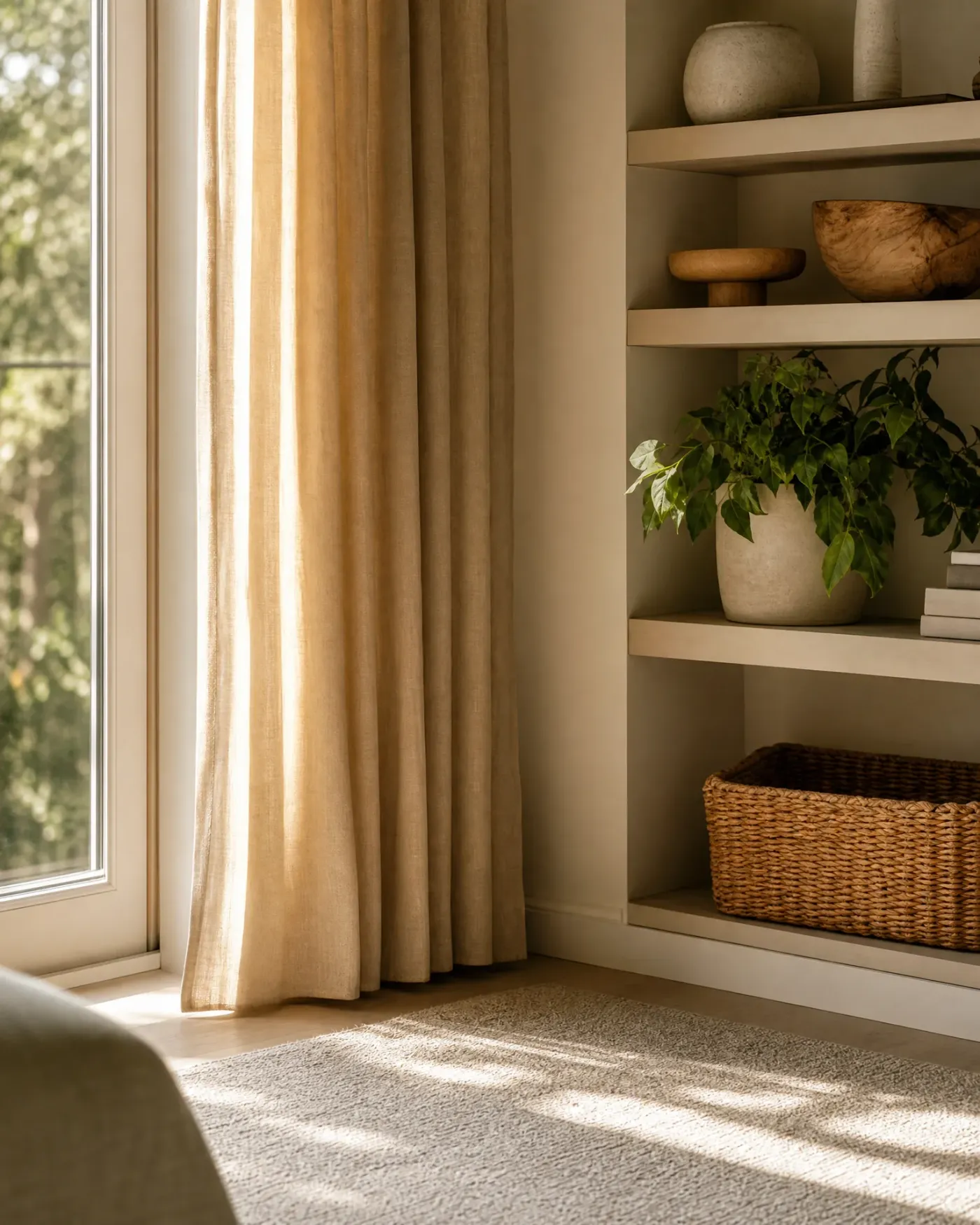
Sunlit corner of a room with a linen curtain beside a window, built-in shelves holding ceramic vases, wooden bowls, a potted green plant, stacked books and a woven basket, above a textured rug.
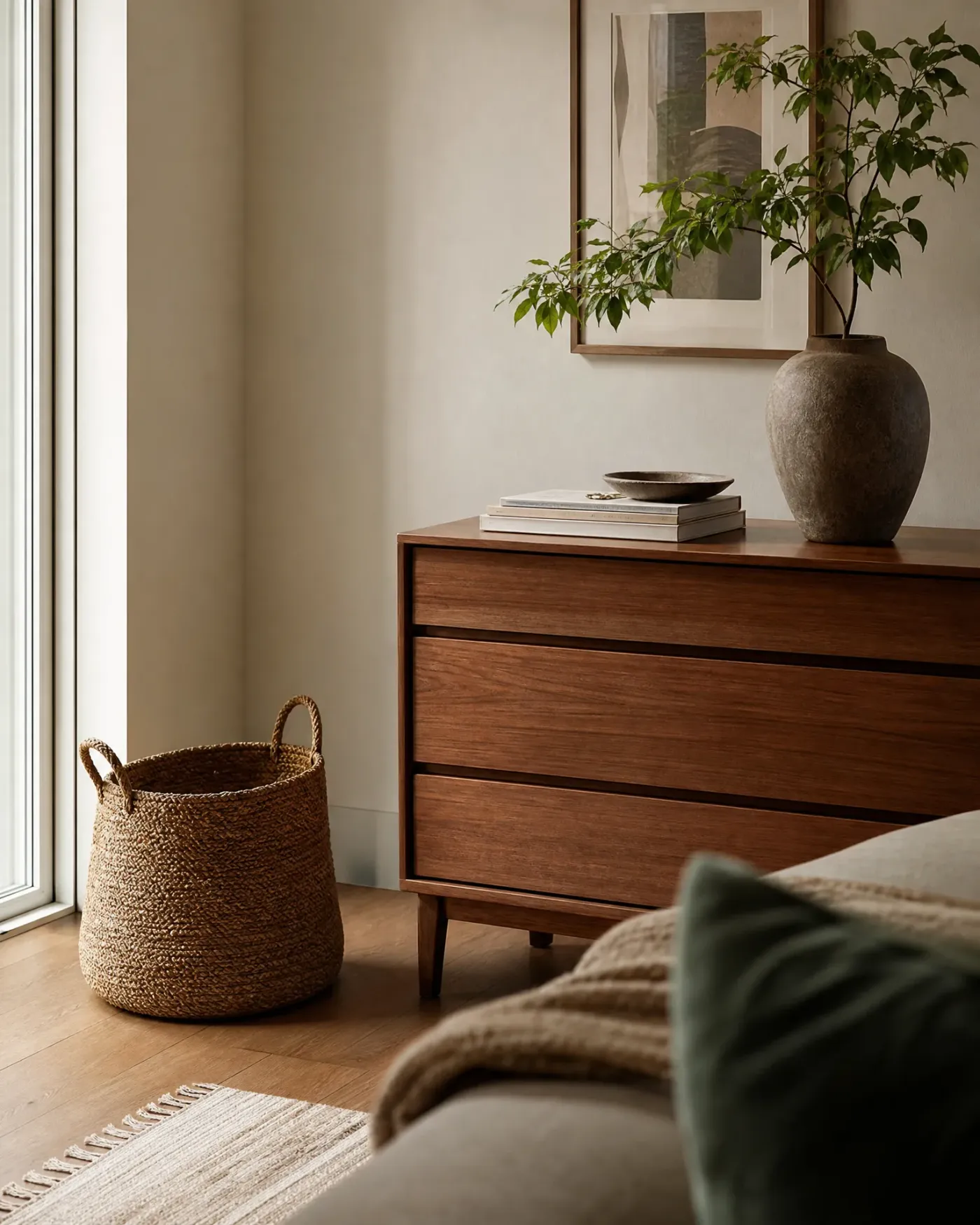
A dark wood three-drawer dresser against a pale wall holds a tall ceramic vase with leafy branches, stacked books and a shallow bowl, with a framed print above, a woven basket on the wood floor at left, and an upholstered sofa with a green pillow in the foreground.
A cream upholstered sofa with a textured ivory cushion and a rust-colored cushion sits beside a window with sheer linen curtains, with a potted leafy plant behind it and a wooden bowl on a wood table in the foreground.

Skip the search

Only one pro gets your request, so you hear from one company.

Get a licensed local pro

There's no charge for the request.